Sri Lanka Reopens Easter Sunday Probe Amid Claims Indian Intelligence Warnings Were Deliberately Ignored
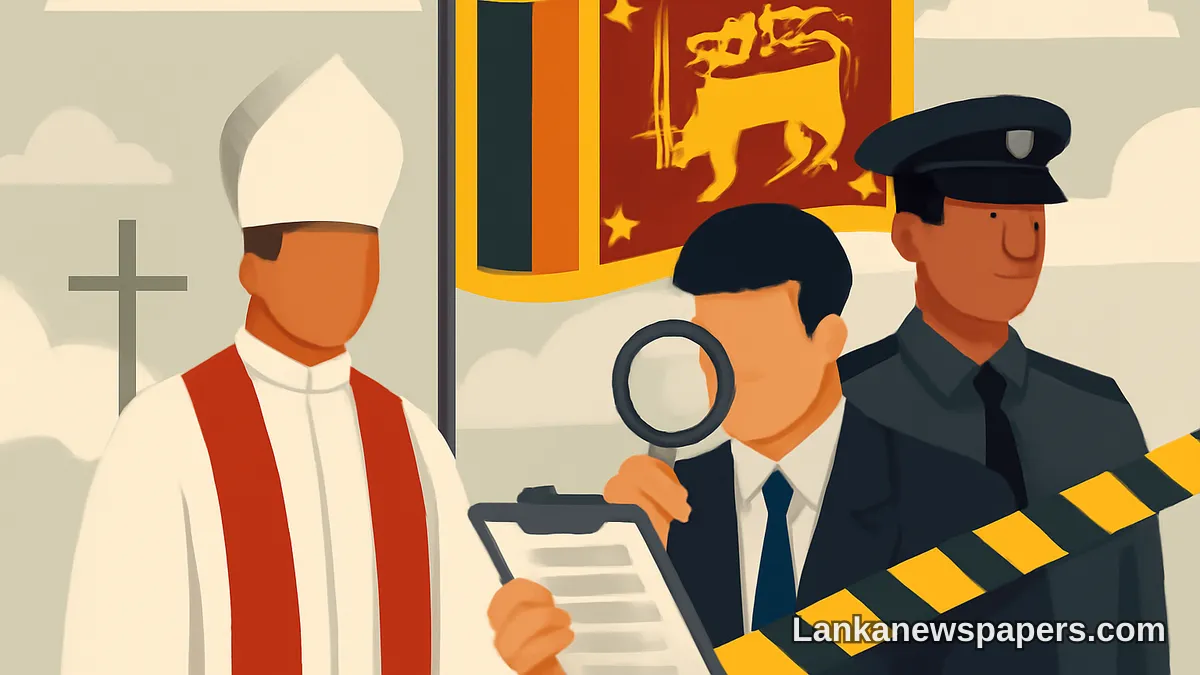
Fresh Investigation Into 2019 Terror Attacks Raises Uncomfortable Questions
Sri Lanka has launched a fresh probe into the conspiracy surrounding the devastating Easter Sunday bombings of 2019, with investigators turning their attention to a deeply troubling question: were advance warnings provided by Indian intelligence deliberately suppressed by those in power at the time?
The Attacks That Shook the Nation
On the morning of April 21, 2019, coordinated suicide bomb attacks tore through three churches and three luxury hotels across Sri Lanka, killing more than 260 people and injuring hundreds more. The attacks, carried out by local Islamist extremists linked to the National Thowheed Jamath, remain the deadliest act of terrorism in the country's post-war history.
From the outset, serious concerns were raised about whether authorities had received prior intelligence about the plot and failed to act. Indian intelligence agencies had reportedly shared specific warnings with their Sri Lankan counterparts in the days leading up to the attacks — warnings that critics allege went unheeded at the highest levels of government.
A Conspiracy of Silence?
The renewed investigation centres on whether the failure to act on those warnings was a matter of gross negligence or something far more sinister — a deliberate decision by certain individuals within the Sri Lankan security and political establishment to allow the attacks to proceed.
Such allegations, if proven, would represent one of the most damning political scandals in Sri Lanka's modern history, implicating senior figures who held power during that period in a catastrophic dereliction of duty — or worse.
Investigators are now examining the chain of communication through which Indian intelligence warnings travelled, and identifying precisely where and why that information failed to trigger a protective response. Key questions include who received the warnings, who they were passed on to, and who made the ultimate decision not to place security forces on high alert.
Victims' Families Demand Accountability
For the families of those killed and maimed in the bombings, the latest investigation represents both a renewed hope and a painful reopening of wounds that have never fully healed. Many have spent years demanding accountability and expressing frustration at what they describe as a culture of impunity surrounding the events of that Easter morning.
- Over 260 people were killed in the coordinated attacks.
- Three churches and three hotels were targeted simultaneously.
- Indian intelligence had reportedly issued prior warnings that went unacted upon.
- Previous investigations have been criticised for failing to identify the full extent of the conspiracy.
Political Ramifications
The investigation is expected to cast a long shadow over Sri Lankan politics, particularly given that the events of April 2019 occurred during a period of bitter rivalry between then-President Maithripala Sirisena and Prime Minister Ranil Wickremesinghe — a power struggle that many analysts believe contributed to a breakdown in security coordination at a critical moment.
With Sri Lanka continuing its efforts to restore institutional credibility and public trust following years of political and economic turmoil, the outcome of this probe will be watched closely — both within the island and by the international community.
The central question before investigators is no longer simply who carried out the bombings, but who, within the establishment, may have allowed them to happen.
Authorities have not yet indicated a timeline for the completion of the investigation, but the renewed focus signals that the full truth behind the Easter Sunday massacres remains, for now, unresolved.

💬 Join the Discussion 2
See what readers are saying — and add your view.
They knew and did nothing. 268 people died. Someone must answer.
Exactly. And now suddenly reopening? Election stunt only.