Foreign Investors Exit Sri Lanka Rupee Bonds as Currency Depreciation Pressures Market
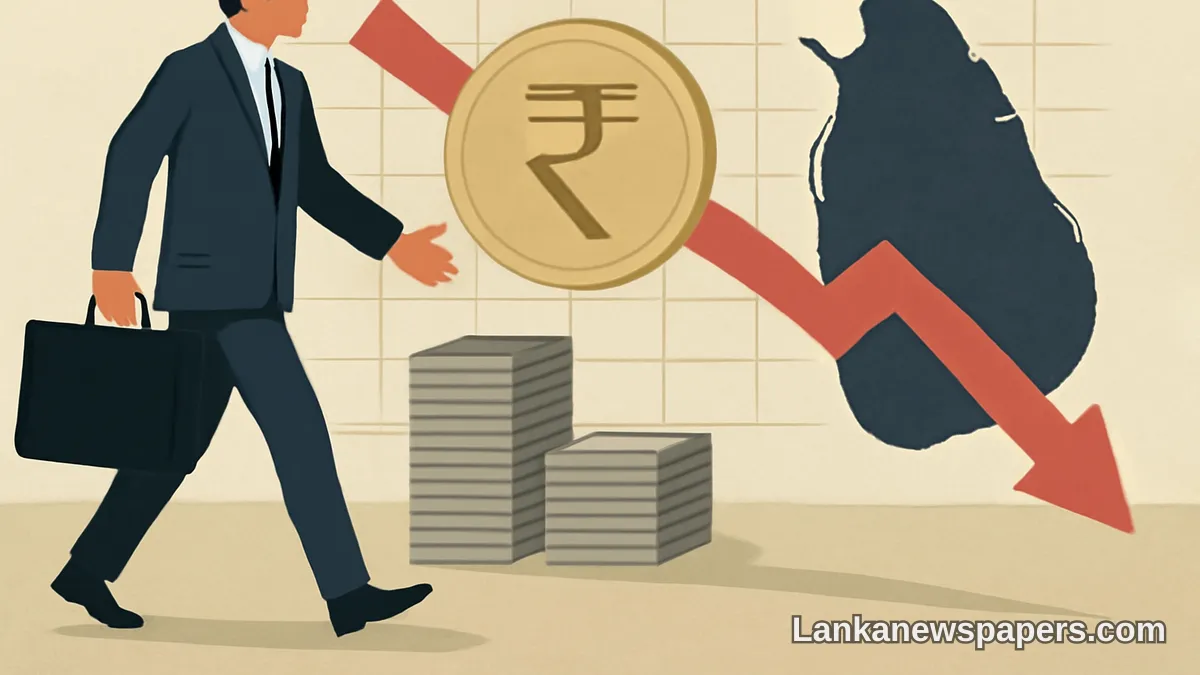
Overseas Bondholders Retreat Amid Rupee Weakness
Foreign investors have been offloading their holdings of Sri Lanka's rupee-denominated government bonds, driven by concerns over the depreciation of the local currency, raising fresh questions about investor confidence in the island nation's financial markets.
Depreciation Weighs on Returns
The sell-off reflects a broader unease among overseas bondholders, who face diminishing returns when profits are converted back into their home currencies. As the rupee loses value against major international currencies, the real yield on rupee bonds effectively shrinks for foreign investors, making the instruments less attractive compared to alternatives in more stable currency environments.
Currency risk has long been a key concern for foreign participants in emerging market bond markets, and Sri Lanka's ongoing exchange rate pressures appear to be reinforcing those anxieties at present.
Implications for Sri Lanka's Capital Markets
The withdrawal of foreign capital from the domestic bond market could place upward pressure on interest rates, as reduced demand for government securities typically prompts yields to rise. This, in turn, may complicate the government's efforts to manage its borrowing costs at a time when fiscal consolidation remains a central pillar of Sri Lanka's economic recovery programme.
Sri Lanka has been working to stabilise its economy following the severe foreign exchange crisis of 2022, which led to an International Monetary Fund bailout. Restoring sustained foreign investor participation in local capital markets has been considered an important milestone in that recovery journey.
Broader Market Concerns
Analysts note that while some degree of foreign investor movement in and out of bond markets is routine, a sustained trend of selling could signal deeper concerns about macroeconomic stability and exchange rate management. The Central Bank of Sri Lanka has previously emphasised its commitment to maintaining a flexible yet managed exchange rate policy aimed at preserving competitiveness and preventing excessive volatility.
Market observers will be watching closely in the coming weeks to see whether the current sell-off is a short-term reaction to currency fluctuations or the beginning of a more prolonged retreat by foreign bondholders.



💬 Join the Discussion 4
See what readers are saying — and add your view.
can someone explain how this affects normal ppl like us
goverment needs to stabilize the rupee first before attracting anyone
these foreigners only come when profit is there, leave when trouble starts
exactly, fair weather investors only no