Non-Communicable Diseases Driving Eight in Ten Deaths Across Sri Lanka, Warns Health Sector
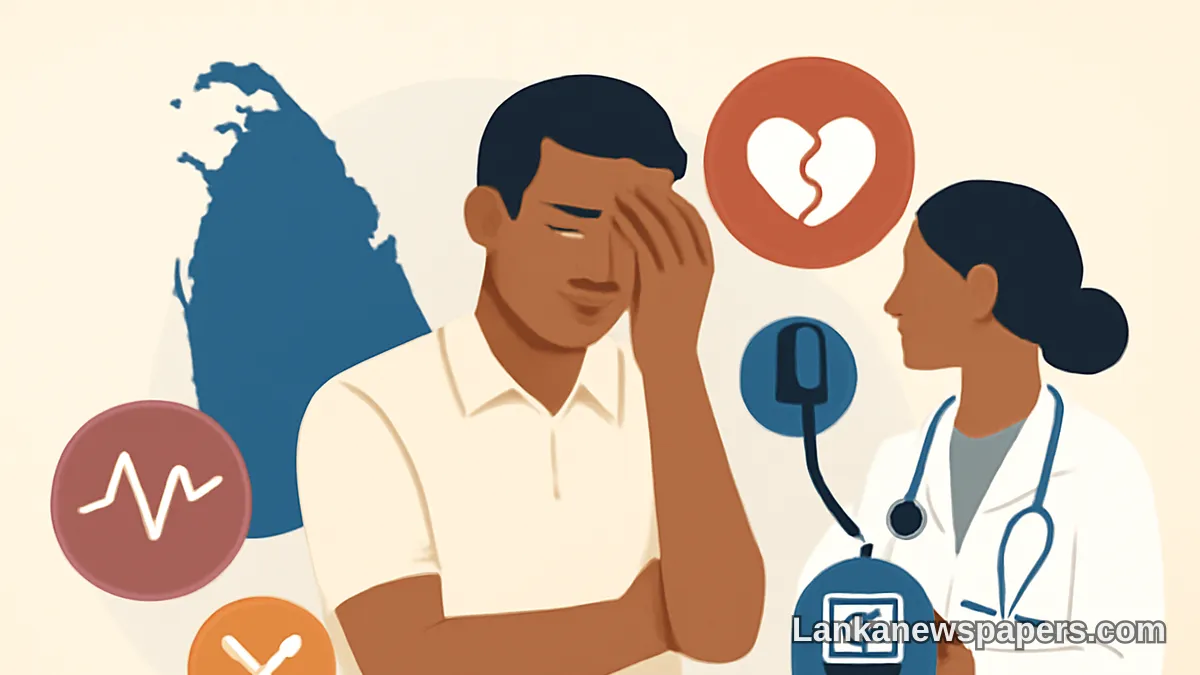
Hypertension and Diabetes Emerge as Nation's Deadliest Health Threats
High blood pressure and diabetes are responsible for approximately 80 percent of all deaths recorded in Sri Lanka, according to health sector data, painting a stark picture of the growing non-communicable disease burden gripping the island nation.
The figures highlight an alarming trend that health authorities have long cautioned against — a population increasingly vulnerable to chronic lifestyle diseases that are largely preventable with timely intervention, proper diet, and consistent medical care.
A Silent Crisis Unfolding
Non-communicable diseases, commonly referred to as NCDs, have steadily displaced infectious illnesses as the leading cause of mortality in Sri Lanka over recent decades. Hypertension and diabetes, two of the most prevalent among them, now sit at the centre of this public health emergency, affecting hundreds of thousands of Sri Lankans across all age groups and regions.
Medical professionals have repeatedly stressed that both conditions often go undiagnosed for extended periods, allowing complications to develop silently before patients seek treatment. Heart disease, kidney failure, and stroke — all closely linked to uncontrolled blood pressure and blood sugar levels — are among the most common fatal outcomes.
Lifestyle Factors Under the Spotlight
Experts point to several contributing factors fuelling the rise of these conditions within the local population, including:
- High consumption of refined carbohydrates and sugar in traditional Sri Lankan diets
- Sedentary lifestyles, particularly in urban areas
- Rising rates of obesity across both adult and younger age groups
- Limited physical activity and increasing occupational stress
- Inadequate routine health screening at the community level
Calls for Urgent National Response
Health advocates are urging the government to strengthen primary healthcare infrastructure and expand community-level screening programmes to detect hypertension and diabetes at earlier stages. Early diagnosis, they argue, remains the single most effective tool in reducing NCD-related fatalities.
Eighty percent of deaths being attributed to just two conditions tells us that this is not merely a medical problem — it is a national crisis that demands an urgent, coordinated response at every level of government and society.
Public awareness campaigns encouraging regular blood pressure checks, blood glucose monitoring, and healthier dietary choices have been identified as critical components of any meaningful strategy to reverse the trend.
What Sri Lankans Can Do
Health officials continue to urge citizens to schedule routine medical check-ups, adhere to prescribed medication where necessary, and make informed lifestyle choices. With the right preventive measures in place, both hypertension and diabetes are manageable conditions — and the deaths associated with them, largely avoidable.
As Sri Lanka navigates ongoing economic and social pressures, the mounting toll of non-communicable diseases serves as a reminder that public health investment is not a luxury, but a fundamental necessity for the nation's future well-being.

💬 Join the Discussion 0
Be the first to share your view on this story.