Sri Lanka's T20 Crisis Goes Beyond Boundaries: A Structural Problem Demanding Urgent Reform
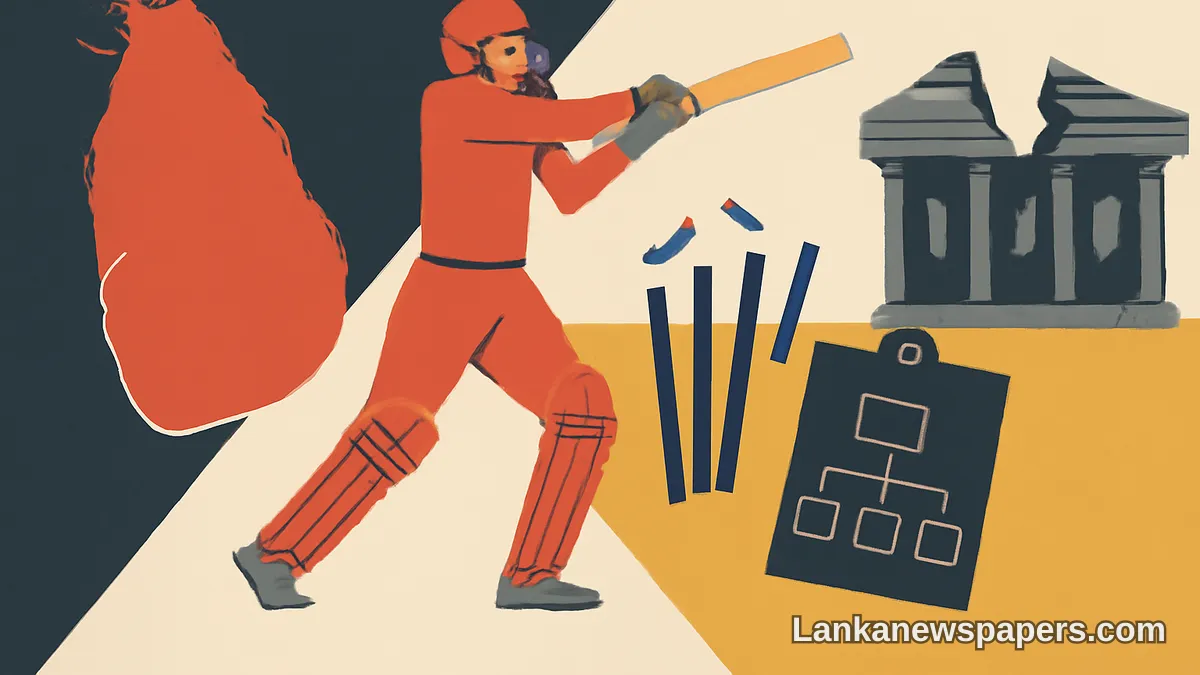
Sri Lanka's struggles in Twenty20 cricket have once again come under the spotlight, with analysts and fans alike increasingly convinced that the team's deficiencies extend far beyond the much-discussed absence of a strong power game. While the inability to score big in the Powerplay overs remains a visible concern, experts suggest the problems run far deeper into the country's cricketing structure and player development pathways.
More Than Just a Batting Problem
The knee-jerk diagnosis for Sri Lanka's T20 woes has long centred on the lack of hard-hitting batters capable of clearing the boundary with consistency. However, a closer examination reveals systemic issues that no single power-hitter can solve on their own. Tactical rigidity, poor shot selection under pressure, and an inability to adapt to match situations have repeatedly cost the side crucial games at the international level.
Middle-Order Fragility and Strategic Gaps
Sri Lanka's middle order has proven alarmingly brittle in high-pressure T20 encounters. When early wickets fall or the Powerplay fails to yield sufficient runs, the batting unit has consistently crumbled rather than rebuilt and accelerated. This fragility points to a deeper lack of game awareness and situational batting intelligence among the squad's middle-tier players.
- Inconsistent run rates through the middle overs have allowed opposition teams to dictate terms
- The absence of a reliable finisher has proven costly in close matches
- Tactical decision-making at the top order frequently undermines promising starts
- Bowling variations remain predictable, making it easier for opposition batters to plan ahead
Domestic Structure Under the Microscope
At the heart of these failings lies a domestic T20 structure that critics argue does not adequately prepare players for the demands of international cricket. The local tournament landscape, while providing opportunities, has not consistently produced batters and bowlers who can perform under the distinct pressures of global T20 competition. Player conditioning, mental coaching, and tactical education at the grassroots level remain areas requiring significant investment.
The problem is not simply that Sri Lanka lacks big hitters — it is that the system is not producing cricketers who fully understand the modern T20 game in all its dimensions.
Bowling Woes Add to the Burden
The difficulties are not limited to the batting department. Sri Lanka's bowling attack has also struggled to execute consistent death-over strategies, often conceding large totals in the final stages of innings. The lack of a genuine yorker specialist and the inconsistent form of key pace bowlers have compounded the team's overall T20 vulnerability.
The Road Ahead
For Sri Lanka to rediscover the T20 brilliance that once made them a feared side on the world stage — including their historic 2014 ICC World Twenty20 title — a comprehensive overhaul of approach, selection philosophy, and player development is needed. Simply importing a power-hitting mentality without addressing the broader structural and tactical shortcomings will not be sufficient to restore the island nation to T20 prominence.
Sri Lankan cricket fans, known for their passionate and unwavering support, deserve a team that competes with both skill and strategy. The path to revival begins with an honest acknowledgement that the challenges ahead are complex — and that solving them will require far more than one big swing of the bat.



💬 Join the Discussion 2
See what readers are saying — and add your view.
SLC wont change. same ppl, same failures, decade after decade.
exactly. sacking the coach every time wont fix the system.