Sri Lanka Faces Looming Water Crisis as El Niño Puts Pressure on Key Freshwater Sources
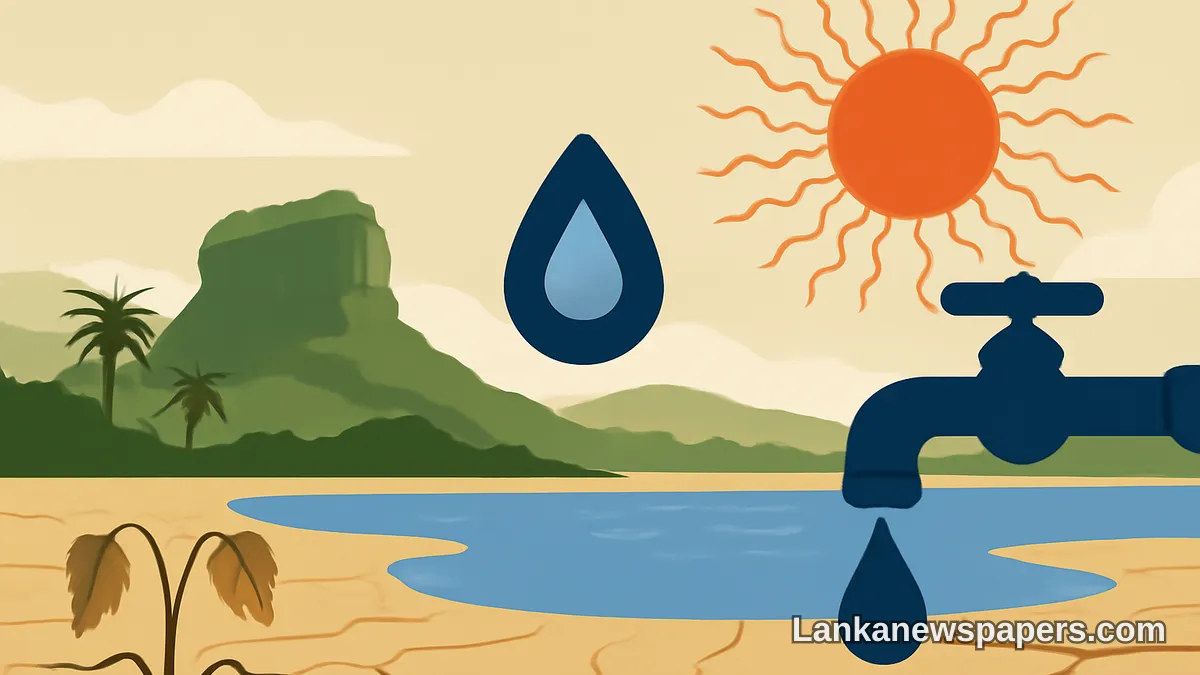
Sri Lanka could be forced to turn to desalinated seawater for its drinking needs as the El Niño weather phenomenon threatens to severely deplete the island's primary freshwater sources, experts have warned.
A Growing Threat to Water Security
The El Niño climate pattern, known for triggering prolonged dry spells and disrupting regular rainfall cycles, is placing unprecedented pressure on Sri Lanka's reservoirs, rivers, and groundwater systems — the very foundations of the country's water supply. Should conditions deteriorate significantly, authorities may have no alternative but to explore seawater desalination as a means of meeting the population's basic drinking water needs.
Sri Lanka's water supply infrastructure has long depended on consistent monsoon rainfall to replenish its ancient network of tanks and reservoirs. However, climate variability driven by El Niño is increasingly undermining the reliability of these seasonal rains, leaving communities across the island vulnerable to shortages.
What Is El Niño and Why Does It Matter for Sri Lanka?
El Niño is a naturally occurring climate cycle characterised by the warming of surface waters in the central and eastern Pacific Ocean. Its effects ripple across the globe, and for South Asian nations like Sri Lanka, it typically means reduced rainfall, higher temperatures, and prolonged drought conditions.
For an island nation that depends heavily on agriculture and whose rural communities rely directly on rain-fed water sources, the consequences can be deeply damaging — affecting not only drinking water supplies but also food production and livelihoods.
Desalination: A Last Resort?
The prospect of desalinating seawater — a process that removes salt and impurities from ocean water to make it suitable for human consumption — represents a dramatic and costly shift in how Sri Lanka might need to manage its water resources.
- Desalination plants require significant investment in infrastructure and technology.
- The process is energy-intensive, raising concerns about affordability given Sri Lanka's ongoing economic challenges.
- Environmental considerations, including the disposal of concentrated brine back into the ocean, must also be addressed.
While desalination is already widely used in water-scarce regions such as the Middle East, it remains largely untested at scale within Sri Lanka's context.
Urgent Action Needed
Water security specialists and environmental advocates are urging the government to treat this emerging crisis with the seriousness it deserves. Long-term solutions, including rainwater harvesting, the restoration of traditional water storage systems, and investment in modern water management, are being highlighted as critical steps that must be accelerated.
Sri Lanka's ancient civilisation was built on ingenious water management — it is time to marry that wisdom with modern solutions before the crisis deepens.
As the effects of climate change intensify globally, Sri Lanka's experience serves as a stark reminder that even island nations surrounded by water can face a profound freshwater crisis if proactive measures are not taken in time.



💬 Join the Discussion 0
Be the first to share your view on this story.