Blocked Gambling Sites Return Online as Sri Lanka's Regulatory Framework Remains in Limbo
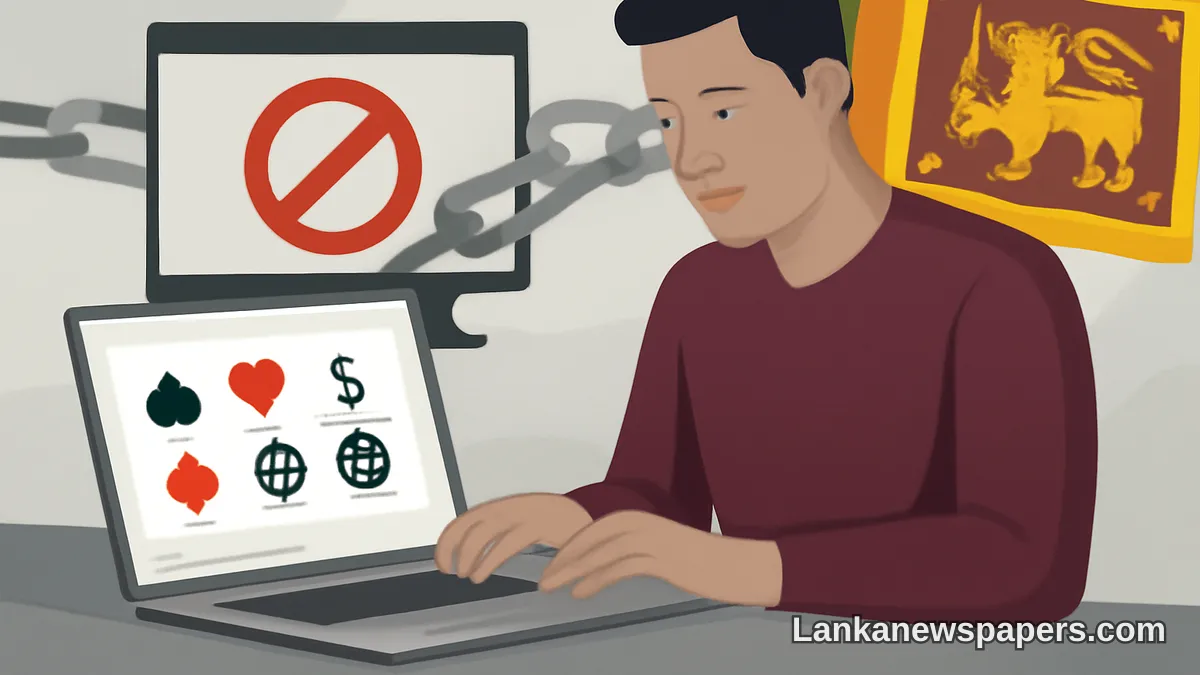
Banned platforms resurface despite government crackdown efforts
Illegal online betting and gambling websites that were previously blocked by Sri Lankan authorities have found their way back onto the internet, exposing a significant gap in the country's ability to enforce digital restrictions and establish a coherent regulatory framework for online gambling.
A cat-and-mouse battle with little progress
Despite repeated attempts by relevant authorities to shut down unauthorised betting platforms, operators of these sites have consistently circumvented bans — often reappearing under new domain names or utilising virtual private networks (VPNs) to restore access for Sri Lankan users. The pattern has raised serious questions about the effectiveness of the current approach to digital enforcement.
Industry observers note that without a robust and legally binding regulatory structure specifically addressing online gambling, enforcement actions amount to little more than temporary inconveniences for site operators who are frequently based overseas and beyond the direct reach of Sri Lankan law.
Regulation continues to stall
Efforts to introduce comprehensive legislation governing online betting in Sri Lanka have stalled repeatedly, leaving authorities with limited legal tools to mount a sustained crackdown. The absence of a clear regulatory body with specific jurisdiction over online gambling platforms has further complicated matters, creating confusion over which institution bears responsibility for enforcement.
Critics argue that the regulatory vacuum is not only allowing illegal operators to thrive but is also depriving the government of potential tax revenue that a properly licensed and regulated industry could generate.
Concerns over financial and social impact
Consumer protection advocates have voiced alarm over the unchecked proliferation of these platforms, pointing to the financial harm caused to vulnerable individuals — particularly young people — who access unregulated betting sites with no safeguards in place.
- Unregulated platforms offer no responsible gambling protections or spending limits
- Users have no legal recourse in the event of disputes or withheld winnings
- Money flowing through these sites is largely untraceable, raising anti-money laundering concerns
- Young and low-income users are considered especially at risk
Calls for urgent legislative action
Stakeholders from legal, financial, and social welfare sectors are increasingly calling on parliament to prioritise the drafting and passage of a dedicated online gambling regulation act. Such legislation, they argue, would enable authorities to license legitimate operators, impose enforceable penalties on illegal platforms, and introduce mandatory consumer protection measures.
Without a proper legal framework, banning websites is simply plugging holes in a sieve. The platforms come back faster than they can be removed, and users remain completely unprotected.
As the debate over regulation drags on, the banned betting sites continue to operate freely — a stark reminder that digital enforcement without legislative backing remains an uphill battle for Sri Lanka's authorities.


💬 Join the Discussion 4
See what readers are saying — and add your view.
honestly some ppl will find a way regardless, regulation is better
how many times they gonna block and unblock same sites
goverment blocks them then does nothing. what a joke lah
exactly, blocking alone never works without proper rules