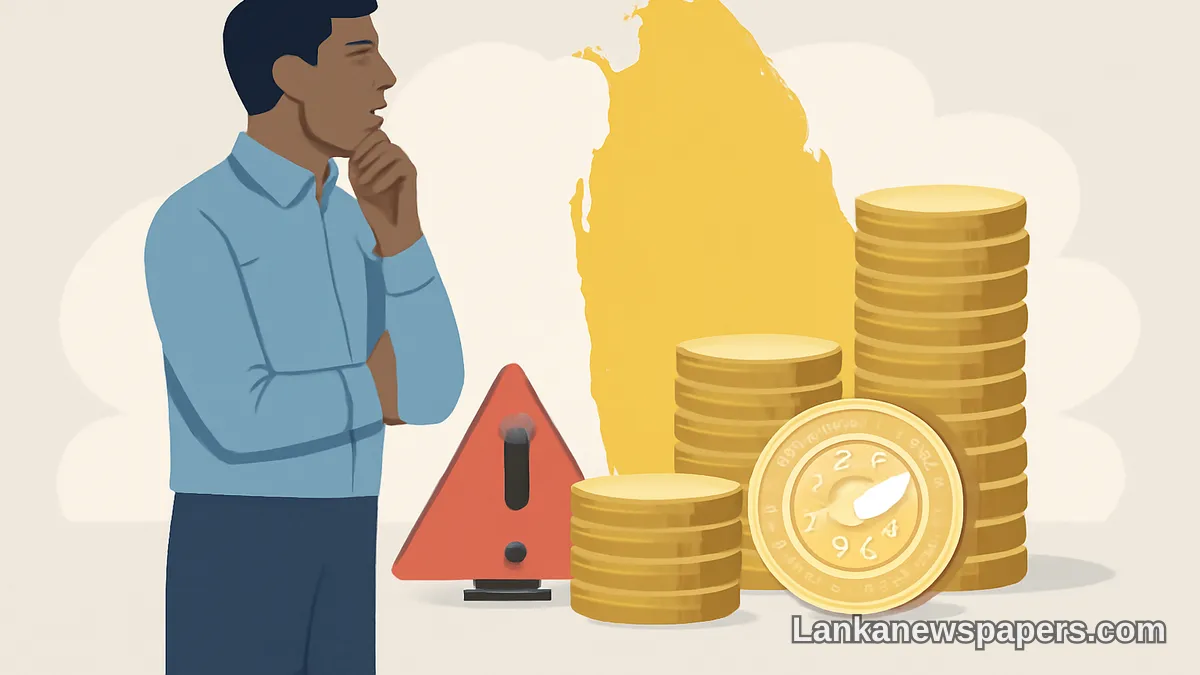
Sri Lanka's Central Bank has issued a cautious but firm message to policymakers and the public alike: building foreign exchange reserves is a critical national priority, but it must not be pursued recklessly or at any cost to the broader economy.
A Measured Approach to Reserve Accumulation
Senior officials at the Central Bank of Sri Lanka have stressed that while strengthening the country's reserve buffers remains essential to economic stability, the manner in which reserves are accumulated matters enormously. Chasing reserve targets through unsustainable borrowing, premature monetary interventions, or policies that distort the exchange rate could ultimately do more harm than good, the bank indicated.
The warning comes as Sri Lanka continues its fragile recovery from one of the worst economic crises in its post-independence history — a crisis marked by a catastrophic depletion of foreign reserves that left the island nation unable to finance critical imports of fuel, medicine, and food.
Preparing for Future Economic Shocks
Beyond the question of how reserves are built, the Central Bank has also underlined the urgent need for Sri Lanka to develop robust mechanisms to withstand future external shocks. Global economic volatility, fluctuating commodity prices, and unpredictable capital flows all pose ongoing threats to a small, open economy like Sri Lanka's.
- Sustainable reserve accumulation must align with sound monetary policy principles
- Short-term gains in reserve levels should not come at the expense of long-term economic health
- Preparedness frameworks must be strengthened to cushion the economy against future crises
The Central Bank emphasised that any strategy for reserve building must be grounded in prudent economic management rather than driven purely by numerical targets.
Lessons From the 2022 Crisis
Sri Lanka's foreign reserves collapsed dramatically in the lead-up to the 2022 economic meltdown, falling to critically low levels that made it impossible for the government to service its external debt obligations. The country subsequently defaulted on its foreign debt for the first time in its history and was forced to seek an International Monetary Fund bailout programme.
Since then, reserves have gradually recovered under the IMF-supported reform agenda, but economists and policymakers agree that the buffers remain insufficient to provide meaningful protection against large external disruptions.
The Road Ahead
The Central Bank's latest remarks signal that as Sri Lanka moves deeper into its recovery phase, authorities are increasingly focused not just on headline reserve figures, but on the quality and sustainability of economic policies underpinning those numbers. For a nation still navigating a demanding IMF programme and working to regain the confidence of international markets, this balanced and disciplined approach to reserve management may prove to be one of the most important policy commitments of the recovery era.


💬 Join the Discussion 1
See what readers are saying — and add your view.
finally some sense from central bank, cant just hoard dollars at any cost