Deepfakes and AI-Generated Images of Women Emerging as Serious Threat in Sri Lanka, Report Finds
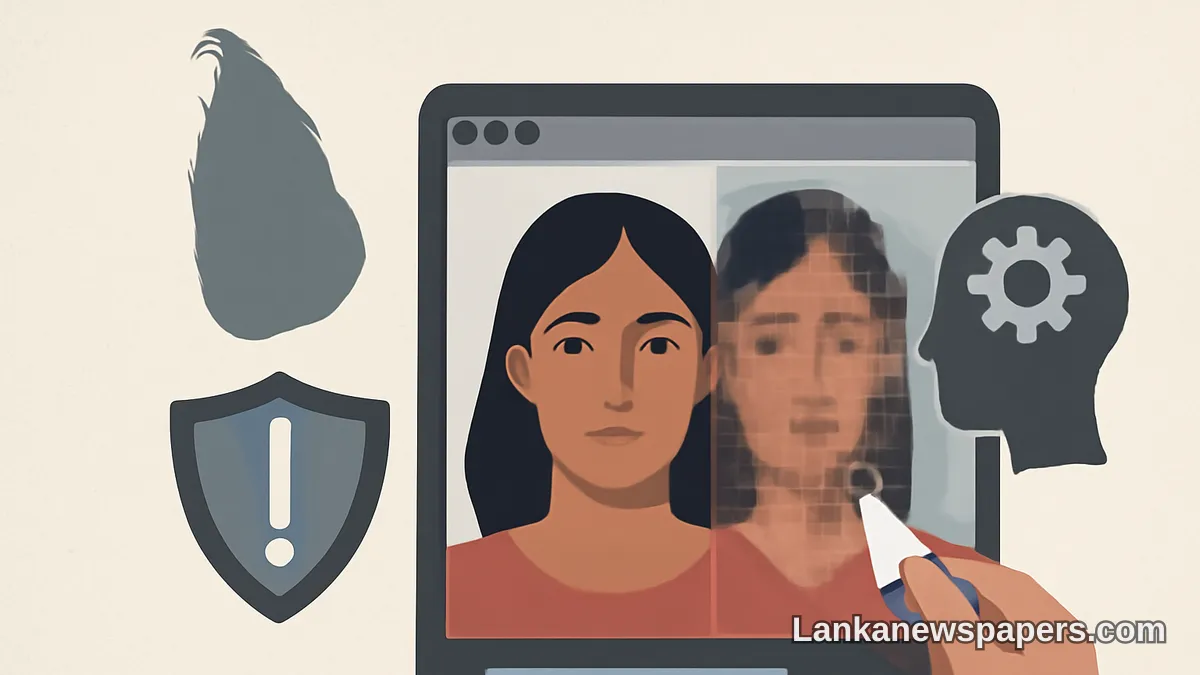
Artificial intelligence-generated fake images of women and politically motivated deepfake content are becoming an increasingly serious threat in Sri Lanka, according to a new report that has raised urgent concerns about the growing misuse of AI technology in the country.
A Rising Danger in the Digital Space
The report highlights how advances in AI image and video generation tools have made it alarmingly easy for bad actors to create convincing fake content, targeting both private individuals and public figures. Women, in particular, are being disproportionately affected, with AI-generated imagery being used for harassment, defamation, and non-consensual intimate content.
Political deepfakes — manipulated audio and video content designed to make politicians or public officials appear to say or do things they never did — have also been identified as a growing threat to Sri Lanka's democratic processes and public trust in media.
Women Bearing the Brunt
According to the findings, AI-generated fake images targeting women are being weaponised as tools of intimidation and reputational damage. Victims often have little recourse once such content begins circulating on social media platforms, where it can spread rapidly before detection or removal.
- AI tools are increasingly accessible and require minimal technical knowledge to operate
- Fake imagery is being used to silence, shame, and harass women online
- The psychological impact on victims can be severe and long-lasting
Political Manipulation Through Deepfakes
The report also draws attention to the threat posed by politically targeted deepfake content, warning that fabricated videos and audio clips could be used to spread disinformation, manipulate public opinion, and destabilise political processes — particularly ahead of elections.
Deepfake technology, if left unaddressed, poses a direct threat to informed democratic participation and the integrity of public discourse in Sri Lanka.
Calls for Urgent Action
The findings are expected to intensify calls on Sri Lankan authorities and lawmakers to introduce stronger legal frameworks to address AI-generated harmful content. Currently, existing legislation is widely considered inadequate to deal with the speed and scale at which such material can be created and distributed.
Digital rights advocates and civil society groups are urging the government to prioritise awareness campaigns, strengthen platform accountability, and enact specific legislation that criminalises the malicious creation and distribution of deepfake content targeting individuals.
As Sri Lanka continues to expand its digital infrastructure and internet penetration, experts warn that without swift and decisive action, the harms associated with AI-generated fake content will only continue to grow.

💬 Join the Discussion 1
See what readers are saying — and add your view.
this is getting out of hand, my sisters photo was used like this last year