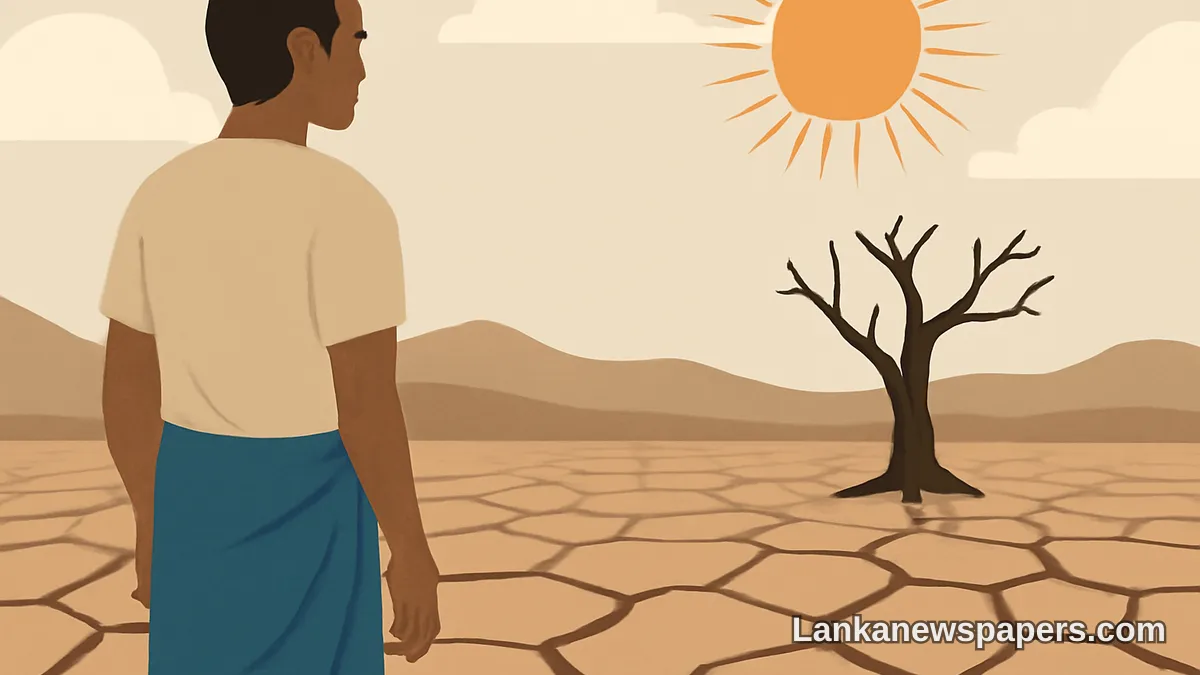
Dry weather conditions linked to the El Niño climate phenomenon have taken a severe toll on Sri Lanka, with more than 115,000 people across the island now affected by the prolonged lack of rainfall.
A Nation Feeling the Heat
The El Niño weather pattern, known for disrupting normal rainfall cycles and intensifying drought conditions across South and Southeast Asia, has pushed large swathes of Sri Lanka into a period of acute water and agricultural stress. Communities that depend heavily on seasonal rains for both drinking water and farming have been hit particularly hard.
The scale of the crisis underscores the vulnerability of rural populations who rely on traditional rain-fed agriculture and local reservoirs that have struggled to maintain adequate water levels during the dry spell.
Impact on Livelihoods and Daily Life
The prolonged dry conditions have disrupted crop cultivation, threatened livestock, and strained access to safe drinking water for tens of thousands of families. Farmers in affected districts face mounting losses as parched fields yield little to no produce, deepening financial hardship in already struggling communities.
- Over 115,000 people reported to be directly affected by the dry weather
- Agricultural output in affected regions significantly reduced
- Access to clean drinking water has become a growing concern
- Livestock and rural livelihoods under increasing pressure
El Niño's Broader Reach
El Niño events, which occur when unusually warm Pacific Ocean temperatures alter global weather patterns, have historically caused significant disruptions to Sri Lanka's monsoon seasons. Scientists and climate experts have warned that such episodes are likely to become more frequent and intense as global temperatures continue to rise.
Sri Lanka's geographic and economic profile makes it particularly susceptible to climate-driven weather shocks, with agriculture and water security among the sectors most at risk during El Niño years.
Calls for Urgent Response
The unfolding situation has renewed calls for coordinated disaster relief and longer-term investment in climate-resilient infrastructure, including improved irrigation systems and drought-resistant crop programmes. Authorities are being urged to accelerate assistance to the most affected communities before conditions deteriorate further.
As Sri Lanka continues to navigate the compounding pressures of economic recovery and climate volatility, the current dry weather crisis serves as a stark reminder of the urgent need for robust national adaptation strategies.



💬 Join the Discussion 1
See what readers are saying — and add your view.
115,000 ppl and goverment still sleeping. nothing new.