Super El Niño' Warning Raises Fresh Alarm Over Sri Lanka's Drought Crisis and Fragile Economy
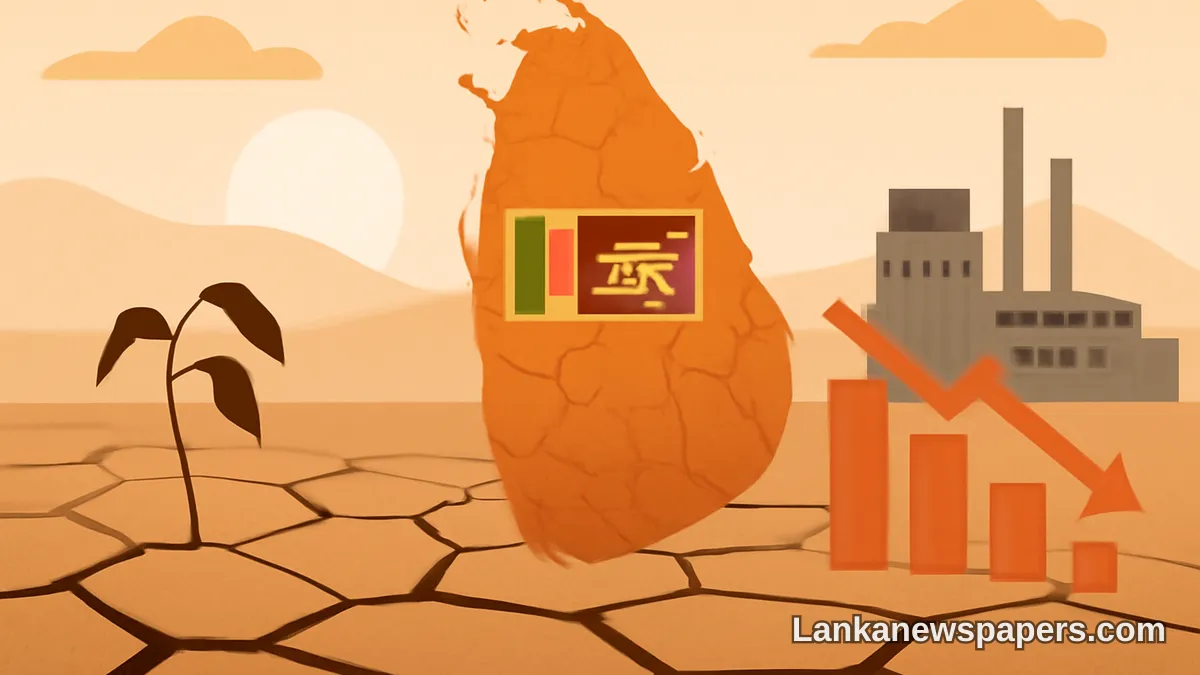
Climate Scientists Sound Warning as Sri Lanka Braces for Intensified Weather Disruption
Sri Lanka, still navigating the difficult road to economic recovery, now faces a potentially devastating new threat in the form of a so-called "Super El Niño" — a particularly intense phase of the periodic climate phenomenon that scientists warn could severely worsen the island's already strained drought conditions and further undermine its fragile financial footing.
What Is a Super El Niño?
El Niño is a naturally occurring climate pattern characterised by the unusual warming of surface waters in the central and eastern Pacific Ocean. When this warming reaches exceptional intensity, meteorologists classify the event as a "Super El Niño." Such extreme phases have historically triggered prolonged droughts, erratic rainfall, and widespread agricultural disruption across South and Southeast Asia, with Sri Lanka among the nations most vulnerable to its effects.
Threat to Agriculture and Water Security
For Sri Lanka, which depends heavily on seasonal monsoon rains to sustain both its agricultural sector and freshwater reservoirs, a Super El Niño could spell disaster. Reduced rainfall directly threatens rice cultivation, tea and rubber plantations, and smallholder farming communities across the dry and intermediate zones of the country. Water levels in major irrigation tanks and hydropower reservoirs — already under pressure — could fall to critical lows, compounding the difficulties faced by farmers and rural households alike.
- Rice production, a staple of the national diet, faces severe disruption if monsoon rains fail to materialise as expected.
- Tea and rubber exports, vital foreign exchange earners, could suffer significant yield losses.
- Hydropower generation may decline sharply, placing additional strain on the national electricity grid.
- Drinking water shortages in drought-prone districts could trigger a humanitarian challenge for local authorities.
Economic Implications at a Critical Juncture
The timing could hardly be worse. Sri Lanka is currently in the midst of an International Monetary Fund-backed economic recovery programme, following the unprecedented financial crisis of 2022 that led to a sovereign debt default, crippling fuel and medicine shortages, and widespread public unrest. Agricultural setbacks caused by a Super El Niño would place fresh pressure on food prices, government revenues, and the livelihoods of millions who depend on farming for their income.
Climate-related shocks have the potential to unravel months of hard-won economic stabilisation, particularly in an agrarian economy still rebuilding its resilience.
Calls for Urgent Preparedness
Climate and disaster management experts are urging the government to take immediate proactive steps, including strengthening early warning systems, reviewing irrigation infrastructure, supporting farmers with drought-resistant crop varieties, and establishing contingency plans for water rationing in the most vulnerable districts.
Authorities have been reminded that effective preparation and coordinated policy responses can significantly reduce the human and economic cost of climate shocks — but only if action is taken well ahead of the crisis rather than in response to it.
A Nation at a Crossroads
Sri Lanka's experience in recent years has demonstrated just how interconnected climate vulnerability and economic stability truly are. As the country works to restore investor confidence and improve living standards for its people, the looming spectre of a Super El Niño serves as a stark reminder that environmental risks cannot be separated from the broader development agenda. How the government and relevant institutions respond to this warning in the coming weeks and months may well determine the pace and durability of the nation's recovery.


💬 Join the Discussion 4
See what readers are saying — and add your view.
farmers in Anuradhapura already suffering. who is going to help them
every year some new disaster warning. can we get one good year please
already no water in our area, now this on top. goverment sleeping as usual
dont blame only goverment, we also waste water like anything