Standard Chartered Sri Lanka CEO Calls for IMF Stand-By Deal to Follow Current Bailout Programme
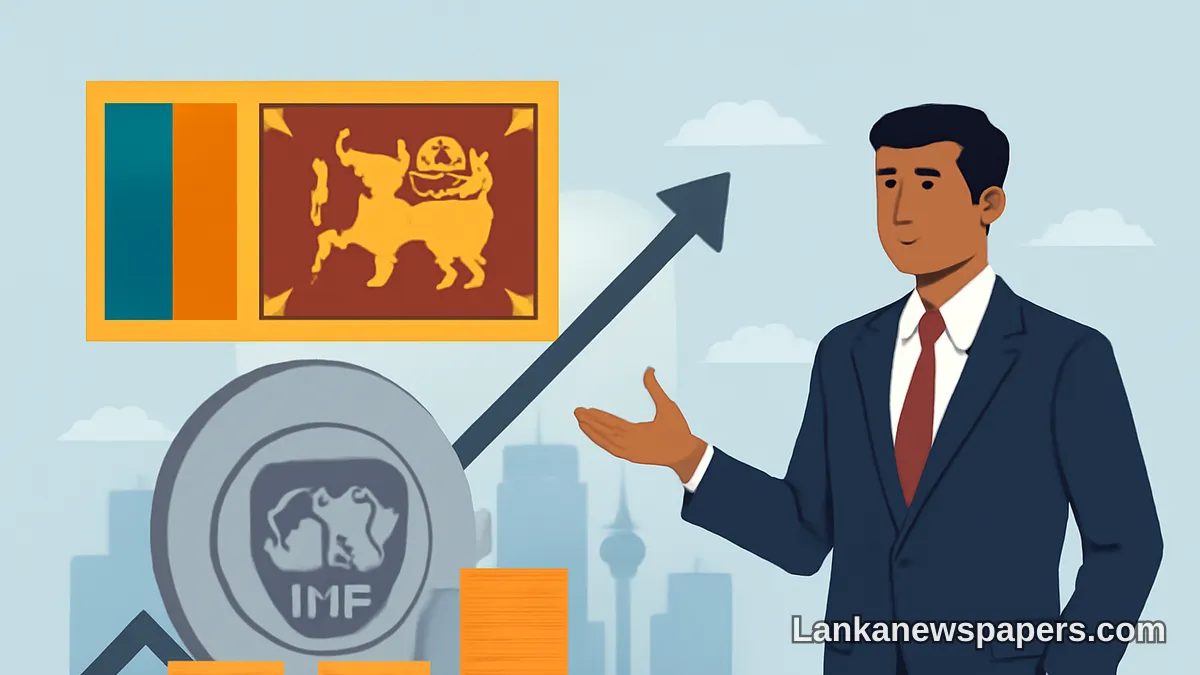
The head of Standard Chartered Sri Lanka has called on authorities to consider securing an International Monetary Fund stand-by arrangement once the country's ongoing Extended Fund Facility programme concludes, signalling that the island nation's economic recovery journey may require continued multilateral support beyond the current bailout deal.
A Call for Continued Multilateral Support
Standard Chartered Sri Lanka's Chief Executive Officer has put forward the view that Sri Lanka should pursue a follow-up IMF stand-by agreement after the existing Extended Fund Facility, commonly known as the EFF, runs its course. The proposal reflects growing sentiment within the country's banking and financial sector that structural reforms and fiscal discipline must be sustained well beyond the current programme's lifespan to cement long-term economic stability.
The EFF, which Sri Lanka entered into with the IMF following the country's unprecedented economic crisis, has served as a critical lifeline, providing financial assistance while anchoring a series of demanding reform conditions spanning revenue collection, state enterprise restructuring, and monetary policy.
Why a Stand-By Arrangement Matters
A stand-by arrangement with the IMF differs from the EFF in that it is typically shorter in duration and designed to address balance of payments pressures or serve as a precautionary safety net. For Sri Lanka, such an agreement following the EFF could send a powerful signal of continued commitment to fiscal responsibility, helping to bolster investor confidence and maintain access to international capital markets as the country works to rebuild its battered economy.
The banking chief's comments underline a broader concern shared by financial analysts and policymakers alike — that exiting the IMF programme prematurely or without a credible successor arrangement could leave Sri Lanka vulnerable to renewed economic shocks, particularly given the fragile state of its foreign reserves and external debt obligations.
Sri Lanka's Ongoing Economic Recovery
Sri Lanka plunged into its worst economic crisis in decades in 2022, resulting in crippling fuel and medicine shortages, runaway inflation, and widespread public unrest. The country defaulted on its external debt for the first time in its history, prompting urgent negotiations with the IMF and bilateral creditors.
Since securing the EFF programme, Sri Lanka has made measurable progress on several key economic indicators, including a stabilisation of the rupee, a gradual rebuilding of foreign reserves, and a return to positive growth. However, economists and international observers have consistently cautioned that the recovery remains fragile and that sustained reform implementation is essential.
Banking Sector Weighs In
The Standard Chartered CEO's remarks represent one of the more prominent voices from the private banking sector advocating for a clearly defined post-EFF strategy. Financial institutions operating in Sri Lanka have a direct stake in the country's macroeconomic trajectory, as stability and investor confidence are prerequisites for growth in lending, trade finance, and capital market activity.
- Sri Lanka's EFF with the IMF was approved in 2023 as part of a broader debt restructuring effort.
- The programme is tied to a series of performance benchmarks covering taxation, public expenditure, and monetary policy.
- A stand-by arrangement would provide an additional buffer should economic pressures re-emerge after the EFF concludes.
As Sri Lanka navigates the complex path from crisis to recovery, the suggestion of a stand-by deal adds to the policy debate about what comes next — and whether the country can afford to step away from institutional oversight before its economic foundations are truly secure.



💬 Join the Discussion 0
Be the first to share your view on this story.