Sri Lankans Continue to Struggle as Economic Hardship Grips Household Finances
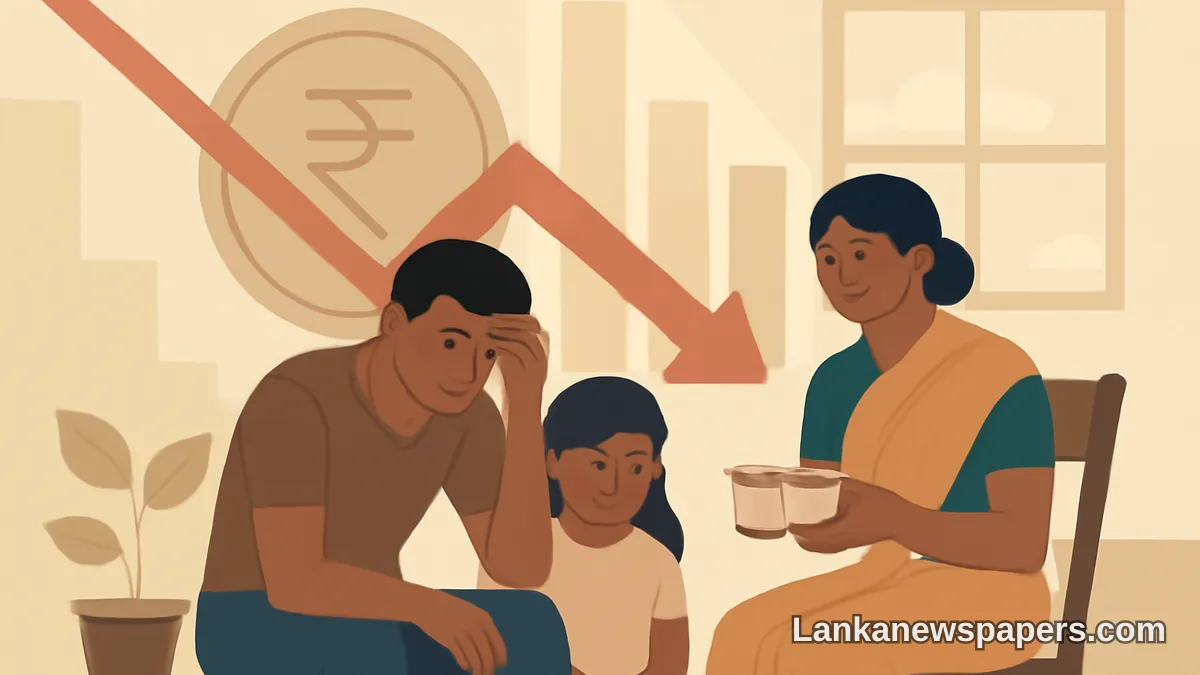
Ordinary Sri Lankans are facing mounting financial pressure as rising living costs and shrinking disposable incomes force families across the island to dramatically cut back on everyday spending, painting a sobering picture of life in a nation still recovering from its worst economic crisis in decades.
A Nation Tightening Its Belt
From Colombo's urban neighbourhoods to rural villages in the provinces, households are making difficult choices — skipping meals, reducing portion sizes, postponing medical care, and abandoning small luxuries that were once taken for granted. The ripple effects of Sri Lanka's economic collapse continue to be felt deeply at the grassroots level, long after international headlines have moved on.
Families report that wages have failed to keep pace with the cost of essentials including food, fuel, and medicine. Many breadwinners juggle multiple jobs simply to maintain a basic standard of living, while others have been forced to dip into savings or borrow from relatives and informal lenders.
Spending Cuts Across the Board
Consumer behaviour has shifted noticeably, with retailers and market vendors observing a clear decline in purchasing volumes. Shoppers are buying in smaller quantities, opting for cheaper alternatives, and avoiding non-essential goods altogether.
- Food budgets have been slashed, with families replacing protein-rich items with cheaper carbohydrates
- School-related expenses are being deferred or minimised wherever possible
- Healthcare visits are being postponed due to the cost of consultations and medication
- Entertainment and leisure spending has largely disappeared from household budgets
The Broader Economic Context
Sri Lanka secured a bailout agreement with the International Monetary Fund and has made measurable progress in stabilising its macro-economy, with foreign reserves gradually recovering and inflation easing from its catastrophic peak. However, economists and social observers warn that these headline improvements have yet to translate into meaningful relief for the majority of the population.
While the economy may be stabilising on paper, the lived reality for millions of Sri Lankans remains one of daily sacrifice and financial anxiety.
The disconnect between macro-level recovery indicators and ground-level hardship has raised questions about the pace and inclusiveness of the country's economic rehabilitation. Critics argue that fiscal consolidation measures, including tax increases and subsidy reductions implemented as part of the IMF programme, have disproportionately burdened lower and middle-income households.
Looking Ahead
Policymakers face the delicate task of maintaining fiscal discipline demanded by international creditors while finding ways to cushion the blow for vulnerable citizens. Social welfare programmes such as Aswesuma have been expanded to provide some relief, but many families say the assistance falls far short of covering the true cost of living.
For now, belt-tightening remains the defining experience of everyday life for a vast number of Sri Lankan families, as the road to genuine economic recovery proves longer and more painful than many had hoped.


💬 Join the Discussion 0
Be the first to share your view on this story.