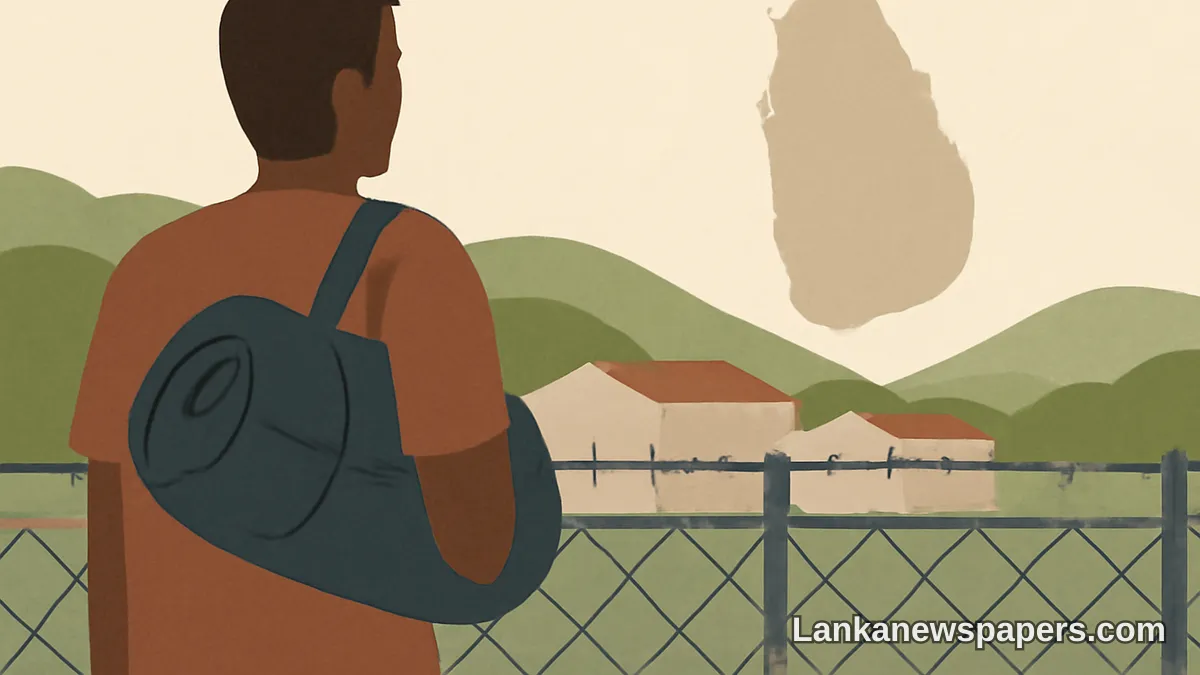
A Generation Caught Between Two Worlds
For tens of thousands of Sri Lankan Tamil refugees who have spent years — in many cases decades — sheltering in Tamil Nadu, the prospect of returning home remains tantalisingly distant, despite improving conditions in their homeland. What should be a joyful homecoming is instead a complex, uncertain journey riddled with practical, legal, and emotional obstacles.
Roots Displaced by Conflict
The majority of these refugees fled Sri Lanka during the brutal civil war that ravaged the island nation for nearly three decades, finally ending in 2009 with the defeat of the Liberation Tigers of Tamil Eelam. Many arrived on Indian shores with little more than the clothes on their backs, settling into refugee camps scattered across Tamil Nadu, where they have since built fragile but familiar lives.
Some of these displaced individuals have now lived in India for over thirty years. Children born in Tamil Nadu have grown up knowing no other home, speaking Tamil in Indian classrooms and working in Indian fields and factories. For this generation, Sri Lanka is less a memory and more a story passed down by elders.
What Holds Them Back
Despite Sri Lanka's post-war stabilisation and periodic government calls encouraging refugees to return, the road to repatriation is far from straightforward. Refugees cite a range of deeply rooted concerns that make the decision to return enormously difficult:
- Loss of property and land in Sri Lanka, with little clarity on legal reclamation processes
- Lack of documentation, including valid identity papers recognised by Sri Lankan authorities
- Fear of discrimination or persecution upon return, particularly among those from the war's most affected regions in the north and east
- Absence of economic opportunity and adequate infrastructure in their original home areas
- Emotional and social ties built over decades in Tamil Nadu
Camp Life and Its Long Shadow
Life in Tamil Nadu's refugee camps, while offering safety, has imposed its own hardships. Restrictions on movement, limited access to quality education and employment, and the psychological weight of indefinite displacement have taken a significant toll on residents. Many refugees occupy a grey area — neither fully integrated into Indian society nor able to return home with any sense of security or certainty.
Aid workers and refugee advocates have long highlighted the urgent need for a structured, supported repatriation programme that addresses both the logistical and humanitarian dimensions of return. Without such a framework, voluntary repatriation remains more aspiration than reality for most families.
Sri Lanka's Responsibilities
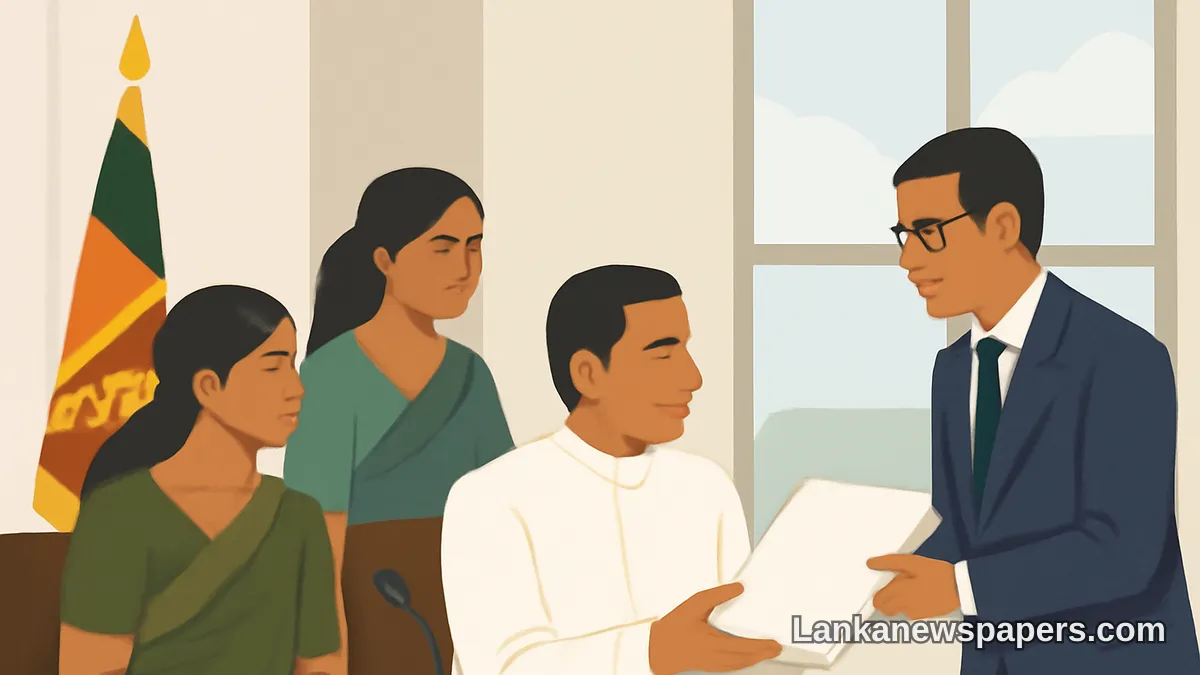
The Sri Lankan government has periodically expressed willingness to welcome returning refugees, but critics argue that concrete mechanisms — including land restitution programmes, resettlement support, and legal protections — remain inadequate. The communities in the north and east, from which most refugees originate, are still recovering from the physical and economic devastation of the war.
For many refugees, returning to Sri Lanka is not simply a matter of crossing the Palk Strait — it requires a guarantee of dignity, safety, and a viable future that they have not yet received.
A Question of Identity and Belonging
Beyond the practical barriers lies a profound question of identity. Younger refugees who have grown up entirely in India struggle to connect with a country they have never truly known, while their parents and grandparents carry memories of a Sri Lanka that may no longer exist in the same form. This generational divide further complicates the community's relationship with the idea of return.
As Sri Lanka continues its post-war journey and Tamil Nadu's refugee population grows older, the urgency of finding a humane, workable solution only intensifies. For now, hundreds of thousands of people remain suspended between a homeland that beckons and a return that remains, for most, achingly out of reach.
💬 Join the Discussion 4
See what readers are saying — and add your view.
cant just resettle overnight, infrastructure in north still not fully there no
do they even want to come back or is it just pressure from India?
after 30+ years still no proper plan from either goverment, typical
exactly, ppl suffered so long and both sides just talking only