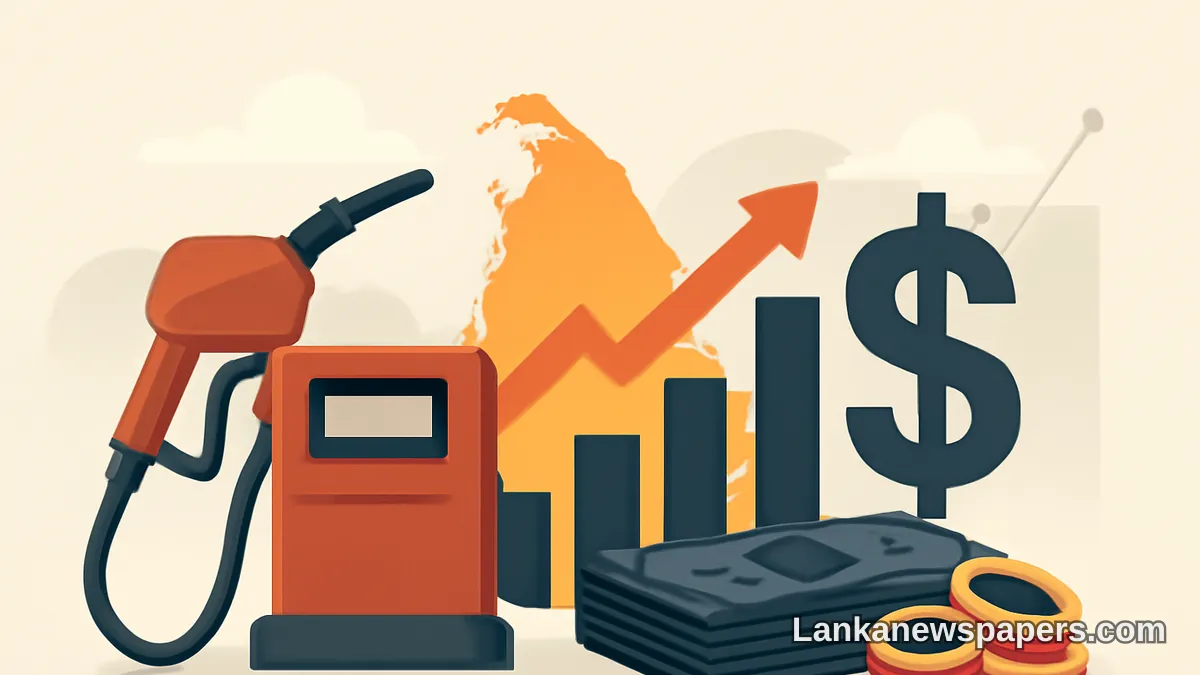
Sri Lanka's fuel import expenditure has risen sharply, with the country spending approximately US$3.17 billion during the first six months of this year — a striking 59% increase compared to the US$1.995 billion recorded during the same period last year.
Prime Minister Addresses Parliament
Prime Minister Harini Amarasuriya disclosed the figures before Parliament on Friday while responding to an oral question from a member of the House. The revelation underscores the mounting pressure that fuel costs continue to place on Sri Lanka's import bill and broader economic recovery efforts.
A Significant Financial Burden
The near-doubling of fuel expenditure within a single year raises serious concerns for an economy that is still navigating its way out of a historic financial crisis. Fuel imports represent one of the largest drains on the country's foreign exchange reserves, and a surge of this magnitude could complicate Sri Lanka's ongoing fiscal consolidation programme.
- First-half fuel import cost in 2025: approximately US$3.17 billion
- First-half fuel import cost in 2024: approximately US$1.995 billion
- Year-on-year increase: approximately 59%
Analysts have previously warned that global energy price fluctuations, combined with growing domestic demand, could strain Sri Lanka's trade balance. The latest figures appear to confirm those concerns, arriving at a time when the government is working to stabilise the economy and rebuild foreign reserves under its International Monetary Fund-supported recovery plan.
Broader Implications
Sri Lanka relies heavily on fuel imports to power its electricity generation, transportation, and industrial sectors. Any sustained rise in import costs is likely to have downstream effects on consumer prices and the cost of living, issues that remain particularly sensitive for ordinary Sri Lankans still feeling the aftershocks of the 2022 economic collapse.
Parliament is expected to continue scrutinising fuel-related expenditure as the government seeks to balance energy security needs with its commitment to narrowing the trade deficit and maintaining macroeconomic stability.


💬 Join the Discussion 3
See what readers are saying — and add your view.
at least economy is moving, means more activity no? not always bad
59% jump in one year? who is going to pay for all this in the end, us
exactly, price hike coming soon mark my words