Sri Lanka Set to Pioneer AI-Powered Legislation Drafting in Landmark Legal Experiment
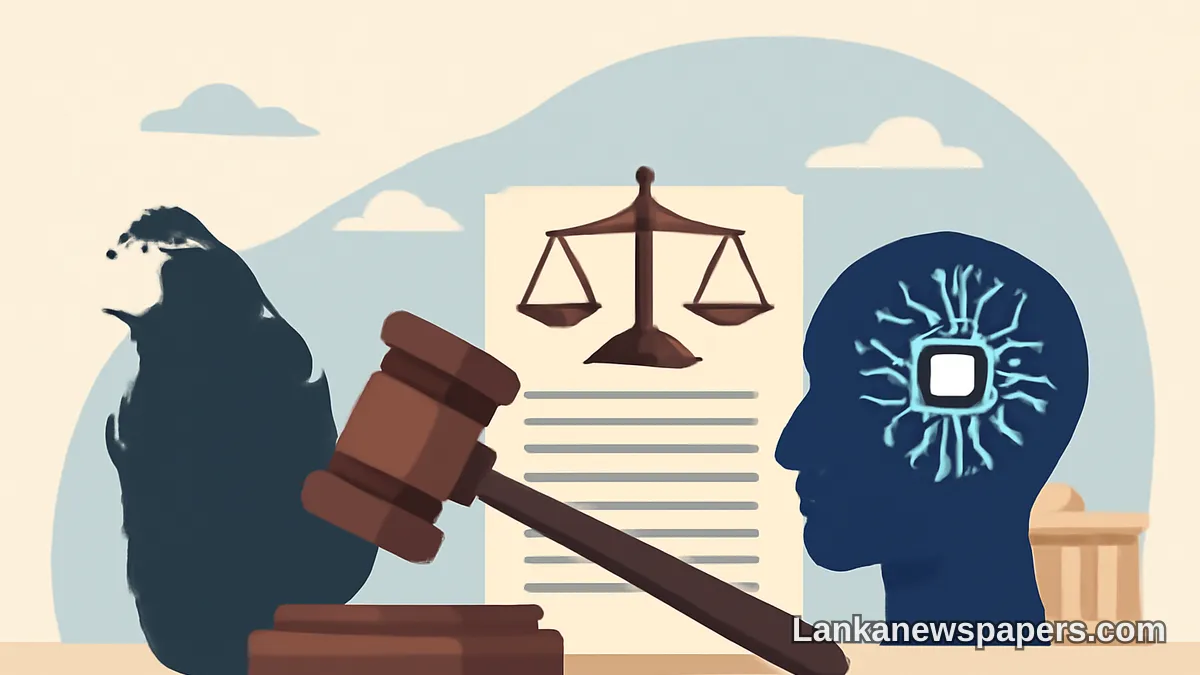
Island Nation Takes Bold Step Towards Technology-Driven Lawmaking
Sri Lanka is preparing to trial an artificial intelligence-assisted system for drafting legislation, marking a significant shift in how the country approaches its legal and parliamentary processes. The initiative signals a growing recognition among authorities that modern technology can play a meaningful role in strengthening governance and improving the efficiency of lawmaking.
What the Trial Involves
The planned pilot programme would see AI tools deployed to support the drafting of laws, a process that has traditionally been handled entirely by legal draftsmen and parliamentary officials. By integrating AI into this workflow, authorities hope to reduce the time and resources required to prepare legislative documents while also improving accuracy and consistency across legal texts.
Law drafting is a complex and highly technical undertaking, requiring precise language, careful interpretation of constitutional requirements, and close attention to how new legislation interacts with existing statutes. Proponents of the AI-assisted approach argue that machine learning tools are now sophisticated enough to provide meaningful support in this area, flagging potential conflicts, suggesting standardised legal phrasing, and accelerating the preparation of draft bills.
Part of a Broader Digital Governance Push
The move is consistent with Sri Lanka's broader efforts to modernise its public institutions and embrace digital solutions across government functions. In recent years, the country has taken steps to digitise various administrative services, and the introduction of AI into the legislative process would represent one of the most ambitious applications of that agenda to date.
- AI tools could help reduce bottlenecks in the legislative drafting process
- The technology may improve consistency and reduce ambiguities in legal language
- Human legal experts are expected to retain oversight throughout the process
Cautious Optimism Among Legal Observers
While the proposal has generated considerable interest, legal professionals and civil society observers are likely to scrutinise the initiative closely. Questions around accountability, transparency, and the adequacy of human oversight will be central to any public debate surrounding the trial. Critics may raise concerns about whether AI systems can fully grasp the nuances of Sri Lankan law, which draws from multiple legal traditions including Roman-Dutch, English common law, and customary law systems.
The integration of artificial intelligence into lawmaking processes represents both an opportunity and a responsibility — the technology must serve justice, not merely speed.
As the trial moves forward, stakeholders across the legal, political, and technology sectors will be watching closely to assess whether AI can genuinely enhance Sri Lanka's legislative capabilities or whether the complexities of lawmaking will demand a more cautious approach to its adoption.


💬 Join the Discussion 3
See what readers are saying — and add your view.
honestly if it reduces the backlog in parliament i am for it
our politicians cant even read the laws they pass, now AI writing them also?
at least AI wont take bribes no