Bangladesh's Shipbreaking Industry: Green Certifications Mask a Deadly Reality for Workers
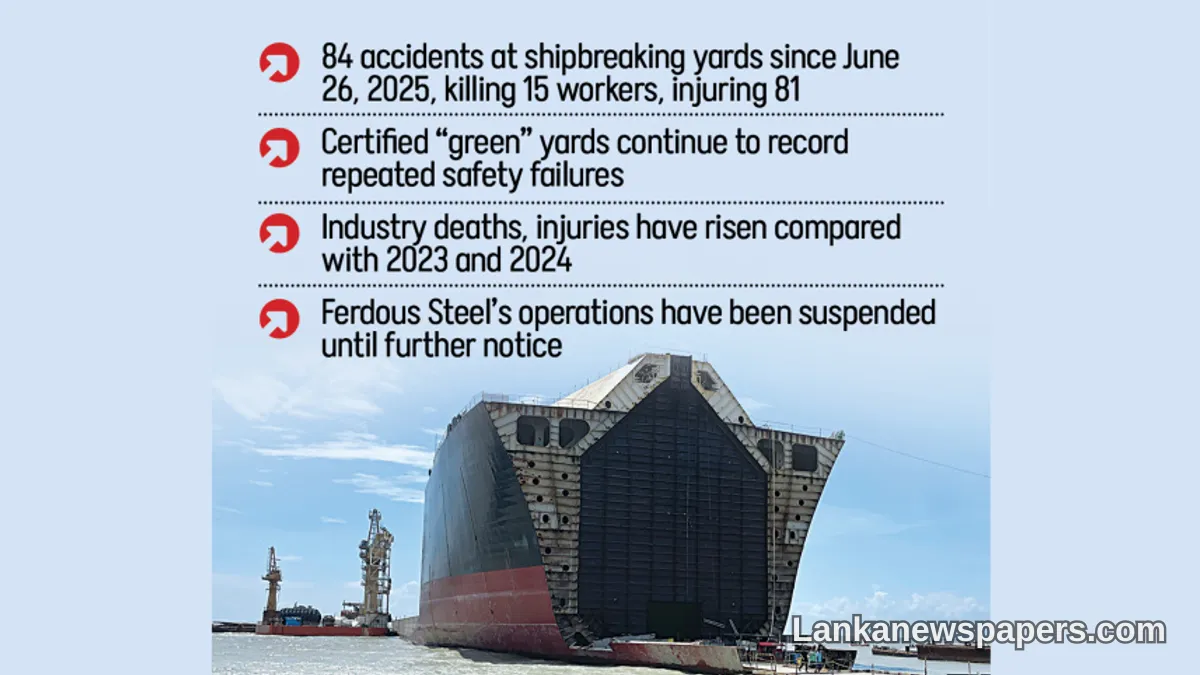
Bangladesh's shipbreaking industry has long been one of the most hazardous occupations in the world, and despite a growing number of facilities obtaining so-called "green" certifications, conditions on the ground remain perilous for the tens of thousands of workers who dismantle massive vessels along the country's coastline.
A Green Label That Falls Short
Many shipbreaking yards along Bangladesh's Chittagong coast have in recent years sought and received environmental and safety certifications, presenting themselves as responsible operations compliant with international standards. However, investigations and worker testimonies paint a starkly different picture — one where certification documents sit in office files while dangerous practices persist on the beach.
Workers continue to be exposed to toxic materials including asbestos, heavy metals, and flammable gases released during the cutting and dismantling of old ships. Fatal accidents, explosions, and occupational illnesses remain disturbingly common occurrences at these facilities.
Workers Bear the True Cost
For the labourers who carry out this gruelling work — many of whom migrate from Bangladesh's rural districts seeking employment — the gap between official safety standards and workplace reality can prove fatal. Personal protective equipment is often inadequate or entirely absent. Emergency medical response at many yards remains insufficient, meaning that injuries which could be treated quickly instead become life-threatening.
Labour rights advocates have repeatedly raised concerns that certifying bodies and international ship owners offloading ageing vessels to South Asian yards bear shared responsibility for the ongoing human cost of the industry.
A Regional and Global Concern
Bangladesh is not alone in this predicament. Neighbouring countries including India and Pakistan also operate large shipbreaking industries where similar contradictions between certified standards and actual working conditions have been documented. Together, these South Asian nations dismantle the majority of the world's end-of-life commercial vessels.
Environmental groups and international labour organisations have long called on shipping companies in Europe and elsewhere to ensure that vessels are recycled only at facilities that genuinely meet safety and environmental benchmarks — not merely those that hold certification on paper.
The Path Forward
Meaningful reform, advocates argue, requires more than paperwork. Genuine improvement demands:
- Rigorous, independent third-party audits of shipbreaking facilities
- Stronger enforcement of existing labour and environmental laws by the Bangladeshi government
- Greater accountability from international ship owners regarding where and how their vessels are scrapped
- Improved compensation and healthcare access for injured workers and the families of those killed
Until such measures are implemented and enforced with real consequence, industry observers warn that green certifications will continue to serve more as a marketing tool than a genuine guarantee of worker safety — and lives will continue to be lost in the shadow of that contradiction.



💬 Join the Discussion 4
See what readers are saying — and add your view.
poor ppl always suffer so rich ship owners can save money
this happens in Sri Lanka also no? our goverment also gives certificates without checking
green on paper only la. workers still dying, nothing changed
exactly. certifications are just for show to get contracts