Sri Lanka to Overhaul Tax Framework and Phase Out Additional Customs Levies by 2027
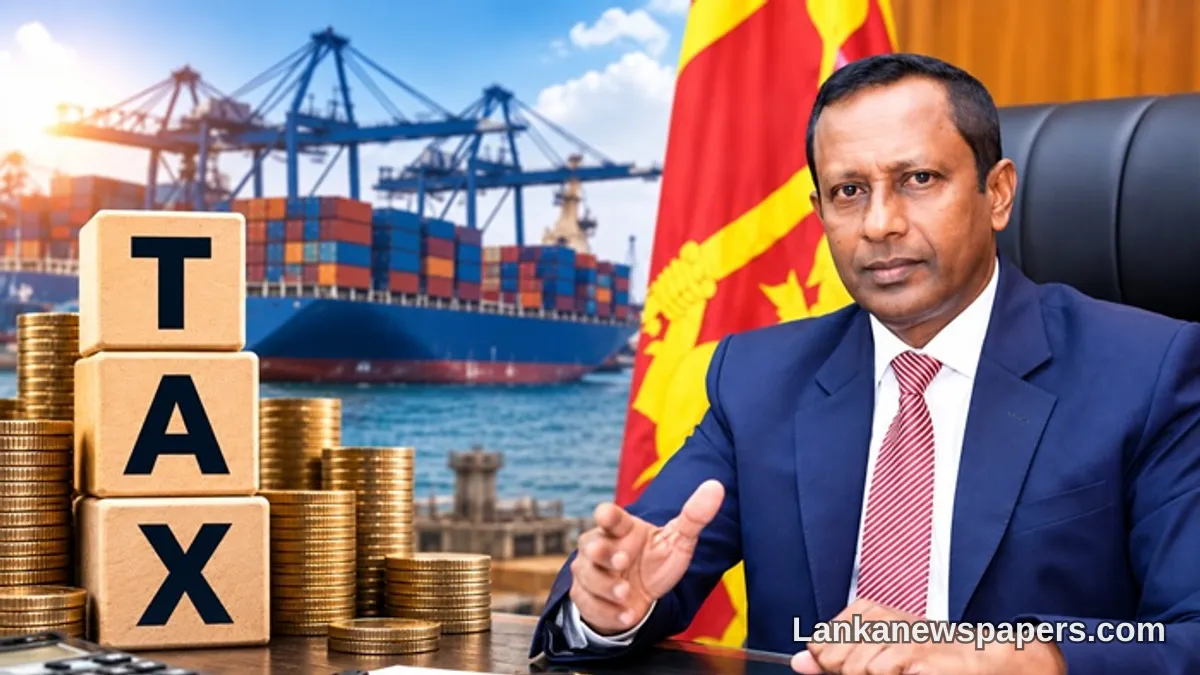
The Sri Lankan government has announced plans to introduce a streamlined and simplified tax system from 2027, with a key element of the reform being the gradual removal of additional levies currently imposed alongside standard Customs duties.
A Shift Towards Tax Simplification
Authorities have signalled that the overhaul is aimed at reducing the complexity that businesses and importers currently face when navigating the country's tax landscape. The presence of multiple additional charges layered on top of core Customs duties has long been a point of frustration for the private sector, and the proposed reforms seek to address these concerns in a structured and phased manner.
The initiative reflects a broader government push to modernise Sri Lanka's fiscal framework, improve transparency, and create a more predictable environment for both local businesses and foreign investors.
Phased Removal of Additional Customs Levies
Among the most significant aspects of the planned reform is the phased elimination of additional Customs levies that currently sit alongside standard import taxes. These supplementary charges have been widely criticised for inflating the cost of imported goods and adding layers of administrative burden to trade operations.
- The simplified tax structure is targeted for implementation from the year 2027.
- Additional Customs levies are expected to be removed gradually as part of the transition.
- The reform is designed to bring greater clarity and consistency to the country's import taxation regime.
Implications for Business and Trade
For Sri Lankan businesses that rely heavily on imports — from raw materials to consumer goods — the proposed changes could translate into reduced operational costs and improved competitiveness. A more transparent Customs duty structure is also expected to make it easier for foreign companies to assess the true cost of doing business in Sri Lanka, potentially encouraging greater investment into the island nation.
The move is widely seen as part of Sri Lanka's ongoing efforts to stabilise and strengthen its economy following the severe financial crisis the country experienced in recent years.
Economists and business leaders are expected to follow the rollout of this policy closely, with many calling for clear timelines and legislative commitments to ensure the reforms are implemented as promised. Further details on the specific levies to be removed and the precise phasing schedule are anticipated to be revealed in the coming months as the government refines its proposal ahead of the 2027 target.



💬 Join the Discussion 1
See what readers are saying — and add your view.
2027 means nothing will happen, they always delay these things