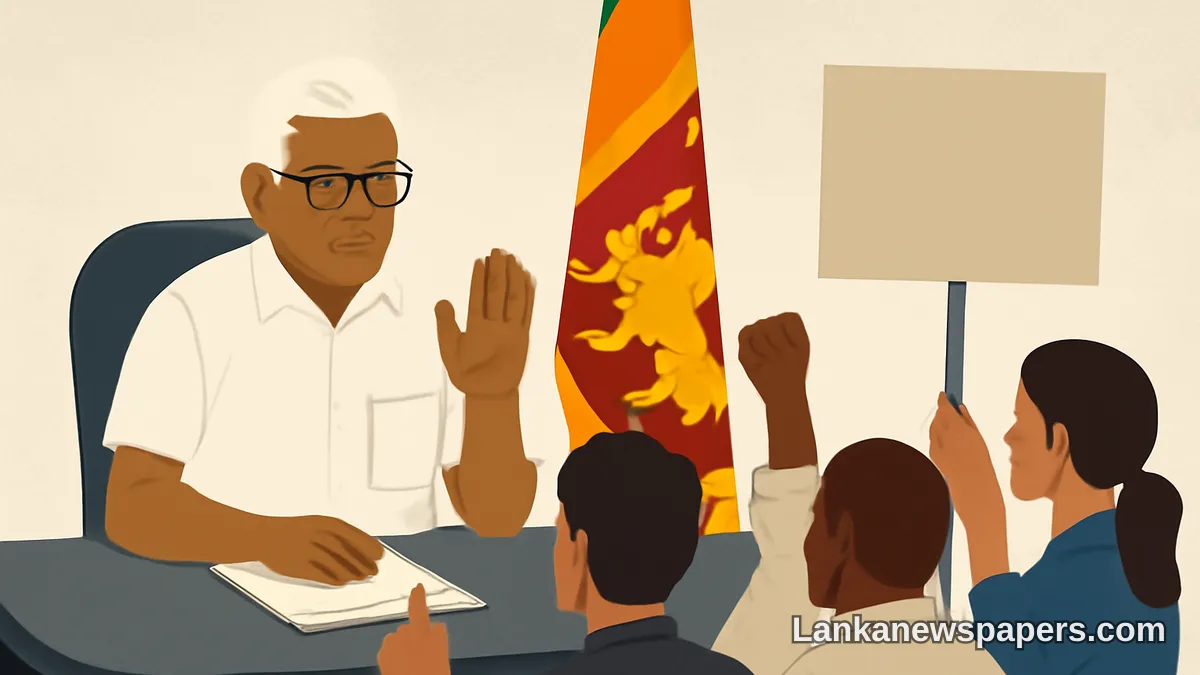
A coalition of trade unions and civil society organisations has formally urged President Anura Kumara Dissanayake to scrap his government's controversial proposal to introduce tripartite management of the Employees' Provident Fund (EPF), warning of serious repercussions if the plan proceeds.
Strong Opposition from Labour Groups
The coalition has made its position unequivocally clear, conveying its strong objection to the proposed restructuring of the EPF management framework directly to the President. The groups argue that the proposed tripartite arrangement poses significant risks to the retirement savings of millions of Sri Lankan workers who depend on the fund for their financial security.
The EPF, which is one of the largest provident funds in South Asia, holds the retirement savings of a vast number of Sri Lankan employees across both the public and private sectors. Any structural changes to its governance have long been considered a deeply sensitive matter by the country's labour movement.
Dire Consequences Feared
The unions have cautioned that moving forward with the tripartite management model could have far-reaching and damaging consequences for EPF members. Labour representatives maintain that the current oversight structure better safeguards the interests of workers and that introducing additional management layers could expose the fund to unnecessary political or commercial influence.
Civil society groups joining the appeal have echoed these concerns, emphasising that the retirement savings of ordinary Sri Lankans must not be subjected to governance experiments that lack broad stakeholder consensus.
Call for Presidential Intervention
The coalition has called on President Dissanayake to personally intervene and direct his administration to withdraw the proposal entirely. The groups stress that any reform to the EPF's management structure must be preceded by meaningful, transparent consultation with workers and their representatives rather than being imposed unilaterally.
The appeal reflects growing unease within Sri Lanka's labour movement over the direction of the government's economic reform agenda, particularly as it relates to institutions that directly affect the livelihoods and long-term financial wellbeing of the working population.
It remains to be seen whether the President will respond to the unions' demands or whether the government intends to press ahead with the proposed changes despite the mounting resistance from organised labour and civil society.



💬 Join the Discussion 4
See what readers are saying — and add your view.
someone explain what tripartite management actually means in simple terms pls
trade unions also have their own agenda no, cant trust them fully
our EPF money, we should have the say, not politicians
exactly, every goverment touches EPF and nothing good happens