Sri Lankan Refugees in Tamil Nadu: The Conditions That Must Be Met Before They Can Return Home
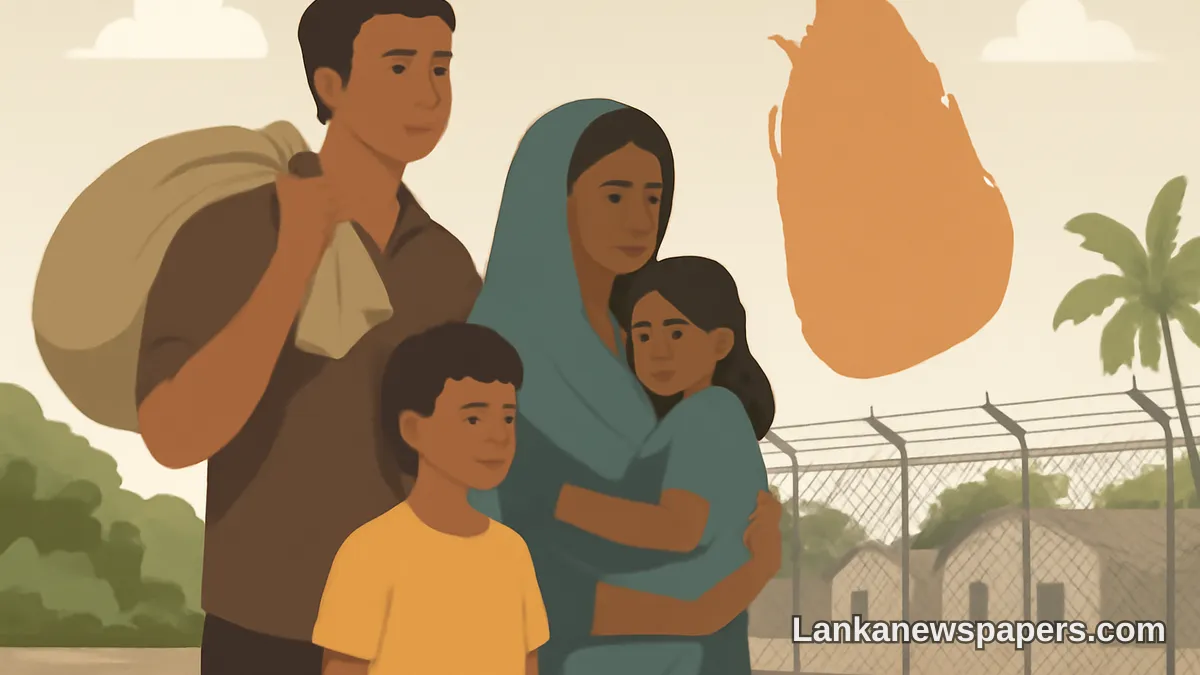
Decades of Displacement
Tens of thousands of Sri Lankan Tamil refugees who fled to Tamil Nadu during the devastating civil war continue to live in camps across the Indian state, many of them having spent decades waiting for a safe and dignified path back to their homeland. As Sri Lanka continues its post-war recovery, questions around the conditions necessary for their return have come to the forefront of public and political discourse.
Who Are the Refugees?
The majority of Sri Lankan refugees in Tamil Nadu fled during the height of the armed conflict between the Sri Lankan government and the Liberation Tigers of Tamil Eelam, which ended in May 2009. Many crossed the Palk Strait in search of safety, settling into refugee camps administered by the Indian government and the United Nations High Commissioner for Refugees. Estimates suggest that over 60,000 registered refugees remain in Tamil Nadu, with a significant number living outside official camps as well.
Key Conditions for Return
Authorities and humanitarian organisations have outlined several critical conditions that must be in place before a large-scale, voluntary repatriation can be considered safe and sustainable. These include:
- Guarantees of physical security and freedom from persecution upon return to Sri Lanka
- Access to land and housing, particularly in the Northern and Eastern provinces where many refugees originally lived
- Restoration of civil documentation, including national identity cards, which are essential for accessing government services
- Livelihood opportunities and economic stability to enable returning families to rebuild their lives
- Access to education and healthcare in resettlement areas
- A clear legal framework ensuring the rights of returnees are protected under Sri Lankan law
The Role of the Sri Lankan Government
The Sri Lankan government has periodically expressed its commitment to facilitating the return of refugees, including through formal repatriation programmes conducted in coordination with Indian authorities. However, civil society groups and Tamil diaspora organisations have raised concerns that the conditions on the ground in the North and East of Sri Lanka remain inadequate, with issues such as military presence in civilian areas, unresolved land disputes, and limited economic opportunities continuing to pose obstacles.
India's Position
India has maintained that any return must be voluntary, safe, and dignified, and has refrained from pushing refugees to repatriate before the necessary conditions are met. The Indian government, particularly the Tamil Nadu state administration, has played a central role in managing refugee welfare over the decades, a responsibility that carries significant political and humanitarian weight given the strong cultural and ethnic ties between Tamil Nadu and Sri Lankan Tamils.
A Long Road Ahead
For many refugees, the prospect of returning home remains deeply emotional and complicated. While some have voluntarily repatriated over the years, others remain hesitant, citing fears about safety, the loss of property, and uncertainty about their future in a country that witnessed some of the most brutal episodes of the civil war in its final stages.
For a lasting solution, observers stress that Sri Lanka must demonstrate concrete progress on reconciliation, accountability, and the political recognition of Tamil rights — not merely offer assurances on paper.
As Sri Lanka works to strengthen its democratic institutions and rebuild trust among all communities, the question of when and how these refugees can truly come home remains one of the most pressing unresolved legacies of the country's long civil conflict.


💬 Join the Discussion 2
See what readers are saying — and add your view.
after 30+ years still conditions? just let ppl come home no
easy to say but goverment needs to ensure their safety first