Sri Lanka Set to Link Commercial Battery Storage Systems to National Grid by September
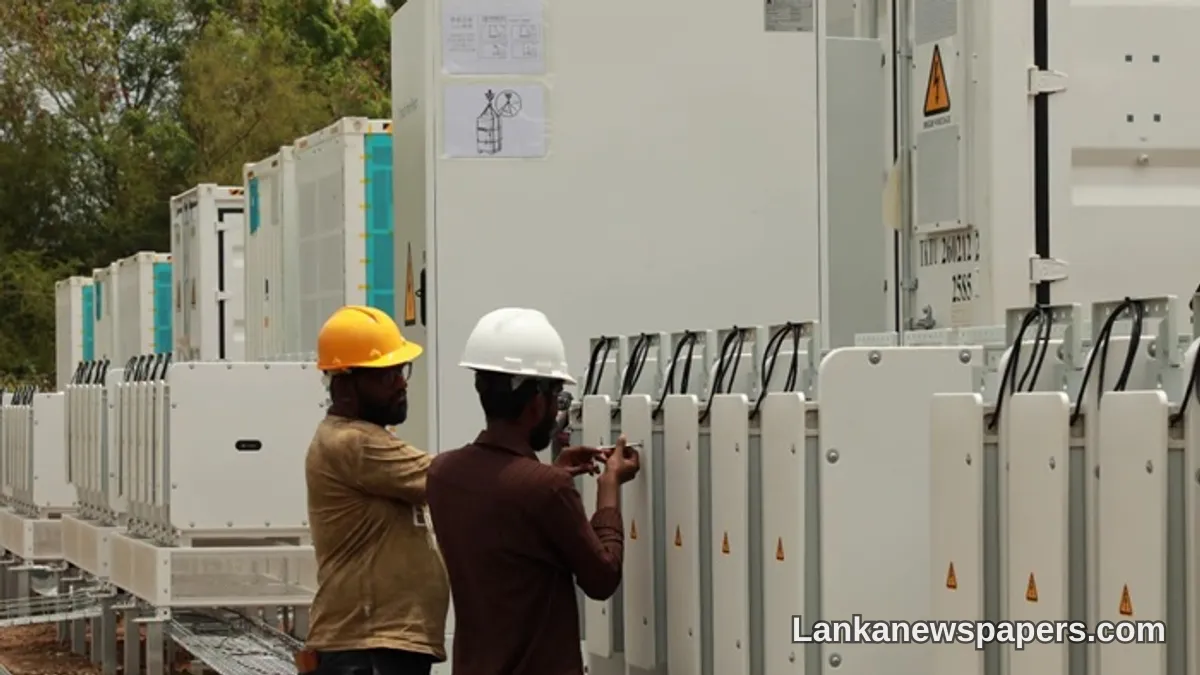
A Major Step Towards Energy Modernisation
Sri Lanka is poised to take a significant leap forward in its energy sector, with commercial-scale Battery Energy Storage Systems (BESS) expected to be connected to the national electricity grid as early as September this year. The move marks a pivotal moment in the island nation's efforts to modernise its power infrastructure and reduce dependence on fossil fuels.
What Are Battery Energy Storage Systems?
Battery Energy Storage Systems are large-scale technology solutions designed to store electrical energy and release it to the grid when demand is high or supply is low. They play a crucial role in stabilising power networks, particularly in countries that are increasingly incorporating renewable energy sources such as solar and wind into their electricity mix.
For Sri Lanka, which has faced persistent energy challenges in recent years — including crippling power cuts and soaring fuel import costs — the integration of BESS into the national grid represents a long-awaited and much-needed advancement.
Strengthening the National Grid
The connection of these systems to the national grid is expected to bring several key benefits to Sri Lanka's energy landscape, including:
- Greater grid stability and reduced frequency of power outages
- Improved capacity to store surplus renewable energy for peak-demand periods
- A reduction in the country's reliance on expensive thermal and diesel-powered generation
- Support for Sri Lanka's broader renewable energy targets and climate commitments
A Broader Vision for Renewable Energy
This development aligns with Sri Lanka's stated ambition to transition towards a cleaner and more sustainable energy future. The government has set ambitious targets to increase the share of renewable energy in the national power mix, and large-scale battery storage is considered an essential component of achieving that goal reliably and efficiently.
The integration of Battery Energy Storage Systems is widely regarded by energy experts as a critical enabler for countries looking to scale up renewable power without compromising grid reliability.
As September approaches, stakeholders in Sri Lanka's energy sector — from policymakers and utility providers to businesses and consumers — will be closely watching the rollout of this initiative, which could fundamentally reshape how electricity is generated, stored, and distributed across the country.



💬 Join the Discussion 3
See what readers are saying — and add your view.
what happens to the CEB workers if everything goes automatic like this
Finally some good news, hope they actually finish it by September this time
goverment deadlines lol, ill believe it when i see it