Oil Prices and Global Stocks Spike as Strait of Hormuz Closure Continues
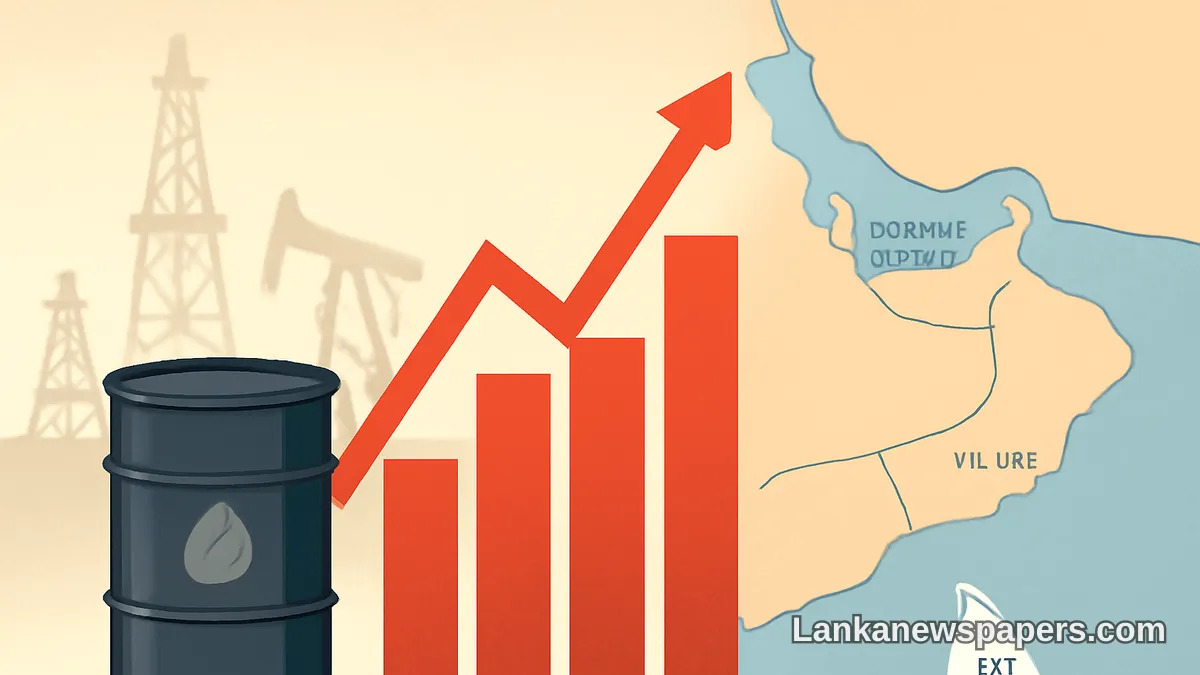
Global oil prices and stock markets have surged as prospects of a swift reopening of the Strait of Hormuz continue to fade, sending shockwaves through international energy markets and raising fresh concerns about supply disruptions worldwide.
Hopes of Reopening Diminish
The latest price spike follows a brief dip recorded last week, during which Tehran issued a set of demands directed at the United States as conditions for restoring access through the critical waterway. Iran's conditions reportedly include an end to military threats, the lifting of economic sanctions, and financial compensation before any reopening can be considered.
With negotiations appearing to stall and no immediate resolution in sight, traders and investors have reacted sharply, driving up crude prices and pushing stock valuations higher in energy-linked sectors.
A Chokepoint of Global Significance
The Strait of Hormuz is one of the world's most strategically vital maritime passages, through which a significant portion of the globe's oil supply is transported daily. Any prolonged closure carries profound implications for energy-dependent economies, including Sri Lanka, which relies heavily on fuel imports to sustain its power generation and transportation sectors.
- Oil prices have surged following reduced expectations of a near-term resolution
- Iran has set multiple conditions for reopening, including the removal of US sanctions
- Global stock markets have responded with notable gains in energy-related equities
- The standoff raises fears of prolonged supply constraints across Asia and beyond
Impact on Sri Lanka
For Sri Lanka, which is still navigating a fragile economic recovery following the 2022 financial crisis, rising global oil prices pose a renewed threat to the country's import bill and foreign exchange reserves. Higher fuel costs could translate into increased prices for electricity, transport, and essential goods, placing additional pressure on households already grappling with the elevated cost of living.
Analysts warn that if the Strait of Hormuz remains closed for an extended period, the ripple effects on Asian economies, including Sri Lanka, could be severe and difficult to contain.
Authorities and energy policymakers in Colombo are expected to monitor the situation closely as diplomatic efforts between Washington and Tehran remain uncertain, with no confirmed timeline for a breakthrough.



💬 Join the Discussion 0
Be the first to share your view on this story.