The Limits of Sri Lanka's Acknowledgement: A Critical Look at Accountability and Truth
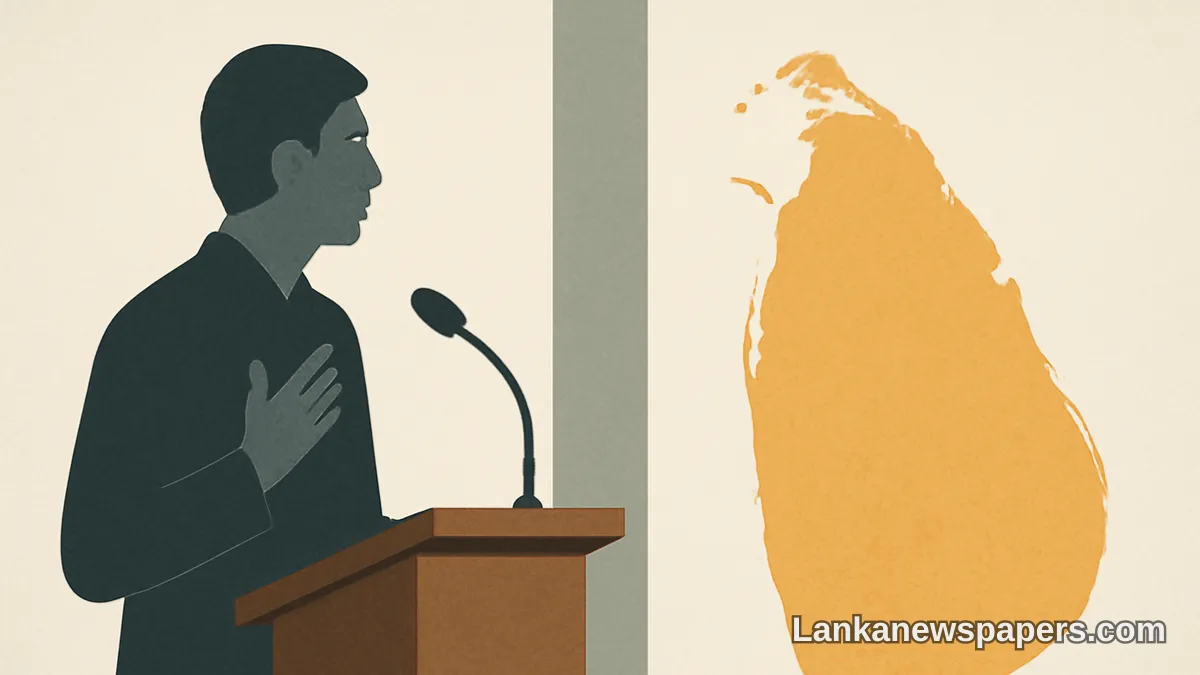
A Nation Still Grappling With Its Past
Decades after the end of Sri Lanka's brutal civil war, the question of accountability remains as contested as ever. What the Sri Lankan state is willing to admit — and what it steadfastly refuses to — continues to shape the country's relationship with its Tamil community, international partners, and its own conscience.
Selective Acknowledgement
Sri Lanka's governments, across multiple administrations, have demonstrated a carefully managed approach to acknowledging the atrocities of the conflict. Broad, generalised expressions of regret have occasionally been offered, yet these have consistently stopped short of specific admissions regarding the conduct of the military during the final stages of the war in 2009, when tens of thousands of Tamil civilians are believed to have perished.
This pattern of selective acknowledgement has frustrated Tamil communities both within Sri Lanka and in the diaspora, who continue to demand a full reckoning with what occurred in the war's closing months. For many, vague gestures of reconciliation ring hollow without concrete accountability measures attached to them.
International Pressure and Domestic Resistance
The United Nations Human Rights Council has repeatedly called on Sri Lanka to establish credible, independent accountability mechanisms. Sri Lanka has responded with promises of domestic inquiries, several of which have been initiated over the years, yet none have produced outcomes that satisfy international human rights standards or the expectations of Tamil victims and their families.
The tension between international demands and domestic political realities is stark. Any government in Colombo that moves too aggressively toward accountability risks backlash from nationalist constituencies and from within the powerful defence establishment — a political calculation that has consistently tilted against justice.
What Cannot Be Admitted
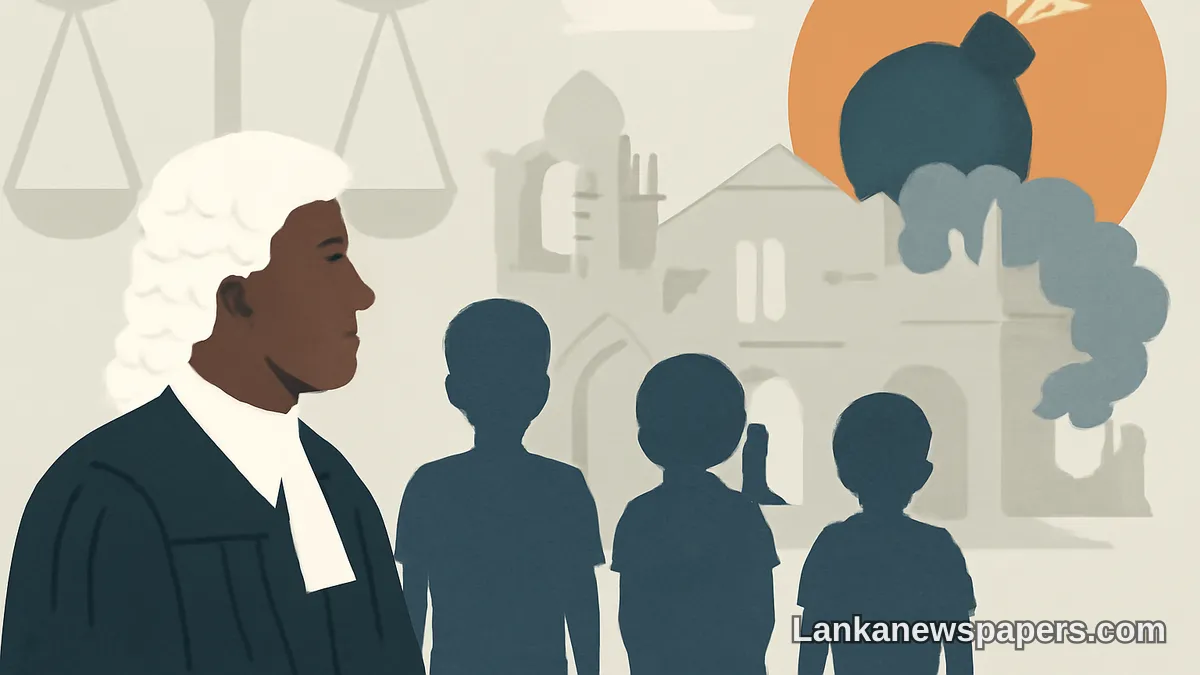
At the heart of the matter lies a fundamental question: can Sri Lanka admit to war crimes? The political and legal consequences of doing so would be enormous. Admitting systematic targeting of civilians, the shelling of hospitals, or the execution of surrendering combatants would open the door to international prosecution and fundamentally alter the state's narrative of a heroic military victory over terrorism.
- Allegations of the deliberate shelling of civilian safe zones and hospitals
- Enforced disappearances of thousands of Tamil individuals in the conflict's aftermath
- The treatment of surrendered LTTE cadres and their alleged extrajudicial killing
- Sexual violence perpetrated against Tamil women in military custody
These are the areas where Sri Lanka's admissions have never ventured — and where the gap between truth and official narrative remains widest.
Reconciliation Without Truth
Successive governments have promoted reconciliation as a national priority, yet genuine reconciliation without truth-telling is widely regarded by experts and civil society organisations as an impossibility. The Tamil community, in particular, has grown deeply sceptical of reconciliation frameworks that do not begin with honest acknowledgement of what was done to them.
For survivors, the absence of truth is itself a form of ongoing violence — a denial of their lived experience and the suffering of those they lost.
Sri Lanka finds itself at a familiar crossroads. The path toward genuine peace requires difficult admissions that the state has thus far been unwilling to make. Until that changes, the wounds of the war will remain open, and the promise of lasting reconciliation will continue to feel distant for the Tamil people of this island.
The Way Forward
Meaningful progress will require political courage of a kind that Sri Lankan leadership has rarely demonstrated on this issue. It will require prioritising justice and historical truth over short-term political comfort. And it will require listening, genuinely and respectfully, to those whose lives were shattered by a conflict whose full human cost the state has yet to truly acknowledge.
💬 Join the Discussion 4
See what readers are saying — and add your view.
what exactly are they expecting us to admit? everything cannot be on one side only
how many years now and still no proper truth telling. ppl are tired
Tamil Guardian la? of course they wont say anything good about our goverment
doesnt mean they are wrong though. accountability is accountability.