Colombo Treads Carefully on Tamil Issues, Fearing Backlash from Sinhala Majority
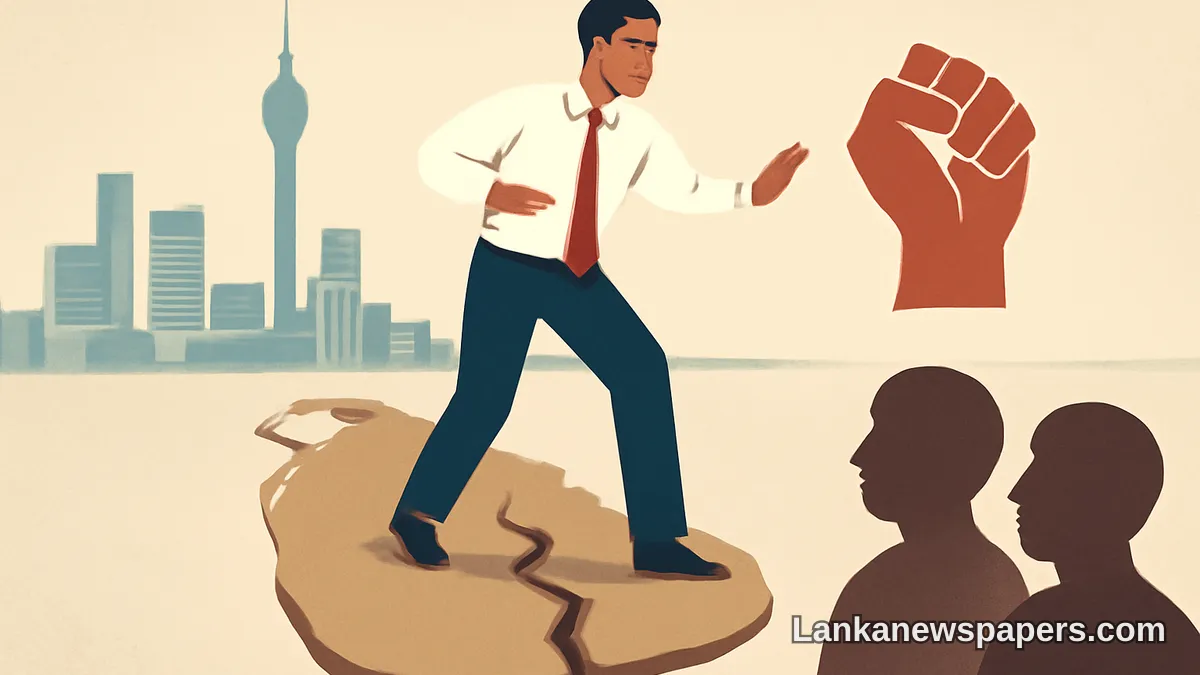
Government Avoids Tamil Grievances Amid Political Sensitivities
Sri Lanka's government continues to handle Tamil political issues with extreme caution, analysts say, as fear of a backlash from the country's Sinhala majority appears to be shaping key policy decisions and preventing meaningful progress on long-standing ethnic grievances.
A Delicate Balancing Act
Despite repeated calls from Tamil political leaders and civil society groups for concrete action on issues including land return, political devolution, and accountability for wartime conduct, the administration has largely avoided taking bold steps. Observers note that successive governments in Colombo have historically been reluctant to move decisively on Tamil concerns, wary that doing so could provoke a strong political reaction among Sinhala voters, who make up the largest share of the electorate.
This pattern appears to be continuing under the current administration, which faces the challenging task of managing competing communal expectations while also navigating a fragile economic recovery.
Key Tamil Concerns Left Unaddressed
Among the most pressing issues flagged by Tamil community representatives are the following:
- The delayed return of military-occupied land in the Northern and Eastern provinces
- The lack of meaningful progress on a political solution that devolves greater power to Tamil-majority regions
- Unresolved questions of accountability and truth-seeking related to the final stages of the civil war
- The continued presence of security forces in civilian areas of the North and East
Political Calculations at Play
Political analysts argue that electoral arithmetic remains a central obstacle to resolving these issues. With Sinhala Buddhist nationalist sentiment remaining a potent force in Sri Lankan politics, any government seen as making significant concessions to Tamil demands risks alienating a crucial voter base.
Governments in Colombo have consistently prioritised short-term electoral considerations over long-term ethnic reconciliation, a cycle that has left Tamil communities feeling marginalised for decades.
Tamil political parties have expressed frustration at what they describe as a pattern of promises made during election campaigns that fail to translate into genuine policy action once a government takes office.
International Pressure Continues
Sri Lanka continues to face scrutiny from international bodies, including the United Nations Human Rights Council, over its progress on reconciliation and accountability. While the government has pledged cooperation with international mechanisms, critics argue that domestic political considerations are hampering any substantive movement on the ground.
For Tamil communities in the North and East, the wait for justice, recognition, and equitable political representation continues — caught between the slow wheels of Colombo's political process and the ever-present weight of majority sentiment.

💬 Join the Discussion 0
Be the first to share your view on this story.