Sri Lanka's Dengue Crisis Deepens as Case Count Approaches 87,000, Western Province Hardest Hit
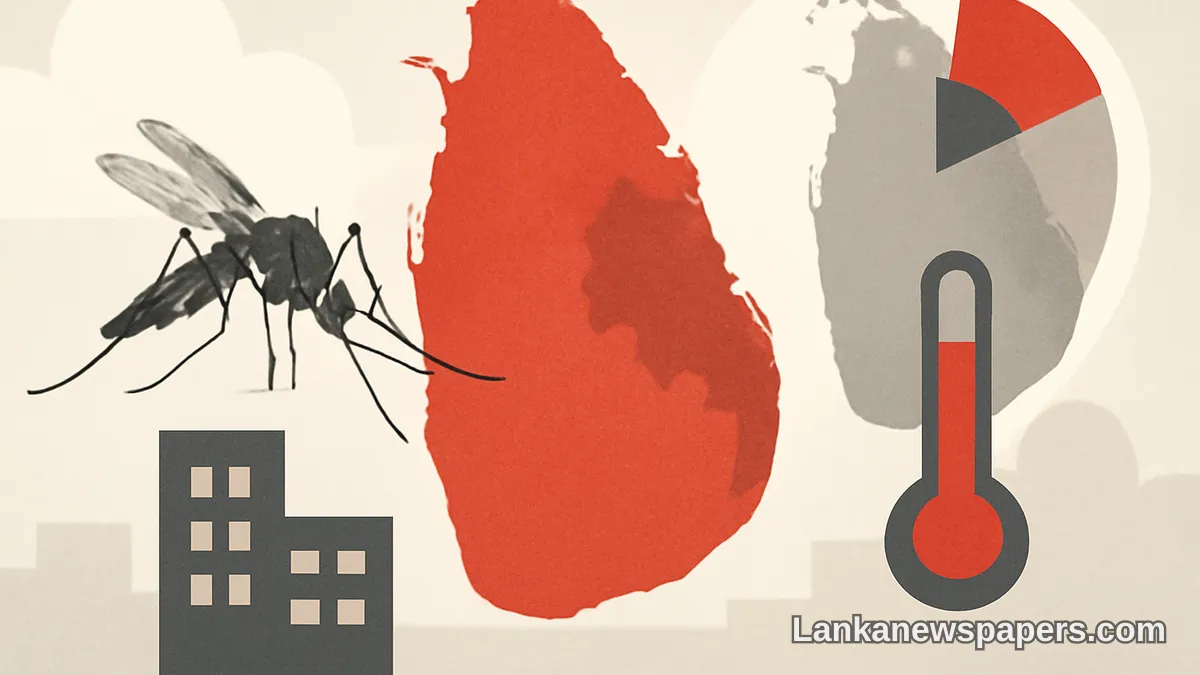
Sri Lanka is grappling with a worsening dengue situation as the total number of reported cases across the country edges closer to 87,000, with the Western Province continuing to bear the heaviest burden of the outbreak.
A Mounting Public Health Emergency
Health authorities are on high alert as dengue fever cases surge island-wide, placing significant pressure on medical facilities and community health programmes. The scale of the outbreak has raised serious concerns among officials and public health experts, who are urging citizens to take immediate preventive action.
The Western Province, which encompasses the Colombo, Gampaha, and Kalutara districts, has recorded the highest concentration of cases, a pattern consistent with previous dengue seasons given the region's dense urban population and environmental conditions that are conducive to mosquito breeding.
Why the Western Province Remains Most Vulnerable
Experts point to several factors that make the Western Province particularly susceptible to dengue transmission, including:
- High population density in urban and semi-urban areas
- Inadequate drainage systems and stagnant water accumulation
- Construction sites and abandoned properties that harbour breeding grounds
- Increased movement of people across districts
Public Urged to Act Immediately
Health officials are calling on households, businesses, and community organisations to eliminate potential mosquito breeding sites without delay. Simple but effective measures — such as clearing blocked gutters, disposing of water-collecting containers, and using mosquito repellents — can make a meaningful difference in curbing the spread of the disease.
Citizens are reminded that dengue is preventable, and collective community action remains one of the most powerful tools in controlling the spread of the virus.
Medical authorities have also advised the public to seek immediate treatment if symptoms such as high fever, severe headaches, pain behind the eyes, joint and muscle pain, or skin rashes develop, as early medical intervention significantly improves patient outcomes.
Authorities Ramping Up Response Efforts
Government health teams have been deployed to conduct awareness campaigns, inspection drives, and fogging operations in high-risk areas. Hospitals across the affected provinces have been placed on standby to manage the rising patient load, with additional resources being directed toward dengue care units.
As Sri Lanka approaches what is traditionally a peak period for vector-borne diseases, health officials are stressing that sustained public vigilance is essential to preventing the outbreak from escalating further.



💬 Join the Discussion 3
See what readers are saying — and add your view.
Colombo area always worst hit. drainage system is a joke no.
87,000 cases and goverment still doing nothing properly. shameful.
what do you expect, every year same thing after rains