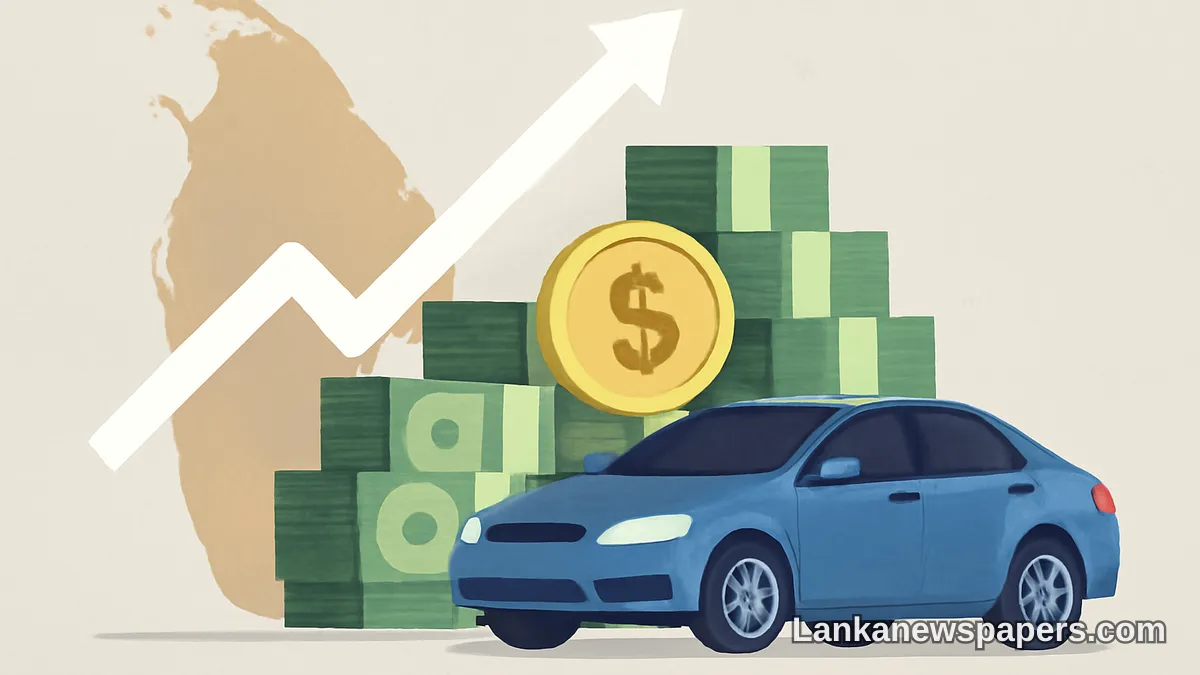
Surge in Vehicle Spending Raises Economic Eyebrows
Sri Lanka spent a substantial US$182 million on vehicle imports during the month of June, according to the latest available data, signalling a notable uptick in demand for automobiles following the easing of import restrictions that had been in place during the country's severe economic crisis.
A Reflection of Recovering Consumer Demand
The figures point to a rebound in consumer purchasing power and business confidence, as Sri Lankans return to the market for both personal and commercial vehicles. The island nation had imposed strict curbs on vehicle imports as part of emergency measures introduced during the 2022 foreign exchange crisis, which left the country unable to finance essential goods including fuel and medicine.
The gradual relaxation of those restrictions has since opened the floodgates for pent-up demand, with June's import expenditure serving as a clear indicator of how swiftly the appetite for vehicles has returned.
Pressure on Foreign Reserves
While the spending surge reflects improved economic conditions, analysts and policymakers are likely to monitor such figures closely. Sri Lanka has been working hard to rebuild its foreign reserves under an International Monetary Fund programme, and large outflows for non-essential imports could place renewed pressure on the country's external accounts.
- Vehicle imports were banned or heavily restricted during Sri Lanka's 2022 economic crisis.
- June 2025 saw US$182 million spent on vehicle imports alone.
- The country continues to operate under an IMF-supported economic recovery programme.
Balancing Growth and Fiscal Prudence
The government faces the delicate task of allowing a normalisation of trade activity — which supports revenue through taxes and duties — while ensuring that the hard-won improvements in foreign reserve levels are not eroded by a rapid rise in import expenditure.
Sri Lanka's vehicle import bill for June alone reaching US$182 million underscores both the resilience of consumer demand and the ongoing challenges of managing an economy in recovery.
Economists are expected to weigh in on whether such levels of vehicle spending are sustainable within the current macroeconomic framework, particularly as the country prepares for upcoming IMF review assessments.



💬 Join the Discussion 0
Be the first to share your view on this story.