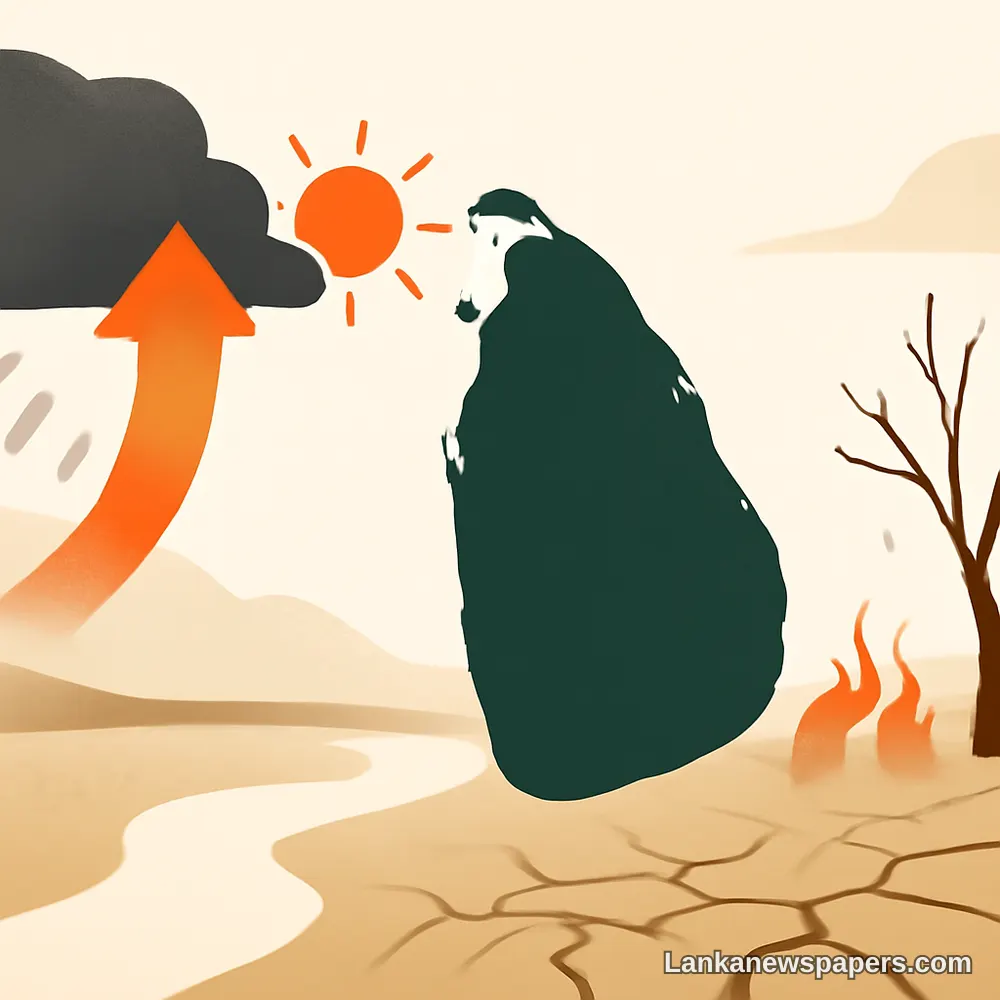
Authorities Issue Warning as El Niño Threatens to Disrupt Weather Patterns Across the Island
Sri Lanka has been placed on alert following warnings from meteorological authorities about the growing threat posed by a strengthening El Niño weather pattern, which could bring significant disruptions to the island nation's climate conditions in the coming months.
El Niño, the periodic warming of surface temperatures in the central and eastern Pacific Ocean, is known to trigger dramatic shifts in weather patterns across the globe, and Sri Lanka is no stranger to its potentially damaging consequences. The phenomenon has historically been associated with prolonged dry spells, reduced rainfall during key monsoon seasons, and heightened risks of drought across vulnerable agricultural regions.
What This Means for Sri Lanka
The warning comes at a critical time for the country, which relies heavily on consistent rainfall to sustain its agricultural sector, maintain reservoir levels, and support hydroelectric power generation. A strong El Niño event could place considerable strain on all three of these vital areas.
- Reduced monsoon rainfall affecting paddy cultivation and other crops
- Declining water levels in reservoirs used for drinking water and irrigation
- Potential reduction in hydroelectric power output
- Increased risk of drought conditions in dry zone districts
Preparedness Urged Across Sectors
Officials and relevant agencies are being urged to take proactive measures to mitigate the impact of the anticipated weather shift. Farmers, water resource managers, and disaster preparedness authorities have been called upon to plan accordingly and avoid being caught off guard should conditions deteriorate rapidly.
Sri Lanka has previously experienced the adverse effects of strong El Niño cycles, with certain episodes resulting in food shortages, water scarcity, and economic setbacks — particularly in rural communities that depend on rain-fed agriculture for their livelihoods.
Timely preparedness and coordinated action across government institutions will be essential in minimising the human and economic cost of a prolonged El Niño event.
Meteorological experts continue to monitor developments closely, and further advisories are expected to be issued as the situation evolves. The public is encouraged to stay informed through official channels and take necessary precautions, especially those in regions most susceptible to drought and water shortages.


💬 Join the Discussion 4
See what readers are saying — and add your view.
can someone explain what el nino actually does to our rainfall here
goverment will wait till flood comes then cry for aid as usual
every year some warning comes nothing happens after
true no but this time they saying very strong one, better prepare