Sri Lanka Moves to Regulate Cryptocurrency, SEC Named as Official Watchdog
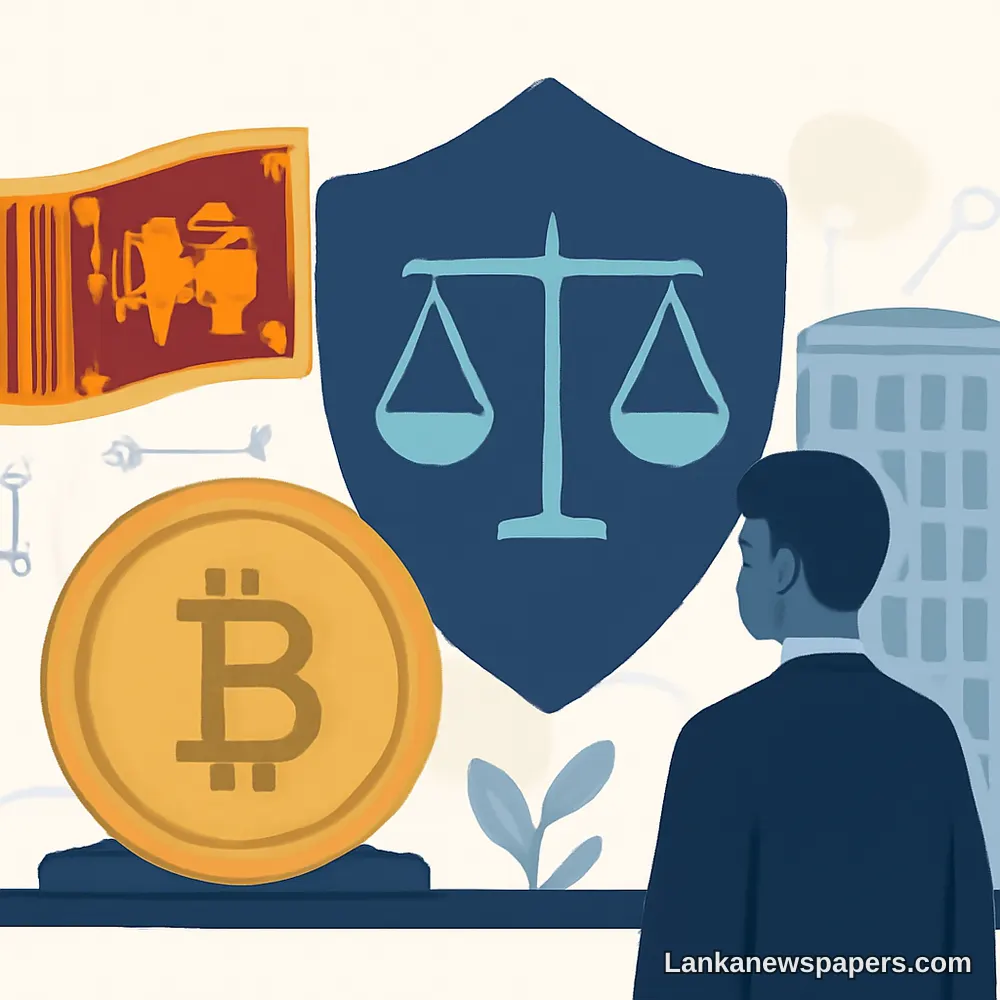
Sri Lanka has taken a landmark step toward bringing cryptocurrency and digital assets under formal government oversight, with authorities approving a proposal to designate the Securities and Exchange Commission (SEC) as the official regulatory body for Virtual Assets and Virtual Asset Service Providers (VASPs).
A New Era for Digital Asset Oversight
The decision marks a significant shift in Sri Lanka's approach to the rapidly growing crypto sector, which has until now operated largely outside the framework of formal financial regulation. By empowering the SEC to oversee virtual assets and the platforms that facilitate their trading, the government aims to bring much-needed structure and accountability to the industry.
The move positions the SEC — already responsible for regulating the country's capital markets and securities industry — as the central authority tasked with supervising crypto trading platforms, digital asset exchanges, and other virtual asset service providers operating within Sri Lanka.
Why This Matters
The decision is expected to have wide-ranging implications for both local and foreign crypto businesses operating in the country. Under the new framework, VASPs will likely be required to register with and adhere to standards set by the SEC, bringing them in line with the kind of compliance obligations that govern traditional financial institutions.
For ordinary Sri Lankan investors who have been participating in crypto markets without formal consumer protections, the regulatory framework is expected to offer greater security and recourse in the event of disputes or platform failures.
Aligning with Global Standards
Sri Lanka's move mirrors a broader global trend, as governments and financial regulators worldwide race to establish clear legal frameworks for virtual assets. International bodies such as the Financial Action Task Force (FATF) have long urged member countries to regulate VASPs in order to combat money laundering, terrorist financing, and other financial crimes linked to unregulated crypto activity.
Bringing Sri Lanka's crypto sector under SEC supervision is widely seen as a step toward aligning the country with internationally recognised standards of financial governance — an important consideration as Sri Lanka continues to rebuild its economy and restore confidence among global investors and creditors.
What Comes Next
While the approval of the proposal represents a crucial first step, the practical implementation of the regulatory framework will be closely watched by industry stakeholders. Key questions remain around licensing requirements, compliance timelines, and the specific rules that will govern how virtual asset platforms conduct business in Sri Lanka.
The SEC is expected to issue further guidance as the regulatory architecture takes shape, with the crypto industry and investor community alike keenly awaiting the finer details of how oversight will be enforced.



💬 Join the Discussion 0
Be the first to share your view on this story.