Dengue Crisis Deepens in Sri Lanka as Cases Surpass 82,000 in 2026, Western Province Bears Brunt
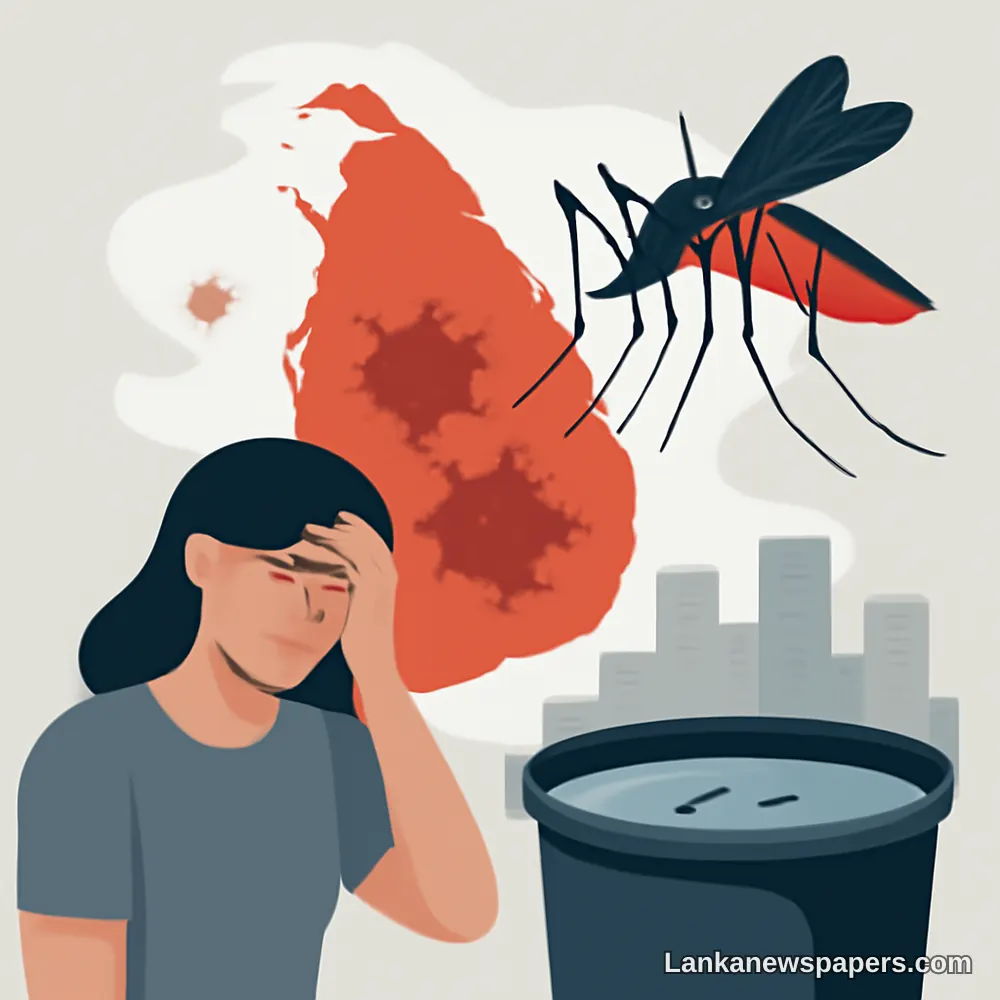
Island-wide dengue surge raises serious public health concerns
Sri Lanka is facing a worsening dengue outbreak in 2026, with recorded cases across the country surpassing the 82,000 mark, health authorities have confirmed. The alarming figure has prompted renewed calls for urgent preventive action from both government bodies and public health officials.
Western Province hardest hit
Among all provinces, Western Province has emerged as the worst affected region, accounting for a disproportionately high share of the total caseload. The densely populated province, which includes the commercial capital Colombo, presents ideal conditions for the Aedes aegypti mosquito to breed, particularly in urban and semi-urban areas where stagnant water accumulates easily.
A growing public health emergency
Health experts have long warned that rapid urbanisation, inadequate waste management, and inconsistent vector control measures contribute significantly to the spread of dengue in Sri Lanka. The current trajectory of infections in 2026 suggests the situation could deteriorate further if immediate and coordinated intervention is not undertaken.
Key risk factors fuelling the outbreak include:
- Accumulation of stagnant water in urban settlements and construction sites
- Inadequate disposal of used containers, tyres, and household waste
- Inconsistent fogging and larviciding programmes
- Limited community awareness and engagement in prevention efforts
Authorities urge public vigilance
Health authorities have urged residents across all provinces — particularly those in Western Province — to take proactive steps to eliminate mosquito breeding sites around their homes, workplaces, and schools. Early identification of dengue symptoms, including high fever, severe headaches, pain behind the eyes, and joint and muscle pain, is critical to ensuring timely medical attention and preventing fatalities.
Dengue is preventable. Every household has a role to play in eliminating breeding sites and protecting their communities from this potentially deadly disease.
Hospitals and healthcare facilities are also being placed on heightened alert to manage the increasing patient load effectively, as the outbreak continues to strain the country's public health infrastructure.
Call for a national response
Public health advocates are pressing for a more robust and sustained national response, including stronger inter-agency coordination, greater investment in vector control, and intensified awareness campaigns targeting high-risk communities. With Sri Lanka's dengue burden already exceeding 82,000 cases well within 2026, swift and decisive action remains essential to curbing the outbreak before it escalates further.

💬 Join the Discussion 4
See what readers are saying — and add your view.
my cousin in Colombo just got dengue last week. this is getting serious ppl
western province always gets it bad because of the population density
82,000 cases and goverment still talking only. clean the drains no?
exactly. my street has standing water for weeks, nobody comes