US Embassy Steps Up to Fight Dengue Crisis with New Public Health Initiative in Sri Lanka
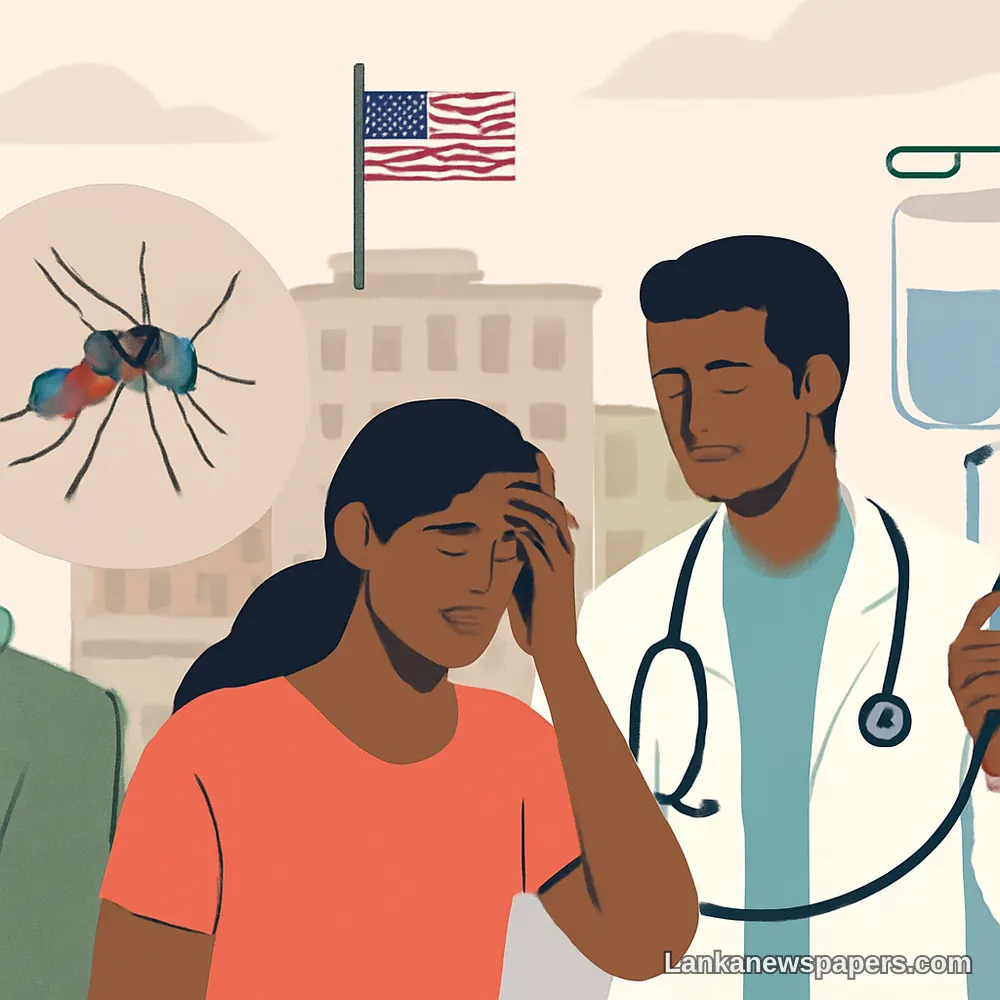
The United States Embassy in Colombo has launched a new public health programme aimed at bolstering Sri Lanka's ongoing efforts to combat the country's persistent dengue fever crisis, signalling a strengthened commitment to bilateral health cooperation between the two nations.
A Timely Intervention
Dengue fever has long posed a serious public health challenge for Sri Lanka, with the island nation recording thousands of cases annually across its provinces. The disease, transmitted through the bite of the Aedes mosquito, places significant strain on the country's healthcare infrastructure, particularly during peak transmission seasons tied to the monsoon rains.
The newly introduced programme by the US Embassy is designed to provide targeted support to Sri Lanka's national dengue response, complementing the work already being carried out by local health authorities and the Ministry of Health.
Strengthening Health Systems
The initiative is expected to focus on key areas critical to controlling the spread of dengue, including:
- Enhancing disease surveillance and early warning systems
- Supporting community-level awareness and prevention campaigns
- Strengthening the capacity of public health workers on the ground
- Improving diagnostic and response capabilities across affected regions
A Partnership Rooted in Shared Goals
The launch of this programme reflects the broader commitment of the United States to supporting public health resilience in Sri Lanka. Health cooperation has become an increasingly important pillar of the bilateral relationship, particularly in the wake of challenges posed by infectious diseases that cut across borders and communities.
The programme underscores the United States' dedication to standing alongside Sri Lanka in protecting the health and wellbeing of its people.
Sri Lankan health officials have welcomed the support, noting that international partnerships play a vital role in strengthening the country's capacity to respond to vector-borne diseases effectively.
The Dengue Burden in Sri Lanka
Dengue remains one of the most significant mosquito-borne health threats in Sri Lanka. Outbreaks have historically affected densely populated urban areas as well as rural communities, with children and young adults among the most vulnerable groups. The disease can escalate rapidly into severe dengue, leading to hospitalisation and, in the worst cases, fatalities.
With the support of international partners such as the United States, health authorities hope to make measurable progress in reducing transmission rates, improving patient outcomes, and ultimately bringing the dengue burden in Sri Lanka under greater control.

💬 Join the Discussion 1
See what readers are saying — and add your view.
finally someone doing something, our goverment was just sitting quietly