Why Locking In America's 10% Tariff Rate Could Be Sri Lanka's Economic Lifeline
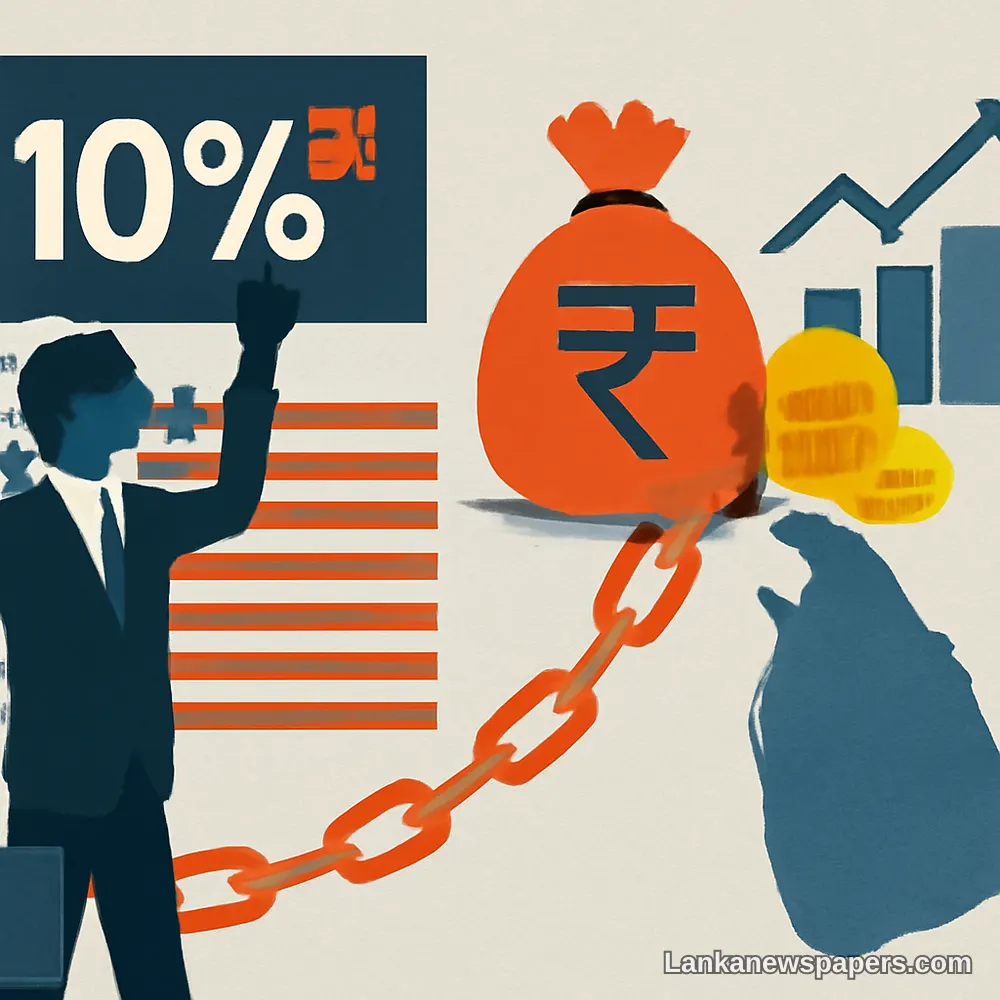
As global trade tensions continue to reshape international commerce, Sri Lanka finds itself at a critical crossroads — one where securing a lower United States tariff rate of 10% could prove to be a defining economic advantage for the island nation in the years ahead.
The Tariff Landscape and Sri Lanka's Position
The United States, under its evolving trade policy framework, has introduced a tiered tariff structure that places different countries at varying levels of import duty. Sri Lanka, which had been facing significantly higher proposed tariff rates, now has the opportunity to consolidate its position within the lower 10% bracket — a development that trade analysts and government officials regard as strategically vital.
For a country still navigating its recovery from one of its worst economic crises in modern history, retaining preferential access to the American market is far more than a diplomatic footnote. It is a direct lifeline to thousands of Sri Lankan workers and dozens of export-dependent industries.
Apparel and Beyond: Sectors Standing to Gain
Sri Lanka's export economy is heavily anchored in the apparel and textile sector, which accounts for a substantial share of the country's foreign exchange earnings. The United States remains one of the largest destination markets for Sri Lankan garments, and any significant increase in tariffs would have immediately eroded the competitive pricing that local manufacturers depend upon.
- The apparel and textile industry employs hundreds of thousands of Sri Lankans, many of them women from rural communities.
- Rubber-based products, including tyres and surgical gloves, represent another key export category that benefits from stable US market access.
- Specialty teas and processed food products also stand to gain from a sustained low-tariff environment.
By remaining within the 10% tariff tier, Sri Lankan exporters avoid the kind of cost escalation that would force American buyers to seek alternative suppliers from other competing nations.
A Competitive Edge Over Regional Rivals
Perhaps the most strategically significant dimension of this development is how it positions Sri Lanka relative to its regional competitors. Countries facing higher tariff brackets will see their goods become comparatively more expensive in the American market, creating a natural opening for Sri Lankan products to capture greater market share.
In international trade, a tariff advantage is not merely a financial benefit — it is a signal of reliability and diplomatic standing that attracts long-term investment and buyer confidence.
Bangladesh, Vietnam, and Cambodia — all significant competitors in the global apparel supply chain — are among the nations grappling with higher proposed US tariff rates. This gives Sri Lanka an uncommon window of opportunity to deepen trade relationships with American retailers and importers who are actively seeking stable, lower-cost sourcing alternatives.
Implications for Investment and Economic Recovery
Beyond the immediate export benefits, securing the 10% rate sends a broader message to international investors. It demonstrates that Sri Lanka is capable of maintaining constructive trade relations with the world's largest economy even amid global protectionist pressures — a reassurance that matters enormously to foreign direct investment decisions.
For the Sri Lankan government, which has been working to stabilise the economy following the 2022 financial crisis and subsequent IMF-supported recovery programme, this tariff positioning represents a tangible policy win. It reinforces the narrative that Sri Lanka is open for business and that its export sector remains internationally competitive.
The Road Ahead
Sustaining this advantage will require consistent diplomatic engagement with Washington, as well as continued improvements in product quality, compliance with international labour standards, and supply chain transparency — all factors that American buyers increasingly scrutinise when making sourcing decisions.
Sri Lanka's trade negotiators and commerce ministry officials will need to remain proactive in ensuring that the country's tariff status is not inadvertently reclassified as US trade policy continues to evolve. The 10% rate is a strategic shield, but one that must be actively maintained through both diplomacy and domestic economic performance.
For now, however, the focus among local exporters and policymakers alike is on making the most of this competitive opening — and ensuring that Sri Lanka's industries are positioned to capitalise on every opportunity it presents.


💬 Join the Discussion 0
Be the first to share your view on this story.