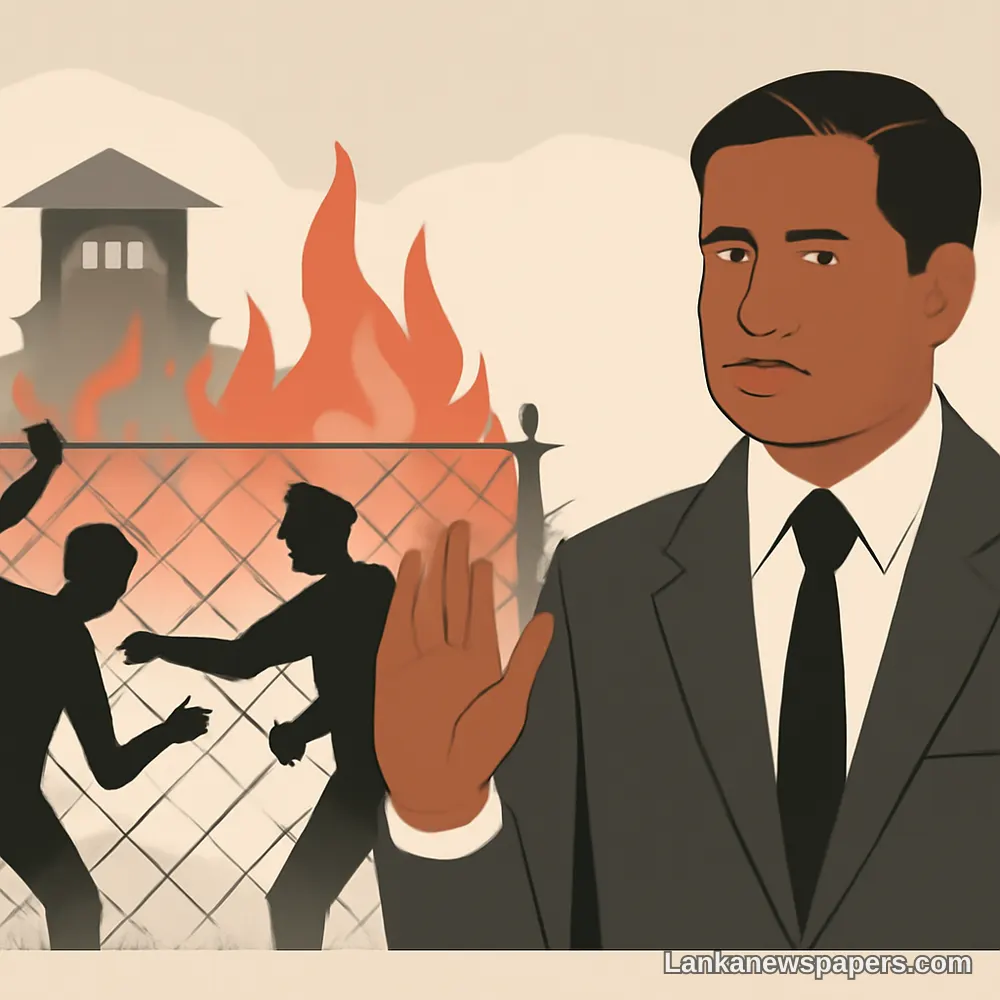
Minister Weathers Parliamentary Challenge in Wake of Deadly Unrest
Sri Lanka's minister responsible for prisons has successfully survived a no-confidence motion brought against him in parliament, following deadly riots that erupted inside the country's correctional facilities and drew widespread public outcry.
The no-confidence motion, tabled by opposition lawmakers who demanded accountability over the fatal prison disturbances, was ultimately defeated on the floor of parliament, allowing the minister to retain his post despite mounting pressure from critics calling for his resignation.
Deadly Riots Spark Political Fallout
The violence inside Sri Lanka's prison system had triggered a fierce political debate over the government's management of correctional institutions and the safety conditions faced by inmates. The riots resulted in fatalities, prompting opposition parties to pursue formal parliamentary action against the minister they held responsible for the crisis.
Critics argued that the minister had failed to adequately address long-standing issues within the prison system, including overcrowding and inadequate security measures, which they contended had created the conditions for the violence to occur.
Government Rallies Behind Minister
Despite the gravity of the situation, the ruling coalition marshalled sufficient parliamentary support to defeat the motion, signalling that the government remains committed to standing by the minister. Supporters of the minister argued that the riots were not the result of administrative negligence and that steps were being taken to restore order and prevent future incidents.
The outcome of the vote underscores the continued ability of the ruling alliance to hold its ground in parliament, even amid significant public scrutiny over the handling of the prison crisis.
Concerns Over Prison Conditions Remain
While the minister may have survived the immediate political challenge, the episode has reignited serious concerns about the state of Sri Lanka's prison system, which has long struggled with overcrowding and resource shortfalls. Rights advocates and opposition figures have vowed to continue pressing the government for meaningful reforms to prevent further loss of life within custodial facilities.
The broader question of prison governance and inmate welfare is now expected to remain a focal point of political discourse in the weeks ahead.



💬 Join the Discussion 4
See what readers are saying — and add your view.
Votes protect their own ppl. Thats all politics is here.
What actually happened inside the prison? Media not giving full story.
People died and he still survives. This goverment is something else.
Exactly. Who is accountable then? Nobody as usual.