Sri Lanka Hit With 10% US Tariff Following Last-Minute Forced Labour Import Ban
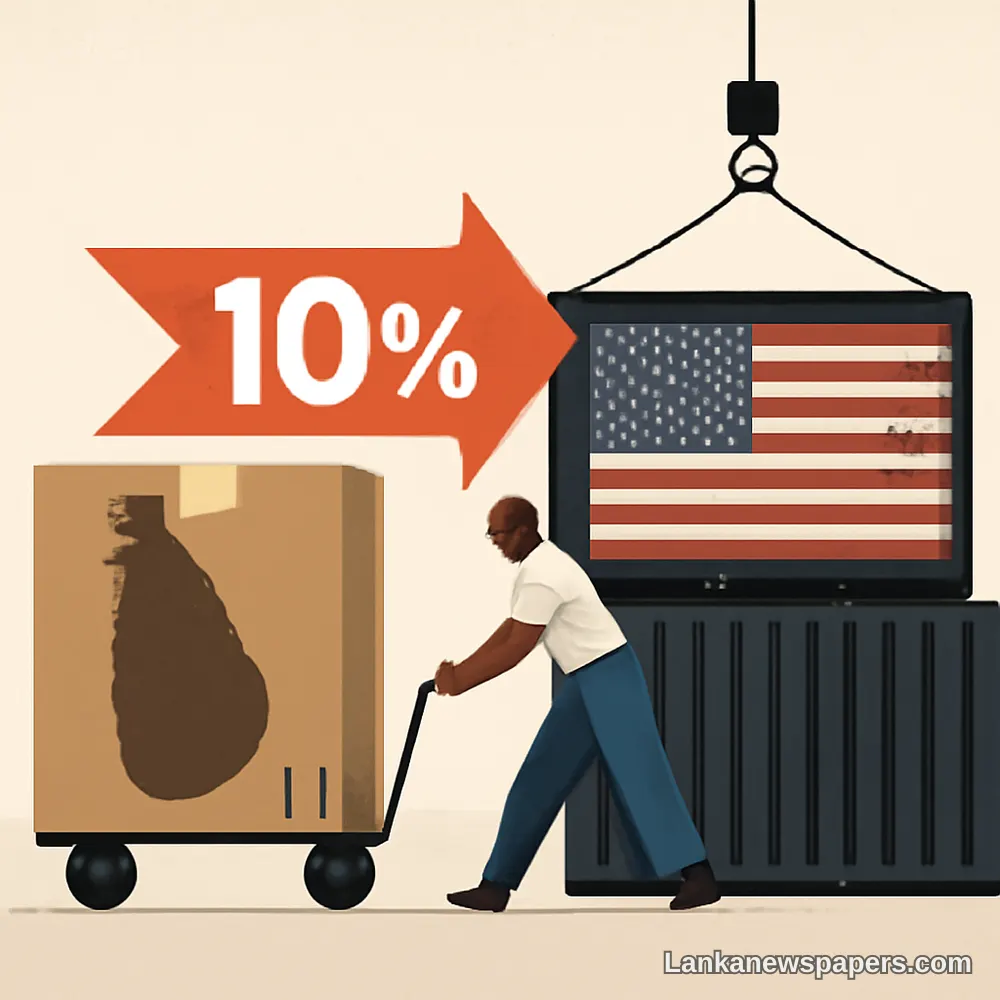
Sri Lanka has been subjected to a 10% tariff by the United States following a significant last-minute decision to ban imports linked to forced labour, dealing a fresh blow to the island nation's trade relationship with one of its most important export markets.
Tariff Takes Effect Amid Trade Tensions
The United States government has moved to impose a 10% tariff on Sri Lankan goods as part of broader trade measures, with the decision coming alongside a forced labour import restriction that was introduced at the eleventh hour before the tariff announcement took effect. The dual measures signal growing scrutiny from Washington over labour practices connected to Sri Lankan supply chains.
Forced Labour Ban Raises Concerns
The last-minute forced labour ban, enacted under US trade law provisions that prohibit the importation of goods produced using forced or compulsory labour, adds a layer of complexity beyond the straightforward tariff impact. Sri Lankan exporters now face not only increased costs at the US border but also the burden of demonstrating that their products are free from any association with forced labour practices.
Impact on Sri Lankan Exporters
The development carries serious implications for Sri Lanka's export sector, particularly industries such as apparel and textiles, which depend heavily on access to the American market. Key concerns for local businesses include:
- Increased cost burdens due to the 10% tariff making Sri Lankan goods less competitive against rival exporters
- Potential loss of US market share to countries not facing equivalent restrictions
- The administrative and compliance challenge of satisfying US customs authorities regarding labour standards
- Broader reputational risks for Sri Lankan industries in international markets
A Critical Moment for Sri Lanka's Economy
Sri Lanka, which is still navigating its path to economic recovery following the severe financial crisis of 2022, can ill afford disruptions to its export revenue. The United States represents one of the country's most significant trading partners, and any sustained reduction in export volumes or value could hamper the fragile recovery that the government and the International Monetary Fund have been carefully managing.
The timing of these measures places additional pressure on an economy that has only recently begun to stabilise, with policymakers now faced with the urgent task of engaging Washington to seek clarity and, where possible, relief from the new restrictions.
Government Response Awaited
Sri Lankan authorities have yet to issue a comprehensive official response outlining the steps the government intends to take in addressing both the tariff imposition and the forced labour import ban. Trade analysts and industry representatives are urging the government to initiate diplomatic engagement with US counterparts as swiftly as possible to protect the interests of Sri Lankan exporters and safeguard thousands of jobs dependent on the American market.
The situation continues to develop, and businesses operating in export-oriented sectors are closely monitoring any further announcements from both Colombo and Washington.


💬 Join the Discussion 0
Be the first to share your view on this story.