Sri Lanka Records Worst Dengue Crisis in Ten Years as Cases Surpass 76,000
Alarming Surge Puts Sri Lanka on High Alert
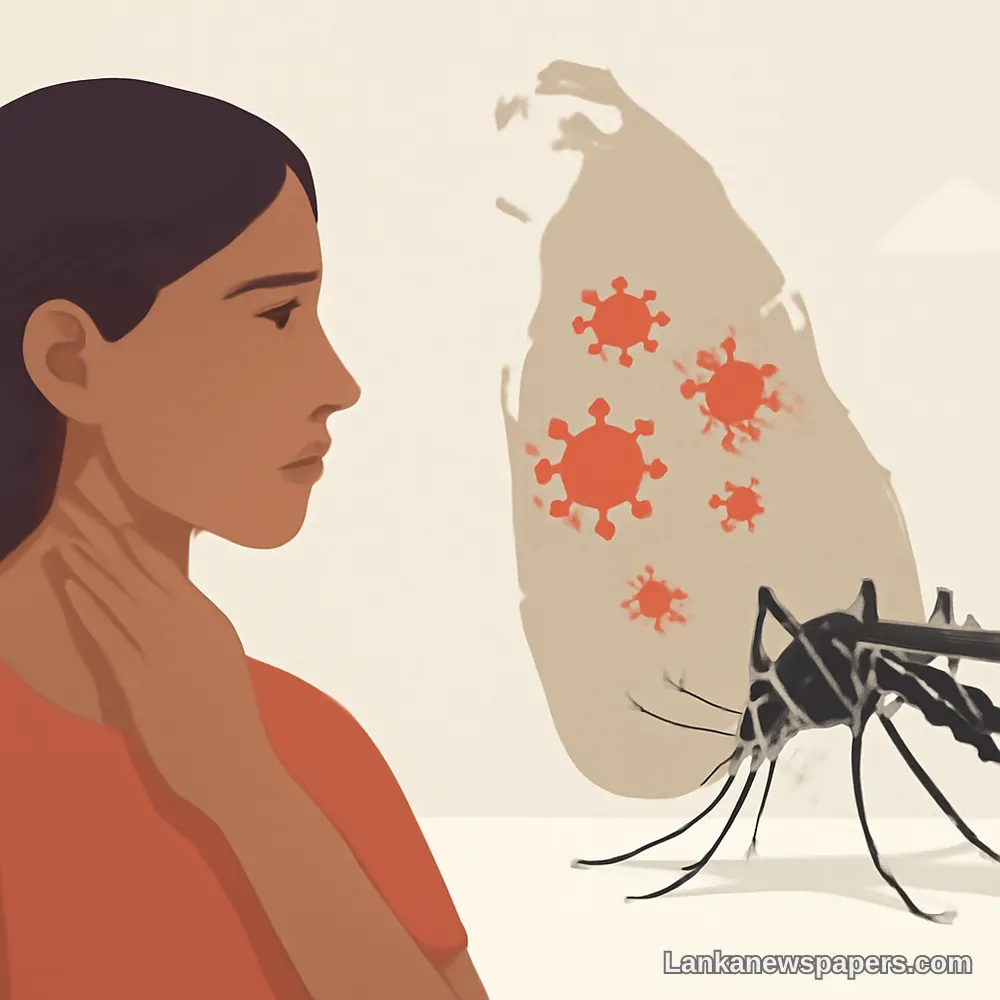
Sri Lanka is grappling with its most severe dengue outbreak in a decade, with reported cases surging past 76,000 and the death toll climbing to 56, according to the latest health data. The figures mark a grim milestone, signalling that the island nation is facing one of its most challenging public health emergencies in recent memory.
A Crisis That Demands Urgent Attention
Health authorities have described the scale of this year's outbreak as unprecedented over the past ten years, raising serious concerns about the capacity of the healthcare system to manage the rapidly rising caseload. Hospitals across the country have been placed under pressure as dengue patients continue to fill wards, stretching medical resources in both urban and rural areas.
The disease, transmitted through the bite of the Aedes aegypti mosquito, thrives in stagnant water and warm, humid conditions — an environment that Sri Lanka's climate readily provides, particularly during and after periods of heavy rainfall.
Who Is Most at Risk?
While dengue can affect anyone, children and the elderly remain the most vulnerable groups. Health officials are urging the public to remain vigilant and to seek medical attention immediately upon experiencing symptoms, which typically include:
- High fever accompanied by severe headaches
- Pain behind the eyes
- Muscle and joint pain
- Nausea and vomiting
- Skin rashes
- Bleeding from the nose or gums in severe cases
Prevention Remains the Most Powerful Weapon
With no specific antiviral treatment available for dengue, prevention is the most effective tool at the community's disposal. Authorities are calling on households, businesses, and local government bodies to take immediate steps to eliminate mosquito breeding sites. This includes clearing blocked drains, disposing of water-collecting containers, covering water storage tanks, and ensuring proper waste management practices are followed consistently.
Community-level action is considered critical in curbing the spread, as mosquito breeding often occurs in and around homes — in flower pots, discarded tyres, roof gutters, and other areas where rainwater accumulates unnoticed.
Government and Health Officials Respond
The Ministry of Health has intensified surveillance and vector control operations across high-risk districts. Fumigation drives and public awareness campaigns have been stepped up as part of a coordinated response to contain the outbreak. Officials have also urged medical professionals to exercise heightened vigilance in diagnosing and managing dengue cases to prevent fatalities.
The public is reminded that dengue is preventable, and every household has a role to play in eliminating mosquito breeding grounds before the situation worsens further.
As Sri Lanka continues to navigate this public health emergency, health authorities are appealing for a collective national effort — from government institutions to individual citizens — to bring the outbreak under control before the toll rises any further.



💬 Join the Discussion 0
Be the first to share your view on this story.