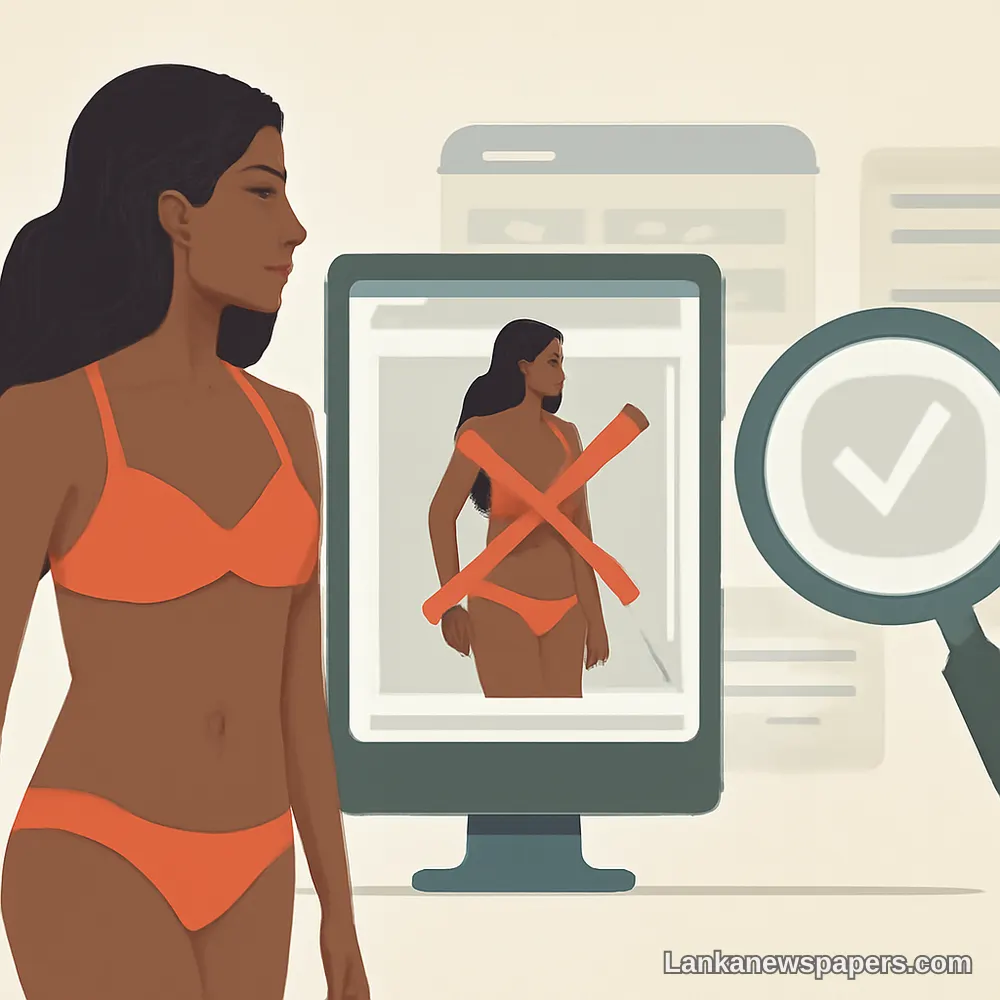
A widely circulated claim on social media alleging that a Sri Lankan teacher had participated in a bikini pageant has been thoroughly debunked by fact-checkers, who confirmed the assertion to be false and misleading.
The claim spread rapidly across various online platforms, drawing significant public attention and sparking heated debate among Sri Lankan internet users. Many shared the content without verifying its authenticity, contributing to its viral reach.
What the Fact-Check Found
Upon investigation, fact-checkers determined that the viral claim was inaccurate. The individual identified in the circulating content as a "Sri Lankan teacher" was found to have been misidentified, and the narrative attached to the images or posts did not reflect the truth of the situation.
This type of misinformation, in which individuals are falsely labelled and their identities linked to unrelated events or images, has become an increasingly common phenomenon on social media platforms operating in Sri Lanka.
The Danger of Viral Misinformation
Cases such as this highlight the serious consequences that false claims can have on the reputations and lives of ordinary individuals. A single viral post, once shared widely, can cause lasting reputational damage before corrections are even noticed by the public.
- False identity claims can expose innocent individuals to online harassment and public shaming.
- Misinformation spreads significantly faster than corrections on social media platforms.
- Sri Lanka has seen a growing number of viral hoaxes targeting private individuals in recent years.
A Call for Responsible Sharing
Fact-checking organisations continue to urge the public to verify information before sharing content online, particularly when posts make sensational or damaging claims about named individuals.
Members of the public are encouraged to consult credible fact-checking sources and exercise caution when encountering viral claims on social media, especially those of a sensitive or inflammatory nature. Sharing unverified content, even unintentionally, can cause real harm to real people.
Authorities and digital literacy advocates in Sri Lanka have repeatedly stressed the importance of responsible online behaviour as the country continues to grapple with the growing challenge of misinformation in the digital age.


💬 Join the Discussion 4
See what readers are saying — and add your view.
Still waiting for them to find the person who made this up.
Who even starts these rumours? Sad to target teachers like this.
People share without checking first. This is why fake news spreads so fast.
Exactly. My own uncle forwarded this in the family group smh.