Supreme Court Rules Activist's Fundamental Rights Were Violated During Aragalaya Crackdown
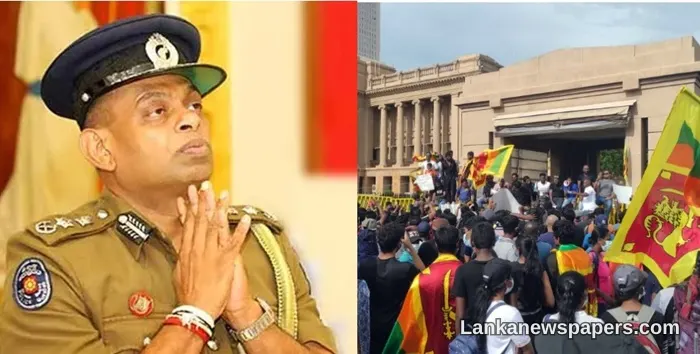
Sri Lanka's Supreme Court has delivered a landmark ruling finding that the fundamental rights of social media activist Anuruddha Bandara were violated during his arrest, which took place amid the turbulent Aragalaya protest movement that shook the country in 2022.
A Significant Verdict
The ruling marks a significant moment in the ongoing legal reckoning over how authorities handled individuals swept up during the mass uprising that ultimately led to the ousting of former President Gotabaya Rajapaksa. The Supreme Court's determination that Bandara's constitutional rights were infringed upon adds to a growing body of scrutiny over the conduct of law enforcement during that period.
Background on the Aragalaya
The Aragalaya, meaning "struggle" in Sinhala, was a widespread citizens' protest movement that erupted across Sri Lanka in 2022 in response to a devastating economic crisis. The movement saw hundreds of thousands of ordinary citizens take to the streets, culminating in the storming of the Presidential Secretariat and official residence. During and after the protests, several activists and demonstrators were arrested under controversial circumstances.
Anuruddha Bandara's Case
Anuruddha Bandara, a prominent social media activist who was vocal in amplifying the voices of protesters online, was among those detained during the crackdown. His case drew public attention as critics argued that his arrest represented an attempt to silence dissenting voices rather than address any legitimate legal concern.
The Supreme Court's ruling in his favour now officially acknowledges that the manner in which he was arrested constituted a violation of his fundamental rights as guaranteed under the Sri Lankan Constitution.
Broader Implications
This judgment, delivered by Inspector General of Police Deshabandu Tennakoon-era authorities, raises serious questions about the accountability of those who ordered and carried out such arrests during the Aragalaya period. Civil liberties advocates and legal experts are expected to view the ruling as an important precedent for similar cases still working their way through the courts.
The verdict is likely to intensify calls for a broader review of the treatment of activists and protesters detained during one of the most defining chapters in recent Sri Lankan history.
💬 Join the Discussion 4
See what readers are saying — and add your view.
goverment does this every time, arrests first asks questions later.
what compensation did he get? article doesnt say.
Finally some justice. they cant just arrest ppl like that without reason.
took how many years though? better late than never i guess.