Tamil and Muslim Political Groups Voice Growing Frustration Over NPP Government's Stalled Reform Agenda
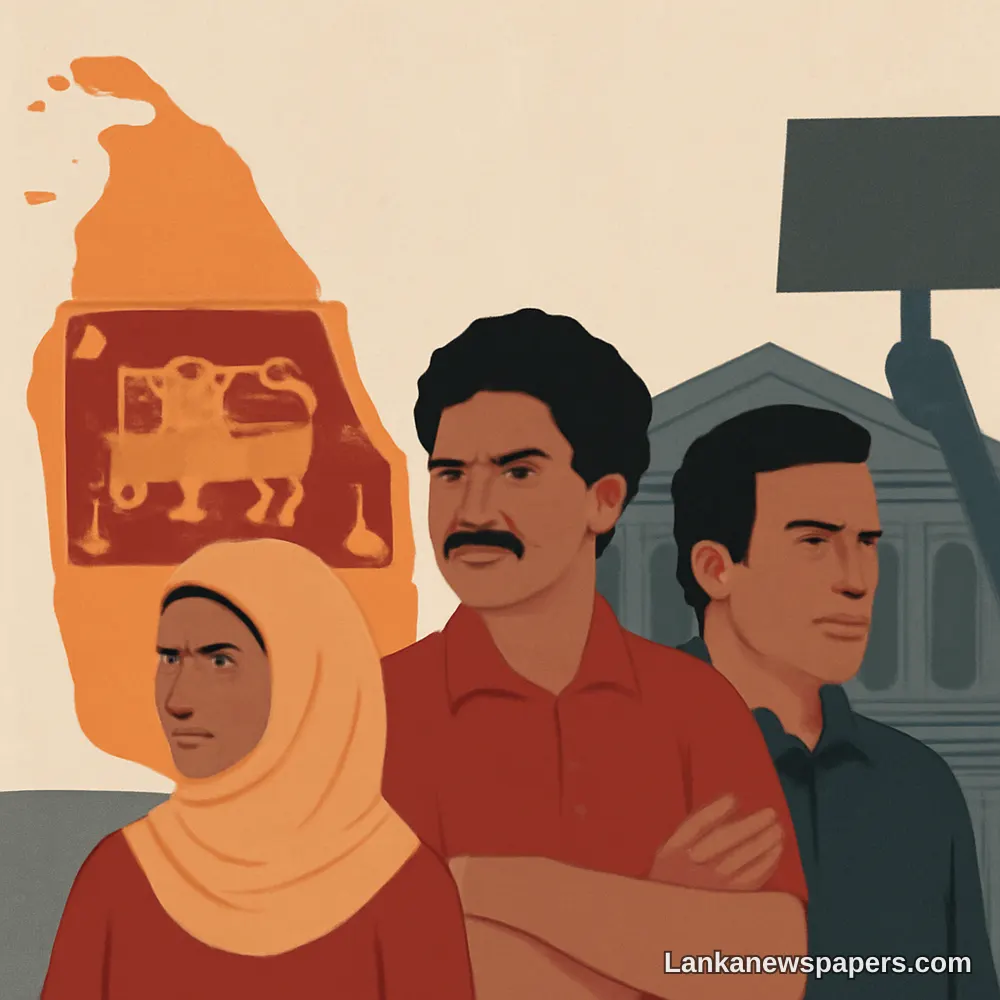
A Tamil-Muslim political platform has emerged as a vocal critic of the National People's Power (NPP) government led by President Anura Kumara Dissanayake, signalling deepening frustration among minority communities over what they describe as a failure to deliver on promised reforms since the party swept to power.
Minority Communities Losing Patience
The platform, which brings together Tamil and Muslim political voices, has begun openly challenging the NPP administration — widely associated with the Janatha Vimukthi Peramuna (JVP) — over its perceived inaction on key issues affecting ethnic and religious minorities in Sri Lanka. Representatives argue that the government's reform promises, which helped draw broad support during the election campaign, have largely remained unfulfilled in practice.
The growing discontent reflects a wider pattern of disillusionment among communities in the North, East, and among Muslim constituencies, who had cautiously extended goodwill to the new administration in hopes of meaningful political change following years of economic hardship and ethnic grievances.
Key Concerns Raised by the Platform
- Lack of progress on political devolution and power-sharing arrangements for minority regions
- Absence of tangible steps toward accountability for long-standing wartime grievances
- Slow movement on economic relief measures disproportionately affecting Tamil and Muslim communities
- Concerns over land rights issues that remain unresolved in the Northern and Eastern provinces
A Warning Signal for the NPP
Political analysts observe that the emergence of this platform represents more than routine opposition — it is being read as an early warning sign for a government that cannot afford to alienate minority blocs if it hopes to consolidate its national mandate. The NPP's historic electoral victory was built in part on a cross-ethnic coalition of voters who believed the administration would break from the entrenched political culture of past governments.
The concerns being raised reflect a sense that the window for genuine reform is narrowing, and that minority communities are watching closely for concrete action rather than political rhetoric.
Tamil political figures associated with the platform have stressed that their criticism is not outright opposition to the government, but rather a demand for accountability and follow-through. Muslim community leaders have similarly framed their concerns around specific policy deliverables that were widely discussed during the pre-election period.
Government Yet to Formally Respond
As of yet, the NPP administration has not issued a formal response addressing the specific grievances raised by the Tamil-Muslim platform. Government allies have previously argued that systemic reforms take time, particularly given the economic crisis the administration inherited, but critics contend that certain measures — particularly those requiring political will rather than financial resources — could have been advanced more swiftly.
With local government elections on the horizon and minority votes likely to play a decisive role in key districts, the political pressure on Colombo to address these concerns is expected to intensify in the months ahead.

💬 Join the Discussion 2
See what readers are saying — and add your view.
same story different goverment, minorities always sidelined no?
not even 1 year give them time la