Iran Reports Mass Water Outages as US Strikes Desalination Plant in Seventh Night of Attacks
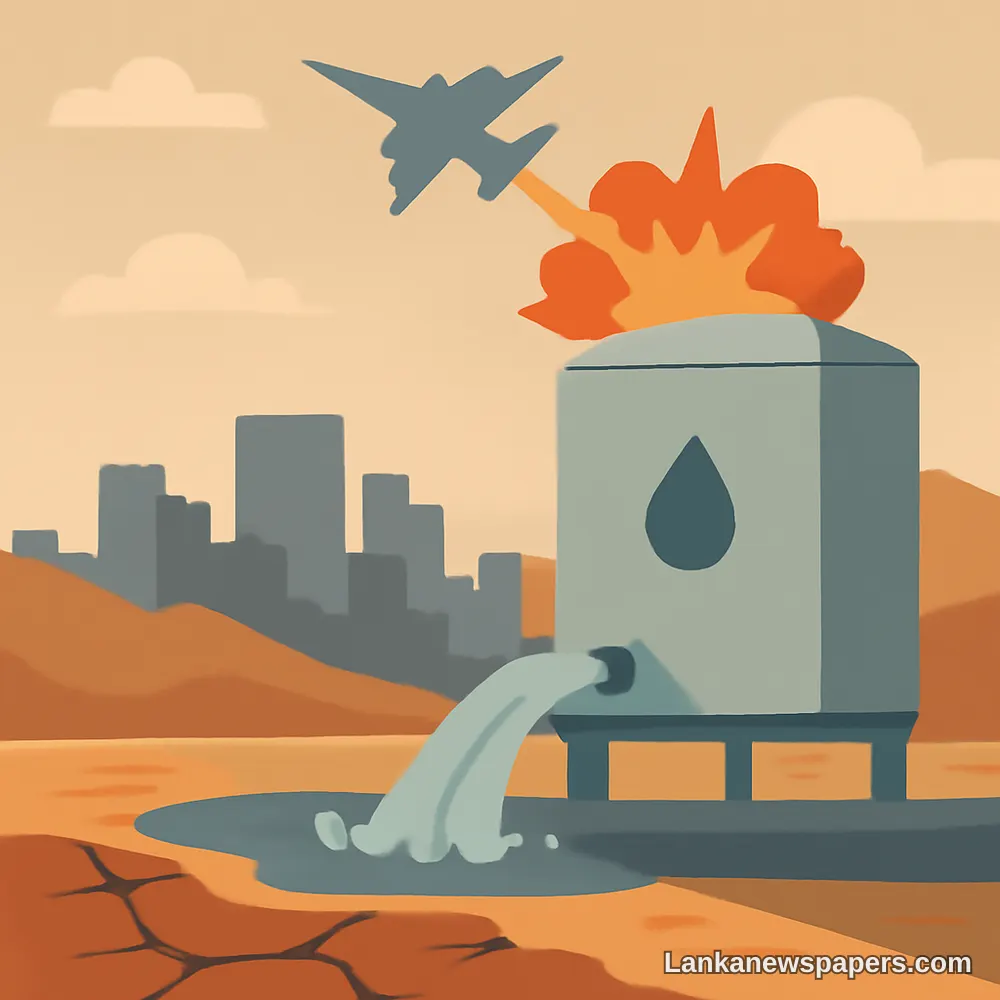
Iran has accused the United States of targeting critical civilian infrastructure after a strike on a desalination plant left 10,000 people without access to water, as hostilities between the two nations entered a seventh consecutive night with no sign of de-escalation.
Desalination Plant Hit, Thousands Left Without Water
The attack on the desalination facility marked a significant escalation in the ongoing military exchange, with Iranian officials condemning the strike as a deliberate assault on infrastructure vital to civilian survival. Hamzeh Pour, the chief executive of the affected facility, confirmed the damage and the scale of disruption to water supplies caused by the strike.
Iran Retaliates Against Gulf Neighbours
In response to the continued US bombardment, Iran launched a fresh wave of drones and missiles directed at US-allied Gulf states, widening the geographic scope of the conflict and raising alarm among regional governments.
The retaliatory strikes represent Iran's ongoing effort to demonstrate its capacity to project force beyond its own borders, even as American military operations continue to pound targets across Iranian territory.
Seven Nights of Continuous Strikes
The conflict has now stretched across seven uninterrupted nights of US military action against targets within Iran. The sustained nature of the campaign signals a level of military commitment that has drawn international concern, with world leaders and humanitarian organisations warning of the mounting toll on civilian populations.
Iranian officials have framed the strikes on infrastructure as a violation of international humanitarian law, arguing that civilian facilities such as water treatment and desalination plants must be protected under the rules of armed conflict.
Regional and Global Implications
The broadening of the conflict into Gulf state territory has heightened anxiety across the Middle East, a region of considerable strategic and economic importance to the rest of the world, including Sri Lanka, which relies heavily on oil imports from the Gulf.
Analysts warn that a prolonged military confrontation could destabilise energy markets and disrupt shipping lanes through which much of Sri Lanka's trade and fuel supplies pass.
As the situation continues to evolve rapidly, the international community has called for an immediate ceasefire and the protection of civilian lives and essential services on all sides of the conflict.



💬 Join the Discussion 0
Be the first to share your view on this story.