India-Sri Lanka Enhanced Tax Treaty Protocol Now in Force, Offering Relief from Double Taxation
Landmark Protocol Strengthens Bilateral Tax Framework
A significant protocol aimed at strengthening the existing Double Taxation Avoidance Agreement (DTAA) between India and Sri Lanka has officially come into effect, marking a new chapter in economic cooperation between the two neighbouring nations.
What the Protocol Means for Taxpayers
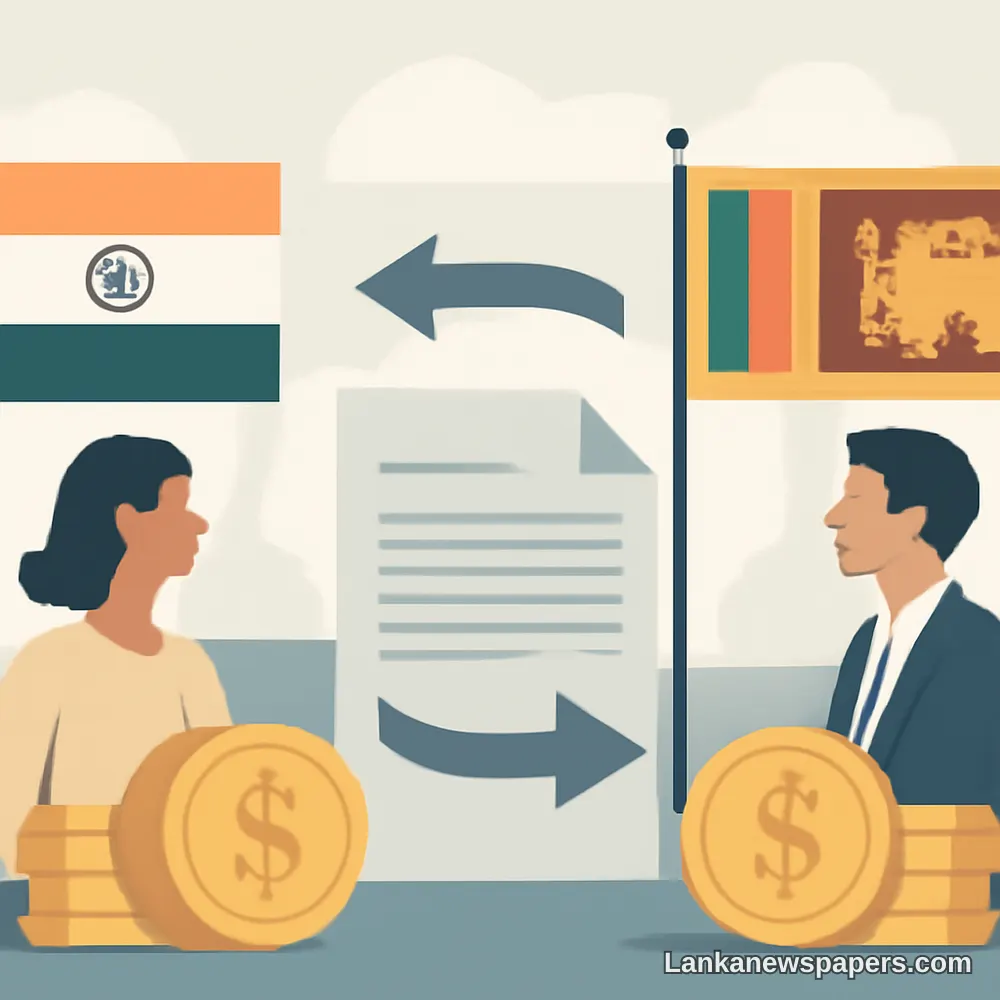
The updated protocol is designed to prevent individuals and businesses operating across both countries from being taxed twice on the same income. This development is expected to provide considerable relief to Sri Lankan professionals, investors, and enterprises with financial interests in India, as well as Indian entities conducting business in Sri Lanka.
By eliminating the burden of double taxation, the agreement creates a more favourable environment for cross-border trade, investment, and the movement of skilled professionals between the two economies.
Strengthening Economic Ties
India remains one of Sri Lanka's most important economic partners, with strong bilateral trade, investment flows, and people-to-people connections. The coming into force of this enhanced protocol is widely seen as a positive step toward deepening that relationship on more equitable and transparent terms.
Analysts note that clearer and more robust tax arrangements can serve as a catalyst for increased foreign direct investment, encouraging Indian businesses to expand their footprint in Sri Lanka and vice versa.
Broader Implications
For Sri Lanka, which continues its economic recovery journey, attracting foreign investment and facilitating smoother business operations with key partners such as India is of particular strategic importance. Tax clarity and legal certainty are among the primary concerns cited by foreign investors when evaluating opportunities in emerging markets.
The protocol is expected to align both countries more closely with international standards on tax transparency and information exchange, further boosting investor confidence in the bilateral economic relationship.



💬 Join the Discussion 1
See what readers are saying — and add your view.
finally some relief for ppl working between both countries, about time