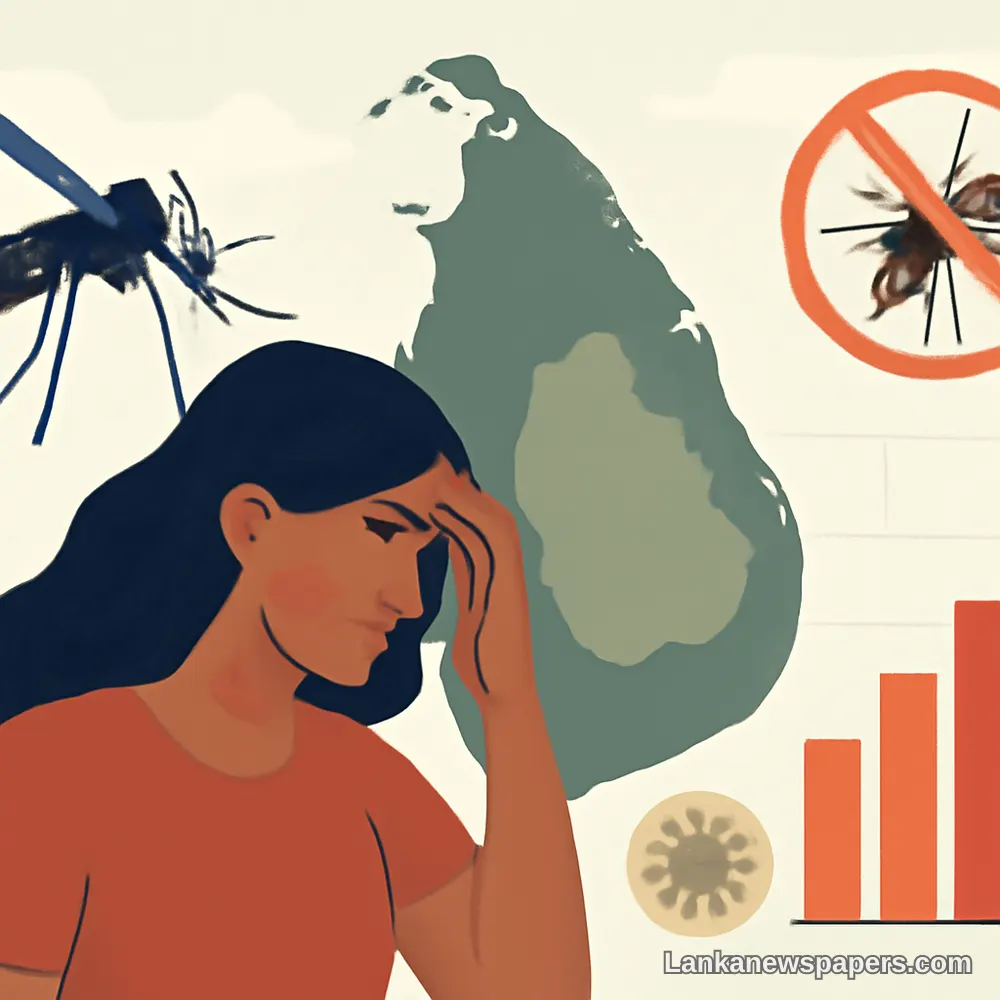
Alarming Rise in Dengue Infections Raises Public Health Concerns
Sri Lanka is facing an unprecedented public health challenge as the number of dengue fever cases recorded across the country has surpassed 75,000, marking a record surge that has alarmed health authorities and communities alike.
The sharp rise in infections represents one of the most significant outbreaks the island nation has seen in recent times, placing considerable pressure on the healthcare system and prompting urgent calls for greater preventive action at both individual and community levels.
A Nation-Wide Threat
Dengue fever, transmitted through the bite of the Aedes mosquito, continues to spread rapidly across multiple provinces, with urban and suburban areas remaining particularly vulnerable due to stagnant water accumulation and high population density.
Health officials have repeatedly warned the public that the disease is preventable, urging households, businesses, and local authorities to take immediate steps to eliminate potential mosquito breeding grounds.
What the Public Can Do
Authorities have outlined several key measures that residents can take to reduce the risk of dengue transmission:
- Remove stagnant water from flowerpots, tyres, gutters, and other containers around the home
- Use mosquito repellents and wear protective clothing, especially during dawn and dusk
- Ensure water storage containers are properly covered at all times
- Seek immediate medical attention if symptoms such as high fever, severe headaches, or joint pain develop
- Cooperate with local health inspectors conducting area-level inspections
Pressure on Health Services
Hospitals in several districts are reportedly experiencing increased patient loads as dengue admissions climb. Medical professionals have called on the government to intensify fogging operations and community awareness campaigns, particularly in high-risk zones.
Health experts stress that timely diagnosis and treatment are critical in preventing dengue from becoming life-threatening, urging the public not to delay seeking medical care upon the appearance of symptoms.
Government Response Awaited
As the case count continues to rise, there is growing public expectation that authorities will implement a stronger, coordinated national response to bring the outbreak under control before conditions worsen further, particularly with seasonal rainfall creating ideal breeding environments for mosquitoes across the country.
Sri Lankans are reminded that combating dengue is a shared responsibility, and community-level vigilance remains the most effective tool in curbing the spread of this dangerous but preventable disease.


💬 Join the Discussion 3
See what readers are saying — and add your view.
75,000 cases and still got stagnant water everywhere in my area
every year same story, goverment does nothing until ppl start dying
exactly, clean the drains first then talk about development