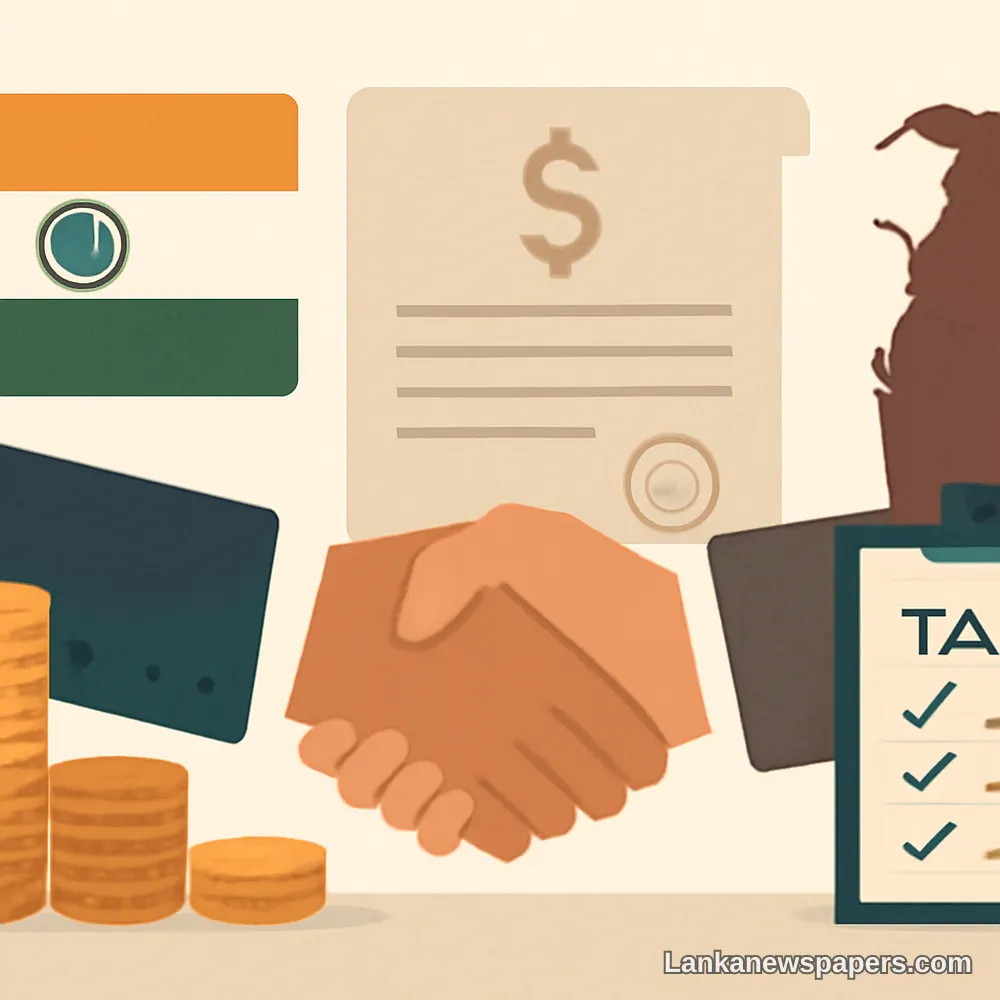
Bilateral Tax Agreement Receives Major Update
India has moved to tighten its longstanding double taxation avoidance agreement with Sri Lanka by introducing a principal purpose test, a key anti-abuse mechanism designed to prevent taxpayers from exploiting the treaty solely to gain undue tax advantages.
What the New Rule Means
The principal purpose test, commonly referred to as the PPT, essentially allows tax authorities to deny treaty benefits in cases where one of the main reasons for a transaction or arrangement appears to be obtaining those very benefits. In other words, if a deal is structured primarily to take advantage of the treaty rather than for genuine commercial reasons, the relevant tax concessions can be withheld.
This amendment brings the India-Sri Lanka tax treaty in line with modern international tax standards, particularly those developed under the Organisation for Economic Co-operation and Development's Base Erosion and Profit Shifting framework, which seeks to stamp out aggressive tax planning strategies used by multinational entities.
Significance for Sri Lanka
For Sri Lanka, which has been working to strengthen its fiscal frameworks and restore investor confidence following its recent economic crisis, the update signals a commitment to international best practices in tax governance. The amendment is expected to close loopholes that may have previously allowed certain businesses or investors to channel funds through Sri Lanka or India purely for treaty shopping purposes.
Tax experts note that while the change may introduce additional scrutiny for cross-border transactions between the two countries, it ultimately creates a more transparent and equitable environment for legitimate investors operating in both markets.
Broader Regional Context
India has been systematically updating its network of double taxation avoidance agreements with various countries to incorporate anti-abuse provisions, reflecting a broader global shift towards greater tax transparency. Sri Lanka joins a growing list of nations whose treaties with India now include such safeguards.
Businesses and investors engaged in trade and investment activities between India and Sri Lanka are advised to review their existing arrangements in light of the updated treaty provisions to ensure continued eligibility for any applicable tax benefits.



💬 Join the Discussion 4
See what readers are saying — and add your view.
goverment should explain this in sinhala so everyone can understand what we actually signed
honestly these tax treaties are so complicated, normal ppl never benefit only big companies
good move, India always knows how to protect their side
protect their side yes, but what about our side though