Sri Lanka's Upper-Middle-Income Status: A Statistical Milestone or an Economic Illusion?
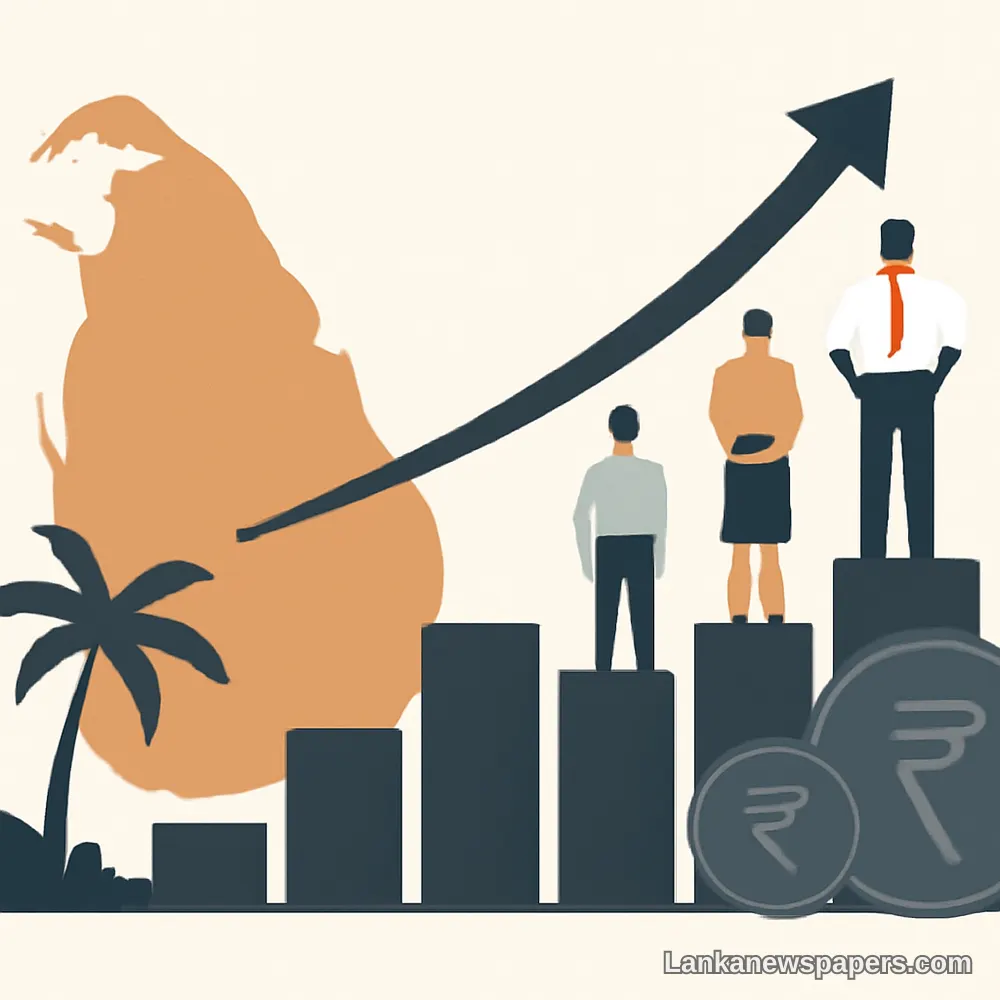
Sri Lanka's recent reclassification as an upper-middle-income country by the World Bank has been met with cautious optimism in some quarters and outright scepticism in others. While the designation carries symbolic weight, economists and analysts are increasingly questioning whether this label accurately reflects the lived economic reality of millions of Sri Lankans still recovering from one of the worst financial crises in the island's history.
What the Reclassification Actually Means
The World Bank adjusts its country income classifications annually based on Gross National Income (GNI) per capita figures. Sri Lanka's crossing of the threshold into the upper-middle-income bracket is largely a product of currency adjustments, revised national accounting methodologies, and base statistical effects — rather than a genuine and broad-based improvement in the standard of living for ordinary citizens.
In other words, the numbers have shifted on paper, but the economic conditions on the ground tell a more complicated story.
The Gap Between Statistics and Reality
Sri Lanka is still navigating the aftermath of its 2022 economic collapse, which saw the country default on its external debt for the first time in its independent history. Inflation ravaged household purchasing power, foreign reserves were depleted to critical levels, and essential goods including medicine and fuel became acutely scarce for prolonged periods.
Though macroeconomic indicators have shown some degree of stabilisation since then — aided by an International Monetary Fund bailout programme — the recovery remains fragile and uneven. Poverty rates have risen significantly compared to pre-crisis levels, and a large segment of the population continues to struggle with the cost of living.
The Danger of Misreading the Data
Analysts warn that treating this reclassification as a meaningful measure of economic progress carries real risks. One of the most immediate concerns is that upper-middle-income status can affect Sri Lanka's eligibility for concessional financing and development grants — forms of financial assistance that the country still badly needs as it works through its debt restructuring process.
There is also the risk of complacency. If policymakers and international partners interpret the new classification as evidence that Sri Lanka has turned a corner, critical structural reforms may lose their sense of urgency. The island's underlying vulnerabilities — a narrow export base, heavy dependence on remittances, and persistent fiscal weaknesses — have not been resolved by a change in categorisation.
A Hollow Promotion?
Economic promotions of this nature are not without precedent globally. Several countries have found themselves reclassified into higher income tiers during periods of currency volatility or data revision, only to slide back when conditions normalised. Critics argue that Sri Lanka's situation fits this pattern closely.
The reclassification does not reflect a structural transformation of the economy. It does not mean that productivity has surged, that exports have diversified meaningfully, or that inequality has narrowed. Per capita income averages, by their very nature, mask the vast disparities that exist between urban and rural populations, and between those who have recovered from the crisis and those who have not.
What Genuine Progress Would Look Like
For Sri Lanka's income reclassification to carry real meaning, it would need to be accompanied by sustained improvements across several key areas:
- A durable reduction in public debt as a proportion of GDP
- Diversification of export revenue beyond garments and tourism
- Meaningful job creation in high-value industries
- Strengthened social safety nets to protect the most vulnerable
- Consistent progress under the IMF programme with no policy reversals
Conclusion
Sri Lanka's reclassification as an upper-middle-income economy is not something to be dismissed entirely — it reflects certain numerical realities and may carry diplomatic significance. However, treating it as a reliable indicator of restored prosperity would be a serious error of judgement. For a country still in the early and delicate stages of economic recovery, the priority must remain substantive reform rather than statistical celebration. The true measure of Sri Lanka's economic health will be written not in World Bank classifications, but in the daily lives of its people.


💬 Join the Discussion 2
See what readers are saying — and add your view.
on paper we rich, in real life cant even afford eggs lol
exactly men, statistics dont feed anyone