Sri Lanka's Dengue Crisis Deepens as Cases Approach 70,000 and Hospitals Struggle to Cope
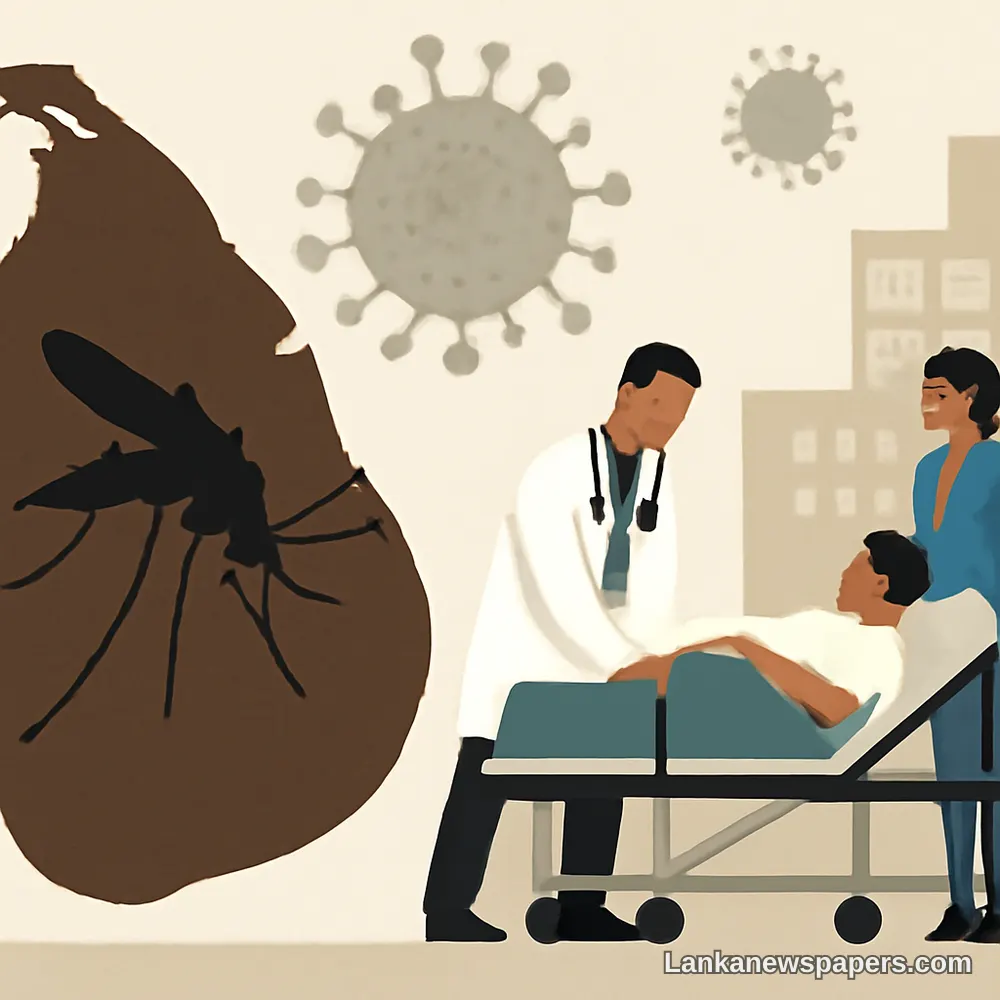
Sri Lanka's dengue epidemic is rapidly escalating, with nearly 70,000 infections and 48 deaths recorded across the country so far this year, placing hospitals under severe strain and forcing health authorities to take urgent action.
Authorities Launch Island-Wide Crackdown
In response to the worsening outbreak, health officials have announced an intensive week-long mosquito control operation targeting 11 districts identified as high-risk zones. The drive is aimed at eliminating mosquito breeding grounds and curbing the alarming rate at which new cases are being reported.
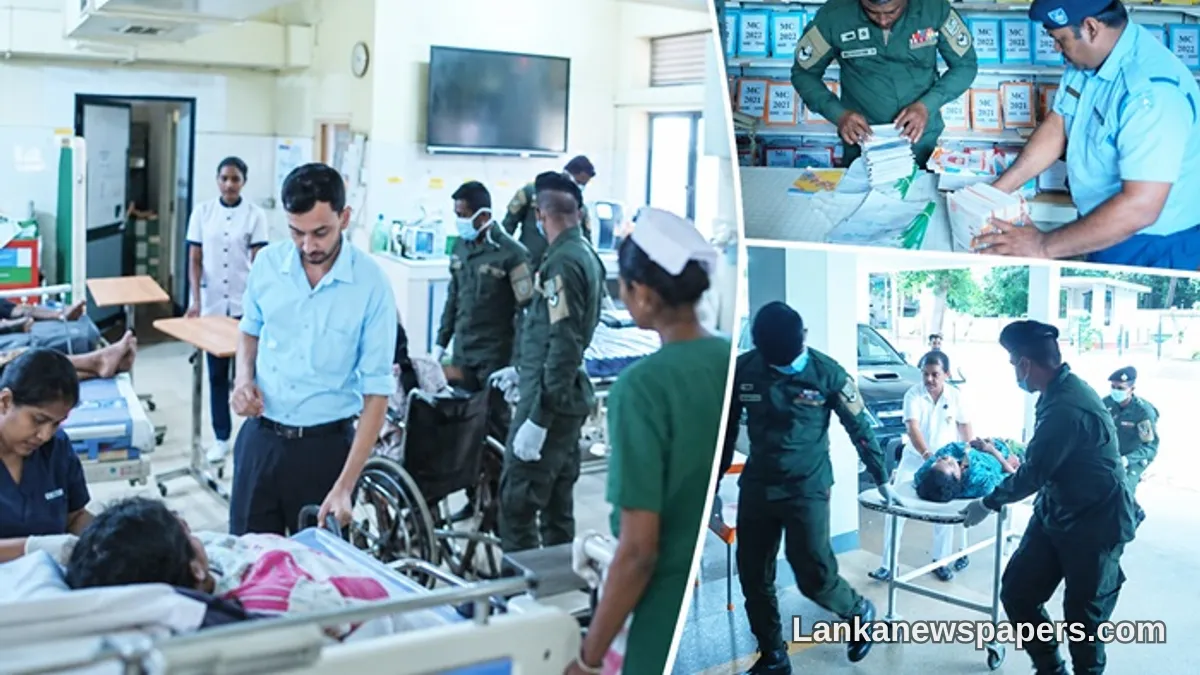
Medical staff at hospitals across affected areas are under growing pressure as wards fill with dengue patients requiring immediate care. The surge in admissions has stretched resources and personnel to critical levels, raising concerns among health professionals about the system's capacity to manage further increases in case numbers.
A Public Health Emergency Demanding Public Action
Health authorities are urging all Sri Lankan residents to play an active role in containing the spread of the disease. Key preventive measures being promoted include:
- Removing stagnant water from flowerpots, tyres, and containers around homes
- Ensuring proper disposal of waste that may collect rainwater
- Using mosquito repellents and protective clothing, particularly during dawn and dusk
- Seeking immediate medical attention at the first sign of dengue symptoms such as high fever, severe headache, and joint pain
A Recurring Seasonal Threat
Dengue fever remains one of Sri Lanka's most persistent public health challenges, with outbreaks intensifying during and after rainy seasons when mosquito populations surge. The current figures place this year's epidemic among the more severe in recent memory, prompting calls for sustained community cooperation alongside official intervention efforts.
Health officials have stressed that government action alone cannot bring the epidemic under control, and that every household has a responsibility to eliminate potential mosquito breeding sites without delay.
Authorities have warned that without immediate and widespread public participation, case numbers could continue to climb in the weeks ahead. Residents in the 11 districts under the targeted crackdown are being asked to cooperate fully with inspection teams deployed to identify and destroy breeding sites.

💬 Join the Discussion 2
See what readers are saying — and add your view.
70,000 cases and now only they doing a crackdown? bit late no
exactly, every year same thing, after ppl die then they act