Sri Lanka Air Force Sounds Alarm After Kite Strings Endanger Military Training Aircraft
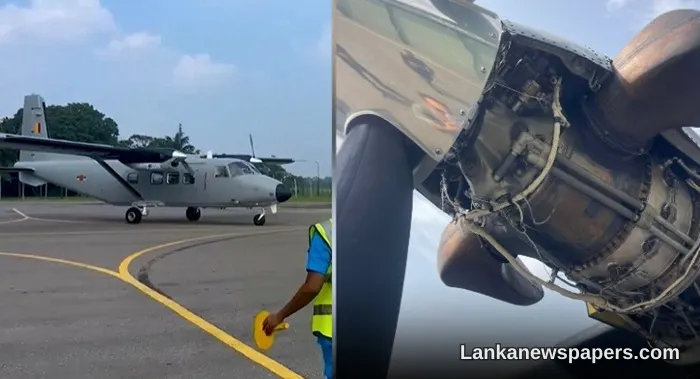
The Sri Lanka Air Force (SLAF) has issued an urgent public warning following a dangerous incident in which a training aircraft became entangled in kite strings during flight, raising serious concerns about aviation safety across the island.
A Hazard Hidden in Plain Sight
While kite flying is a beloved recreational pastime enjoyed by thousands of Sri Lankans, particularly during festive seasons and weekends, the SLAF has underscored that the activity poses a significant and often underestimated threat to both military and civilian aircraft operating at low altitudes.
The incident, which involved a SLAF training aircraft, brought into sharp focus the very real dangers that kite strings — especially those coated with abrasive materials — present to aircraft engines, propellers, and control surfaces. Such entanglements can have catastrophic consequences if not addressed promptly.
Air Force Calls for Public Responsibility
In its warning, the SLAF urged members of the public to exercise caution and to avoid flying kites in the vicinity of air bases, flight paths, and designated low-altitude training zones. The Air Force stressed that what may appear to be a harmless leisure activity can, under the wrong circumstances, trigger a life-threatening aviation emergency.
The Sri Lanka Air Force called on all citizens to act responsibly and to be mindful of the serious risks that kite flying near aircraft operational areas poses to both pilots and the general public.
A Growing Concern for Low-Altitude Operations
Training flights, by their very nature, operate at lower altitudes than commercial aircraft, making them particularly vulnerable to ground-level hazards such as kite strings, balloons, and unmanned aerial objects. The SLAF noted that such obstructions are difficult to detect and avoid at speed, leaving pilots with little time to react.
Aviation authorities have long identified kite strings — particularly those treated with glass powder or metal filaments to gain a competitive edge in kite-fighting — as a serious hazard not only to aircraft but also to motorcyclists and pedestrians on the ground.
Public Urged to Heed Safety Guidelines
The SLAF's warning serves as a timely reminder that personal leisure activities carry broader public safety responsibilities. Members of the public are encouraged to:
- Avoid flying kites near military air bases and known flight corridors
- Refrain from using abrasive or metal-coated kite strings
- Report any incidents involving kite strings and aircraft to the relevant authorities immediately
- Educate children and young people about the potential dangers of kite flying in restricted areas
The Air Force has indicated that it will continue to monitor the situation and may pursue further regulatory measures in coordination with the Civil Aviation Authority of Sri Lanka if such incidents persist.



💬 Join the Discussion 0
Be the first to share your view on this story.