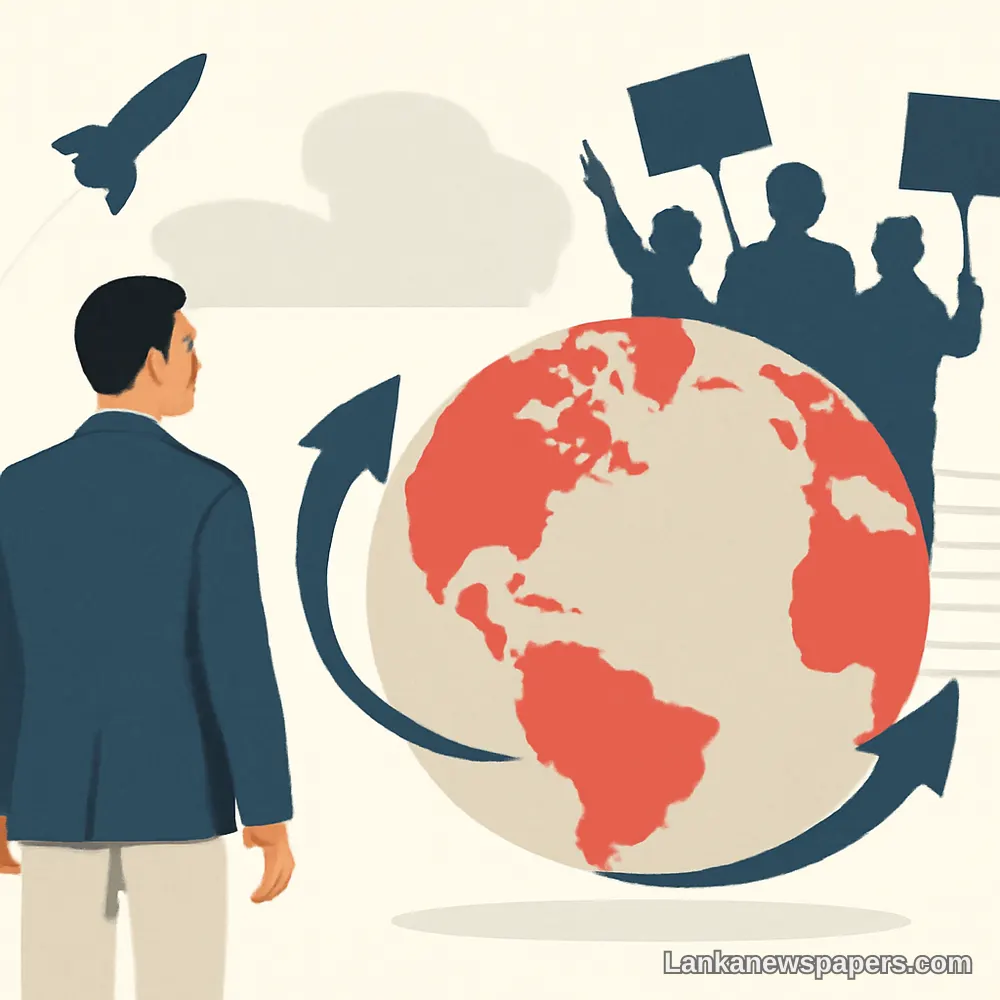
The world finds itself navigating an era that many observers are calling "Trump times" — a period defined by relentless political turbulence, jaw-dropping decisions, and an almost daily assault on what was once considered the norm in global affairs. And while much of this chaos originates from Washington D.C., its shockwaves are felt far beyond American shores, including in our own corner of the world.
A New Kind of Political Climate
There is little debate among political analysts that the current global atmosphere is unlike anything witnessed in recent decades. Diplomatic conventions are being upended, institutions are being tested, and the very fabric of international cooperation appears to be under strain. Much of this turbulence is directly linked to the political style and policy choices of United States President Donald Trump, now serving his second term in the White House.
The unpredictability that has come to define this era is not simply a matter of differing political opinions. It represents a fundamental shift in how power is exercised, how truth is defined, and how nations relate to one another on the world stage.
Not Just an American Problem
It would be a mistake, however, to view this instability as purely a Washington phenomenon. The ripple effects of this global disorder have made their way into our region as well, influencing economic conditions, diplomatic alignments, and domestic political behaviour in ways that directly affect ordinary Sri Lankans.
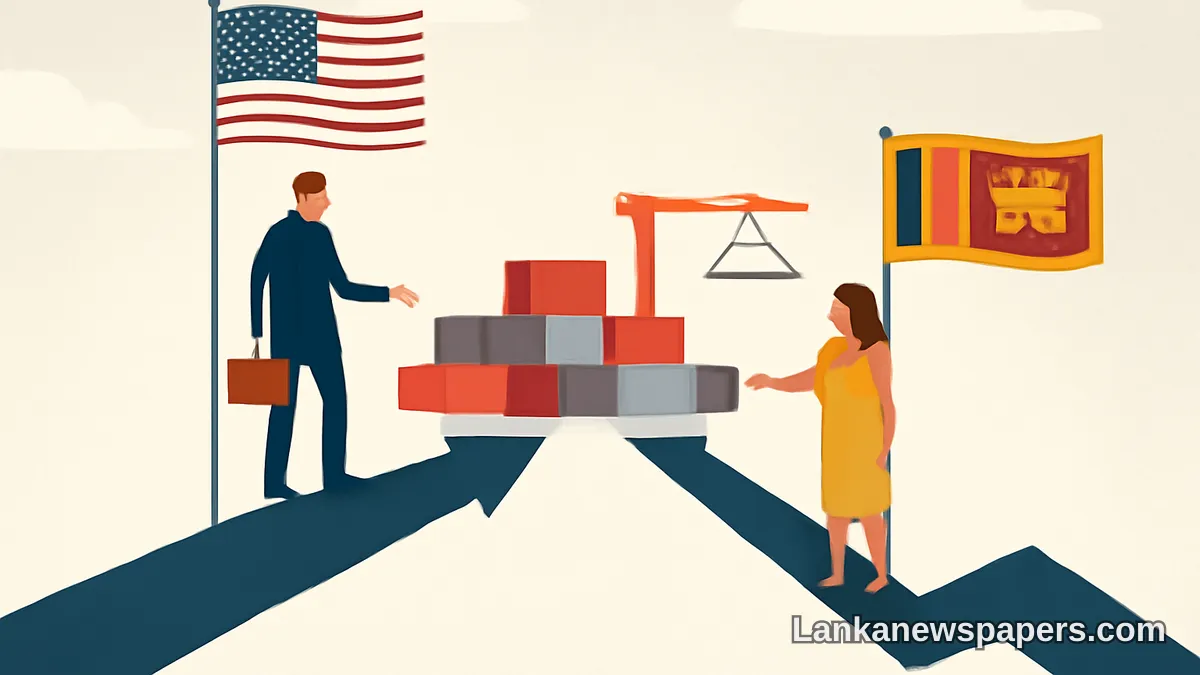
Trade disruptions, shifting geopolitical alliances, and emboldened populist movements worldwide are all, in varying degrees, connected to the broader culture of political recklessness that has taken root internationally.
Is There a Light at the End of the Tunnel?
For those yearning for a return to stability and predictability in global affairs, there may be a specific date worth marking on the calendar. If Trump's influence is indeed a central driver of this worldwide disorder, then the natural conclusion of his current presidential term offers at least a theoretical endpoint to the madness.
Under the United States Constitution, Trump's second term is scheduled to conclude at noon on 20th January 2029 — the moment at which a new president would constitutionally assume office.
Whether that date will truly mark a return to normalcy, or simply usher in a new chapter of uncertainty, remains one of the defining questions of our time.
Until then, the world — Sri Lanka included — must find ways to manage the consequences of this extraordinary and deeply unsettling political moment, while hoping that steadier leadership and more rational governance eventually return to the forefront of global affairs.
💬 Join the Discussion 2
See what readers are saying — and add your view.
2029 ah? still 4 more years of this nonsense to endure
and our politicians will copy all the drama also, guaranteed