Sri Lanka Bans Imports of Goods Produced Through Forced Labour Under New Presidential Regulations
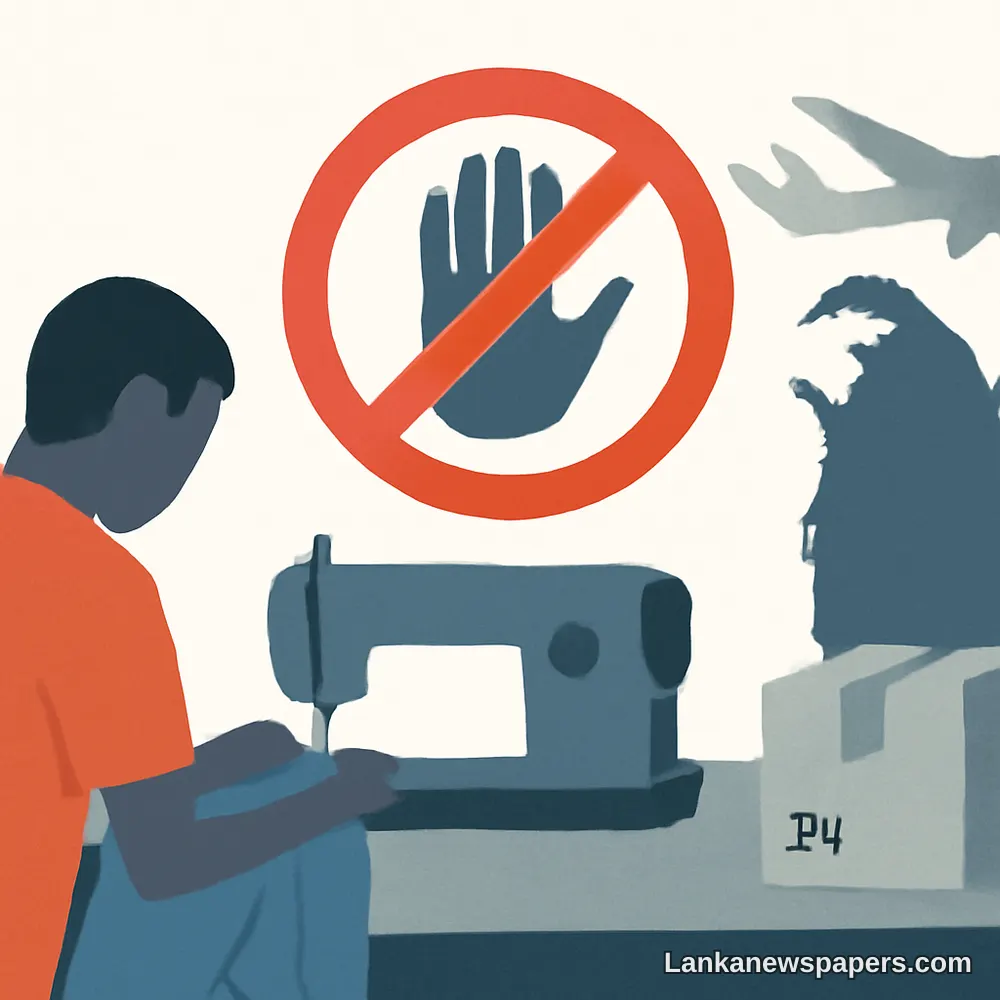
Sri Lanka has taken a firm stance against modern-day labour exploitation by prohibiting the importation of goods that are produced wholly or partly through forced labour, under sweeping new regulations introduced by President Anura Kumara Dissanayake.
The regulations were issued by the President in his capacity as Minister of Finance, Planning and Economic Development, marking a significant policy shift in the country's trade framework aimed at aligning Sri Lanka with international human rights and labour standards.
A Stand Against Exploitative Trade Practices
The new rules apply to any product where forced labour has been used at any stage of its production, regardless of whether such exploitation occurred domestically or abroad. This broad scope signals the government's intention to ensure that Sri Lanka's import market is not complicit in human rights violations taking place anywhere along global supply chains.
Forced labour, widely recognised as a form of modern slavery, involves individuals being coerced into work through threats, violence, debt bondage, or other means of control. International bodies such as the International Labour Organization have long called on governments to take concrete legislative and regulatory action to eliminate the practice from global commerce.
Implications for Importers and Traders
The move is expected to have notable implications for Sri Lankan businesses that source goods from overseas markets where forced labour practices have been documented. Importers will now need to exercise greater due diligence in verifying the conditions under which their products are manufactured.
- The ban covers goods produced entirely through forced labour as well as those only partially dependent on such practices.
- Regulations were gazetted under the authority of the President acting as Finance Minister.
- The policy is consistent with similar measures adopted by the European Union, United States, and other major economies in recent years.
Broader Policy Context
This development comes as the Dissanayake administration continues to reshape Sri Lanka's economic and regulatory landscape following its election mandate. The government has signalled its intent to pursue ethical trade policies as part of a broader commitment to good governance and human rights compliance.
Civil society groups and trade unions are likely to welcome the move, having long advocated for stronger protections against the infiltration of exploitative goods into the Sri Lankan marketplace.
Further details regarding enforcement mechanisms, the responsible regulatory authority, and specific product categories subject to scrutiny are expected to be outlined as implementation of the new regulations proceeds.
💬 Join the Discussion 2
See what readers are saying — and add your view.
Good step but can they actually enforce this properly?
Exactly, on paper looks nice but customs dept is a joke