Sri Lanka Worker Remittances Dip to Seven-Month Low in June But Remain Nearly 10% Higher Than Last Year
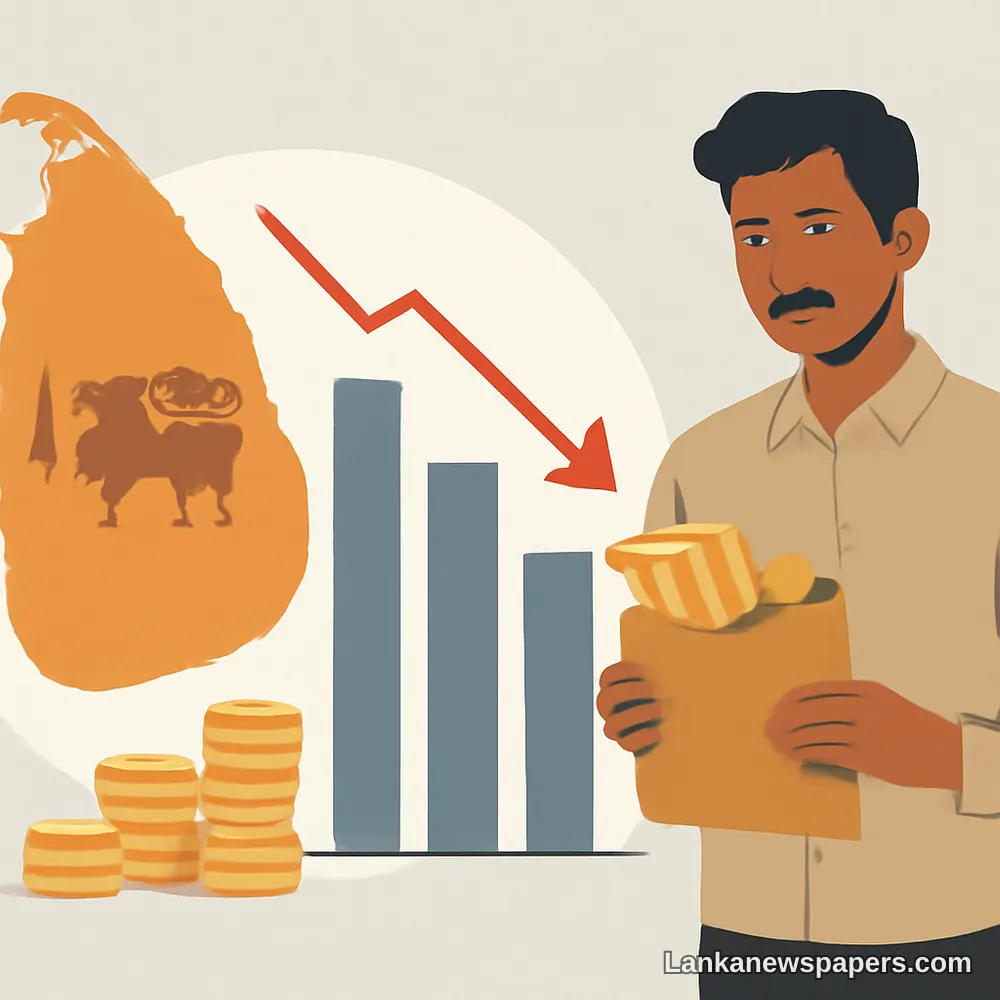
Worker remittances flowing into Sri Lanka fell to a seven-month low in June 2026, according to the latest available data, though the figure still represented a healthy 9.3 percent increase compared to the same month a year earlier.
Monthly Dip Against a Positive Annual Trend
While the month-on-month decline marks the weakest inflow recorded since late 2025, economists and analysts are likely to draw comfort from the broader annual trajectory. A near double-digit year-on-year gain signals that the overall remittance channel remains robust, continuing to serve as a vital source of foreign exchange for the island nation.
Remittances from Sri Lankan workers employed abroad have long been a cornerstone of the country's external finances, helping to stabilise the rupee and support household incomes across the country, particularly in rural communities where families depend heavily on money sent home by relatives working in the Middle East, Europe, and other regions.
Why Remittances Matter for Sri Lanka
For an economy that endured a severe foreign exchange crisis in recent years, consistent inflows from the overseas worker community carry significant weight. These funds contribute directly to the country's balance of payments and help buffer the economy against external shocks.
- Remittances provide a steady stream of hard currency outside of export earnings and tourism receipts.
- They support domestic consumption and reduce poverty in remittance-dependent households.
- Strong year-on-year growth reflects continued confidence in formal banking and transfer channels.
Short-Term Softness, Long-Term Resilience
The June dip is not unusual in the context of seasonal fluctuations that can affect remittance flows at various points during the calendar year. Factors such as school fee cycles in destination countries, employment contract timelines, and global currency movements can all influence the timing and volume of transfers in any given month.
Despite the monthly softness, the 9.3 percent annual increase suggests that more Sri Lankans are either sending money home or sending larger amounts than they did a year ago — a positive indicator for household welfare and the broader economy.
Authorities and policymakers will be watching subsequent months closely to determine whether June's dip represents a temporary pause or the beginning of a more sustained slowdown in inflows.



💬 Join the Discussion 4
See what readers are saying — and add your view.
dip in one month means nothing, look at the full year picture ppl
my brother in Dubai says sending is harder now, fees too high
still 10% up from last year so not bad no? goverment wont say this loudly though
they never give credit where its due, typical