How Russia Uses a Sri Lanka Cargo Route to Smuggle Japanese Tech Into Its War Machine
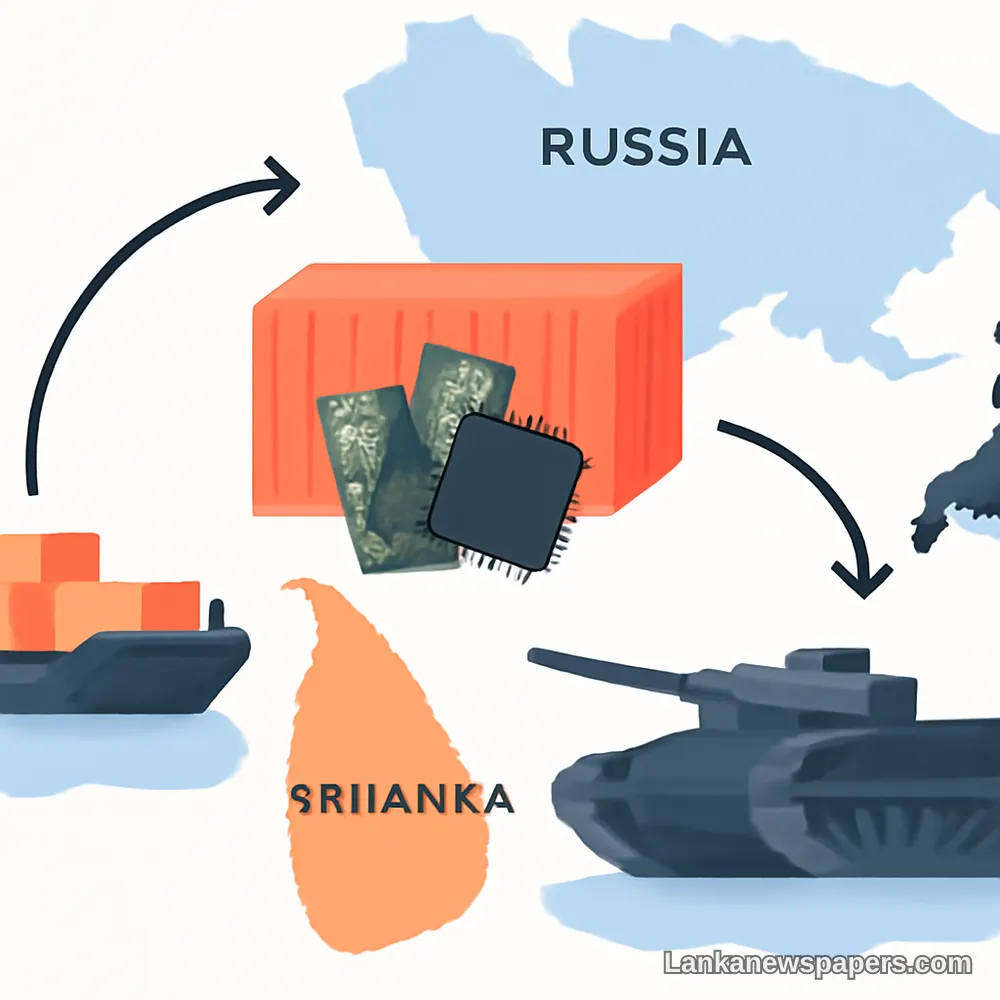
A detailed investigation published by The New York Times has lifted the lid on a covert Russian operation to smuggle Western and Japanese technology into its weapons systems — a scheme that reportedly involves a secret military intelligence unit, fake employment at Russian airline Aeroflot, and a cargo route passing through Sri Lanka.
A Shadow Network Built for Sanctions Evasion
According to the investigation, Russia's military intelligence agency — the GRU — has established a clandestine unit specifically tasked with acquiring controlled foreign technology that Moscow can no longer obtain through legitimate channels following sweeping international sanctions imposed after the invasion of Ukraine.
The operatives involved in the scheme are said to have been given cover employment with Aeroflot, Russia's state-owned national airline, providing them with legitimate-looking credentials and freedom of movement to conduct procurement activities abroad without raising immediate suspicion.
Sri Lanka Named as a Transit Point
The report identifies Sri Lanka as one of the transit points used in the supply chain, with cargo allegedly being routed through the island as part of a broader effort to obscure the origins and final destination of the smuggled components.
The revelation is likely to draw scrutiny toward Sri Lanka's role — whether witting or unwitting — in global sanctions-busting networks, at a time when the country is working to rehabilitate its international standing following its devastating 2022 economic crisis.
Sri Lankan authorities have not yet issued any official response to the claims made in the New York Times report.
Japanese Components Finding Their Way Into Russian Weapons
Japanese-manufactured technology, which is subject to strict export controls given Japan's alignment with Western allies on the Ukraine conflict, has reportedly been recovered from Russian weapons systems used on the battlefield in Ukraine. The GRU-linked procurement network is alleged to be one of the primary mechanisms through which such components are being sourced and transported to Russia despite the sanctions regime.
Japan has taken a notably firmer stance against Russia since the invasion compared to its historically cautious foreign policy posture, joining international export control coalitions and restricting trade in sensitive goods. The revelation that Russian intelligence has developed a dedicated pipeline to circumvent these restrictions underscores the scale of Moscow's determination to keep its military industrial base supplied.
Implications for the Region
The use of transit routes through countries in Asia and the Middle East to bypass Western sanctions has been a growing concern among policymakers in Europe and the United States. Nations that serve as transit hubs — even without direct complicity — risk secondary sanctions and diplomatic pressure from Western governments.
For Sri Lanka, which is currently navigating a fragile economic recovery and deepening engagement with international financial institutions, any formal association with Russian sanctions evasion could carry significant diplomatic consequences.
The New York Times investigation adds to a growing body of evidence suggesting that despite unprecedented sanctions pressure, Russia has managed to construct resilient alternative supply chains for the components it needs to sustain its war in Ukraine.

💬 Join the Discussion 0
Be the first to share your view on this story.