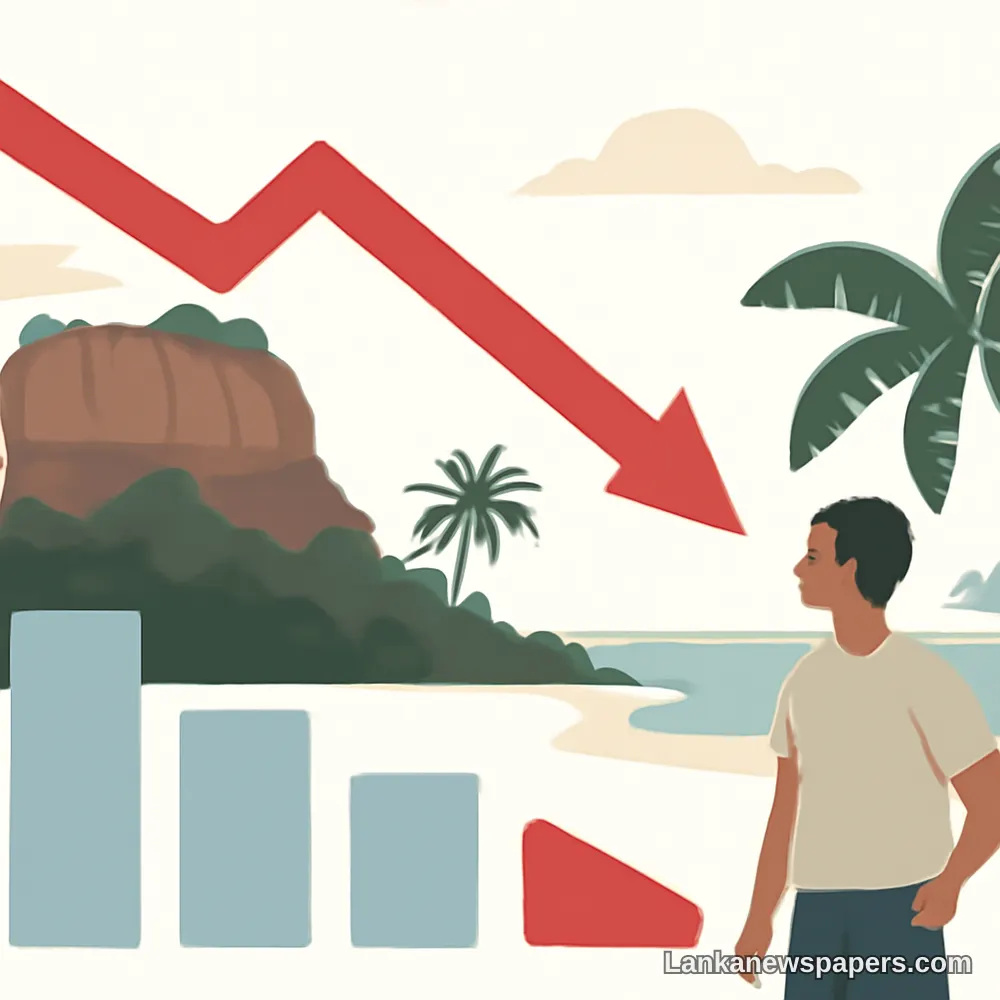
Sri Lanka's tourism sector has recorded a notable decline in foreign exchange earnings during the first half of the current year, with revenue dropping by 12% compared to the same period last year, raising fresh concerns about the pace of recovery in one of the island nation's most vital industries.
A Worrying Trend for a Key Economic Pillar
Tourism has long been considered a cornerstone of Sri Lanka's economy, serving as a critical source of foreign currency at a time when the country continues to navigate its way out of a historic economic crisis. The 12% fall in earnings during the first six months of the year therefore represents a significant setback for an industry that policymakers and business leaders had hoped would sustain its post-crisis momentum.
The decline underscores the fragile nature of the sector's recovery, which had shown promising signs in recent years following the devastating impact of the 2019 Easter Sunday attacks and the economic turmoil that gripped the country in 2022.
Implications for Sri Lanka's Broader Economy
Foreign exchange earnings from tourism play a crucial role in stabilising Sri Lanka's balance of payments and supporting the rupee. A sustained drop in revenue could place additional pressure on the country's external accounts, which remain under close scrutiny as part of ongoing debt restructuring efforts and International Monetary Fund programme commitments.
- Tourism is among Sri Lanka's top sources of foreign currency inflows
- The sector supports hundreds of thousands of jobs across hospitality, transport, and related industries
- Earnings from tourism directly influence the country's ability to manage import costs and debt obligations
Challenges Facing the Sector
Industry observers point to a combination of factors that may have contributed to the earnings decline, including global economic headwinds affecting outbound travel from key source markets, rising competition from regional destinations, and persistent cost-of-living pressures in major tourist-sending countries such as the United Kingdom, Germany, and India.
The drop in tourism earnings is a reminder that visitor numbers alone do not tell the full story — the quality and spending power of arrivals matters just as much as the quantity.
Authorities and tourism stakeholders are expected to review promotional strategies and product offerings in a bid to attract higher-spending visitors and reverse the downward trend in earnings before the year closes out.
With the peak tourist season approaching in the latter months of the year, industry leaders remain hopeful that targeted interventions and improved global sentiment could help claw back some of the lost ground in the second half.


💬 Join the Discussion 2
See what readers are saying — and add your view.
what did they expect after raising visa fees like that
exactly, tourists went to thailand instead no