Dengue Crisis Spirals Out of Control as Sri Lanka's Public Health System Buckles Under Pressure
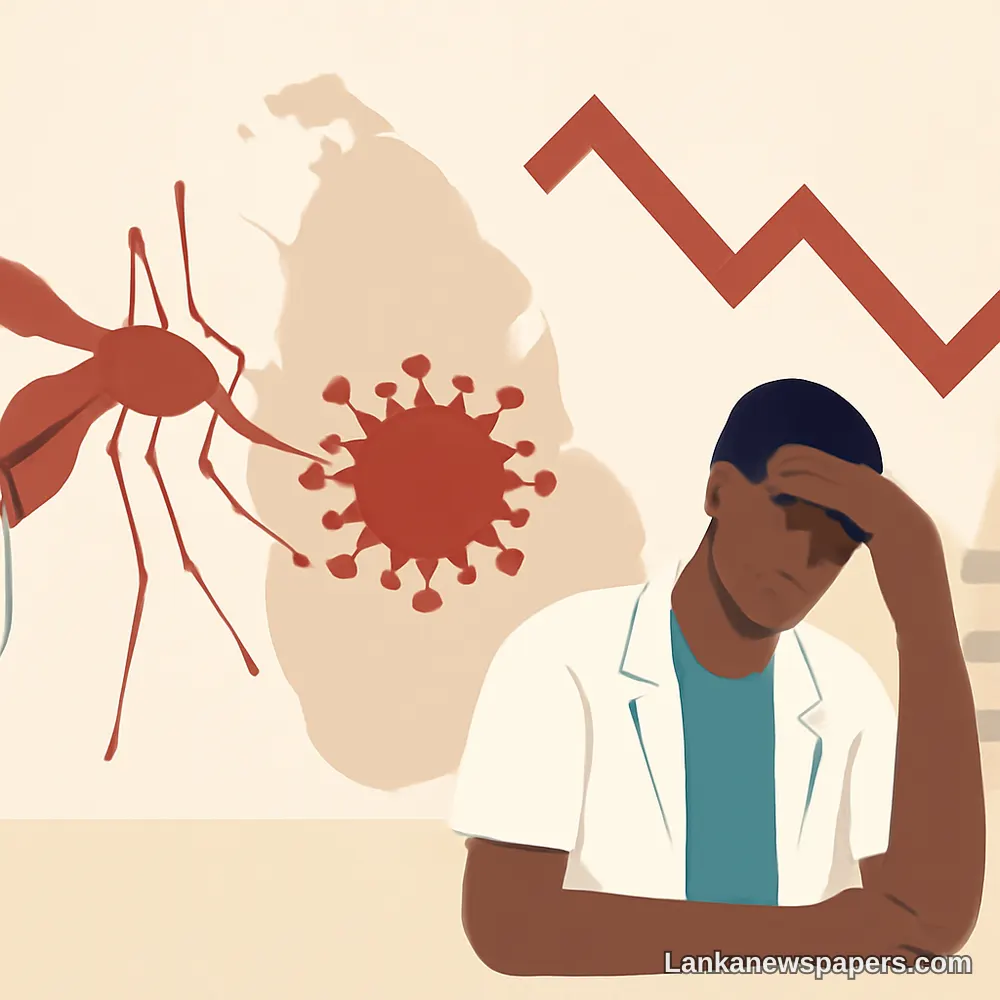
Tens of Thousands Infected Amid Growing Fears of a Full-Scale Epidemic
Sri Lanka is grappling with a rapidly escalating dengue outbreak that has infected tens of thousands of people across the island, raising serious alarm over the ability of the country's public health infrastructure to contain and manage the crisis.
Health authorities have recorded a sharp surge in dengue cases in recent months, with hospitals in multiple provinces reporting overwhelming numbers of patients presenting with the mosquito-borne illness. The situation has placed immense strain on already stretched medical facilities, exposing deep structural weaknesses within the national healthcare system.
Hospitals Overwhelmed, Resources Dangerously Thin
Medical staff at state hospitals have described scenes of acute pressure, with wards operating beyond capacity and shortages of essential supplies hampering effective treatment. Doctors and nurses working on the frontlines warn that the situation is deteriorating faster than institutions can respond.
The outbreak has hit both urban and rural communities, though densely populated areas with inadequate drainage and sanitation infrastructure appear to be bearing the heaviest burden. Stagnant water — a primary breeding ground for the Aedes aegypti mosquito responsible for transmitting dengue — remains a persistent problem in many parts of the country.
A System in Crisis
Critics argue that the scale of the outbreak is not merely a public health emergency but a direct consequence of years of chronic underfunding, mismanagement, and neglect of Sri Lanka's healthcare system. The economic crisis that gripped the country in recent years severely curtailed government spending on health services, leaving hospitals ill-equipped to handle large-scale disease outbreaks.
- Shortages of dengue testing kits and IV fluids have been reported at several government hospitals.
- Medical staff numbers remain insufficient relative to patient loads.
- Preventive vector control programmes have suffered from reduced funding and manpower.
- Community awareness campaigns have been inconsistent and limited in reach.
Authorities Under Pressure to Act
Public health officials have urged communities to take immediate preventive measures, including eliminating standing water around homes, using mosquito repellent, and seeking medical attention promptly upon developing fever or other dengue symptoms. However, many citizens and civil society groups argue that placing the burden on individuals is insufficient without robust state-led intervention.
Dengue is a preventable disease, yet we see thousands suffering because the systems that should protect people have been hollowed out over many years. This is a failure of policy as much as it is a health emergency.
Calls are growing from medical professionals and opposition politicians for an emergency government response, including the immediate allocation of additional resources to affected hospitals, the scaling up of mosquito control operations, and a coordinated national awareness drive.
A Wake-Up Call for Sri Lanka
Dengue is not a new threat to Sri Lanka — the island has experienced cyclical outbreaks for decades — but health experts warn that the current epidemic is among the more severe in recent memory, and that without urgent systemic reforms, the country will remain dangerously vulnerable to future outbreaks of this and other infectious diseases.
As the death toll and infection numbers continue to rise, the crisis serves as a stark reminder of the human cost when public health systems are left to deteriorate. Sri Lankans, already battered by economic hardship, are now fighting a disease that, with adequate resources and political will, should be far more manageable than the current situation suggests.



💬 Join the Discussion 0
Be the first to share your view on this story.