Sri Lanka Earns Unwanted Third Place as One of World's Most Traffic-Congested Nations
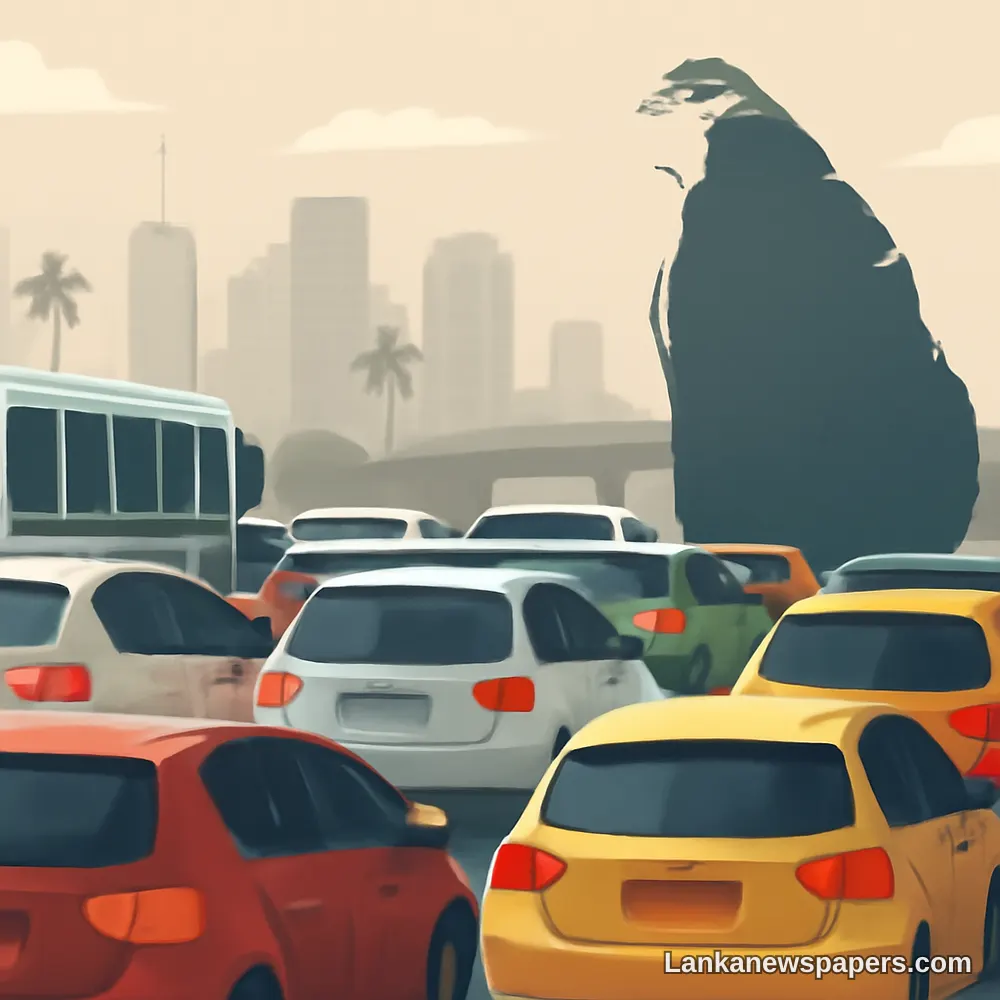
Island Nation Joins Top Three in Global Congestion Rankings
Sri Lanka has been ranked as the third most traffic-congested country in the world, a sobering distinction that highlights the growing strain on the island nation's road infrastructure and urban transport systems.
The ranking places Sri Lanka among the worst-affected nations globally when it comes to traffic congestion, a challenge that has long frustrated commuters, businesses, and city planners alike. The designation underscores deep-rooted issues surrounding road capacity, vehicle population growth, and the lack of adequate public transportation alternatives.
A Daily Struggle for Commuters
For millions of Sri Lankans, particularly those living and working in and around Colombo, heavy traffic congestion is an inescapable part of daily life. Peak-hour gridlock regularly brings major arterial roads to a standstill, costing commuters valuable time and contributing to increased fuel consumption and vehicle emissions.
The economic consequences of severe congestion are significant, with productivity losses, delayed goods transportation, and rising operational costs for businesses among the key impacts felt across the country.
Pressure Mounts on Authorities to Act
The latest ranking is expected to intensify calls for urgent government intervention to address the country's transport crisis. Experts and civil society groups have repeatedly urged authorities to invest in modernising public transport networks, improve road infrastructure, and introduce smarter traffic management solutions.
- Expansion and modernisation of the public bus and rail network
- Introduction of congestion pricing or traffic demand management measures
- Improved urban planning to reduce vehicle dependency
- Greater investment in pedestrian and cycling infrastructure
Sri Lanka's vehicle population has grown steadily over the years, placing increasing pressure on a road network that has struggled to keep pace with demand. Colombo, as the commercial capital, bears the brunt of this pressure, with surrounding suburban areas also experiencing worsening conditions.
A Wake-Up Call for Long-Term Planning
Transport analysts stress that addressing congestion requires more than short-term fixes. A comprehensive, long-term national transport strategy — one that prioritises sustainable mobility and reduces reliance on private vehicles — is seen as essential if Sri Lanka is to reverse its position in global congestion rankings.
As the country continues its broader economic recovery, resolving the traffic congestion crisis will be a critical factor in improving quality of life for citizens and ensuring that Sri Lanka remains competitive as a destination for investment and commerce.

💬 Join the Discussion 4
See what readers are saying — and add your view.
what are they doing about it though? just ranking us and moving on?
honestly not surprised. Colombo alone can take 2 hours for 5km.
third place means we beat almost every country. goverment must be so proud.
haha exactly, another world record for us no?